
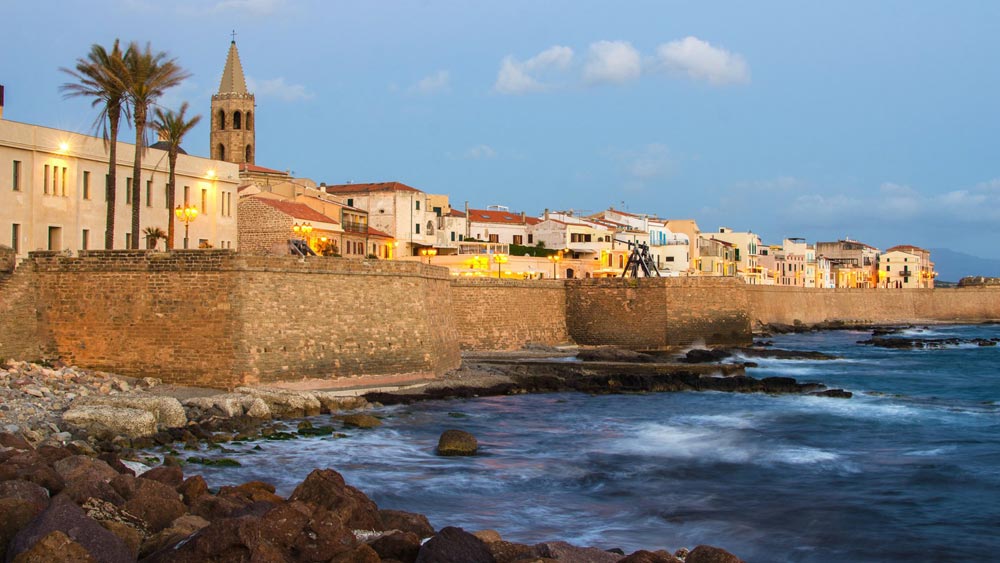
Alghero Catalan Town Iberian Soul Meets Sardinian Sea
The morning sun warms the terracotta rooftops of Alghero’s old town, casting long shadows across cobbled streets where the scent of fresh coques (Catalan pastries) mingles with the salty breeze from the Mediterranean. You hear the soft echo of footsteps on ancient basalt stones, the distant chime of bells from the Cathedral of St. Mary the Immaculate, and the murmur of locals conversing in Alguerès—a unique dialect of Catalan spoken here since the 14th century. This is the heart of Sardinia’s northwest coast, a fortified port city that has preserved its Iberian identity for over 600 years. Enclosed by 16th-century Spanish walls and overlooking a harbor dotted with fishing boats, Alghero is a living museum of cross-cultural resilience. In an age of homogenized travel experiences, Alghero matters now more than ever—it is a place where language, cuisine, and architecture tell a story of survival, adaptation, and enduring pride.
Why Alghero Catalan Town Embodies Cultural Resilience
Alghero’s uniqueness stems from a dramatic historical pivot: in 1354, the Catalan-Aragonese fleet, led by Admiral Pere de Montcada, conquered the Sardinian town and expelled most of its native population, replacing them with Catalan settlers [[50]]. This act of cultural transplantation “solved” a strategic problem for the Crown of Aragon: it secured a vital naval stronghold in the western Mediterranean. Over the centuries, Alghero became known as Barceloneta (“Little Barcelona”), its identity reinforced by successive waves of Catalan immigration and strict linguistic policies. The town’s architecture reflects this heritage—the honey-colored limestone buildings, wrought-iron balconies, and Gothic-Catalan churches like the Cathedral of St. Mary stand in stark contrast to traditional Sardinian styles. Even today, over 20% of the population speaks Alguerès, and street signs are bilingual. This cultural tenacity fulfills a modern need—for authenticity in a globalized world. Alghero isn’t a theme park of Catalan culture; it is a living, breathing community where Iberian traditions are woven into the fabric of daily Sardinian life.
The Best Time to Experience Alghero Catalan Town
To experience Alghero in its most vibrant and comfortable state, plan your visit for the specific windows of May 15–June 20 or <September 10–October 5, 2026. During these periods, the weather is ideal, with daytime temperatures ranging from a pleasant 22–27°C (72–81°F), and the intense summer crowds have yet to arrive or have already departed [[11]]. The best time of day to explore the old town is in the early morning, between 8:00 AM and 10:30 AM, when the light is soft, the streets are quiet, and you can witness bakers pulling fresh coques from their ovens. It is essential to avoid the peak summer period of July 20–August 25, when temperatures can soar above 32°C (90°F) and the narrow streets feel claustrophobic with crowds [[69]]. For the most current information on local festivals like the Festa de Sant Joan (June 23–24), and guided tours,
Approximate Budget for a 7-Day Trip (2026)
This budget is calculated for a solo traveler seeking a comfortable, culturally rich experience in northwestern Sardinia in 2026, based on current inflation trends and average regional costs.
- Accommodation: €90–€160 per night. Staying in a boutique hotel within the historic walls offers an immersive experience. Options near Lido San Giovanni are more affordable but require a short walk to the center.
- Food: €50 per day. Breakfast (€6): a cappuccino and coques de patates (potato pastry) at Pastisseria Sanna. Lunch (€18): a plate of seafood fregola at a trattoria near the harbor. Dinner (€26): a main course like lobster alla catalana with a glass of local Vermentino wine.
- Transportation: €150 total. A rental car for the week is essential for exploring the Riviera del Corallo (€45/day). Occasional taxi rides from Fertilia Airport (€20).
- Attractions: Entry to the Coral Museum (€5). Guided walking tour of the Catalan Quarter (€20). Visit to Neptune’s Grotto (€13 including boat transfer).
- Miscellaneous: €110. This covers a piece of red coral jewelry (€40), several gelato stops (€4 each), a cooking class featuring Catalan-Sardinian recipes (€45), and souvenirs like a bottle of myrtle liqueur.
Total Estimated Cost: €990–€1,110
6 Essential Alghero Catalan Town Experiences
- Stroll the Catalan Quarter at Dawn: Wander the cobbled carrers (streets) like Via Roma and Via Cagliari before the crowds arrive. Admire the Gothic-Catalan architecture and listen for the melodic sounds of Alguerès drifting from open windows.
- Taste Catalan Pastries at Pastisseria Sanna: This historic bakery has been serving coques since 1947. Try the coques de patates (sweet potato tart) or ensaïmada (spiral pastry)—a direct link to the town’s Iberian roots.
- Walk the Spanish Walls: Climb the 16th-century ramparts for panoramic views of the red rooftops, the turquoise sea, and the distant Capo Caccia cliffs. The sunset from Bastioni Marco Polo is unforgettable.
- Visit Neptune’s Grotto: Take a boat or elevator down to this spectacular sea cave, where stalactites glisten under theatrical lighting. The acoustics make it a favorite venue for classical concerts.
- Dine on Lobster alla Catalana: Reserve a table at a restaurant like Ristorante El Canto for this signature dish—lobster cooked in a rich tomato and brandy sauce, a perfect fusion of Catalan and Sardinian flavors.
- Explore the Coral Museum: Learn about Alghero’s “red gold”—the precious coral harvested from the seabed since the 15th century. The museum showcases exquisite jewelry and explains the sustainable practices used today.
3 Hidden Gems Most Travelers Miss
- The Church of San Francesco: Tucked away near Porta Terra, this 14th-century church features a stunning cloister with Catalan-Gothic arches. It’s often overlooked for the cathedral but offers a more intimate glimpse into the town’s spiritual history.
- The View from Torre dell’Esperò Reial: This restored 16th-century watchtower on the western ramparts offers a panoramic vista of the entire bay. It’s a quiet spot for reflection, far from the main tourist paths.
- The Secret Garden of Palazzo d’Albis: Behind the historic palace, a small public garden features rare Mediterranean plants and a peaceful fountain. It’s a favorite spot for locals but rarely visited by tourists.
Cultural & Practical Tips
- Learn a few Catalan phrases: “Bon dia” (BON DEE-ah) for “Good morning,” and “Gràcies” (GRAH-syes) for “Thank you.” Locals appreciate the effort to honor their unique heritage.
- Respect the siesta: Many small shops and cafes close between 1:00 PM and 4:00 PM. Plan your hikes or visits to viewpoints during these hours.
- Wear comfortable walking shoes: The streets are steep, cobbled, and uneven. Good footwear is essential for exploring the town safely.
- Beware of the midday sun in summer: The white stone reflects intense heat. Wear a hat, sunglasses, and high-SPF sunscreen, especially between 11:00 AM and 3:00 PM.
- Buy coral responsibly: Ensure any coral jewelry you purchase is certified as sustainably harvested. Look for the “Corallium Rubrum” label from local artisans.
- Tipping is appreciated but not expected: Rounding up the bill or leaving €1–€2 for exceptional service is a kind gesture.
Conclusion: Travel with Heart, Not Just a Checklist
Alghero is not a destination to be ticked off a list; it is a cultural conversation to be engaged in. In 2026, as we seek travel experiences that are both authentic and meaningful, this Catalan enclave offers a powerful lesson in resilience and identity. Your journey here should be one of heart—not just tasting the pastries, but listening to the language, respecting the traditions, and connecting with the people who have guarded their heritage for centuries. By traveling with this open-hearted engagement, you honor the spirit of Alghero and help ensure its unique culture endures. Slow down. Sit at a café and watch the world go by in two languages. In that moment of genuine connection, you don’t just visit Alghero—you become part of its enduring, bilingual story.