
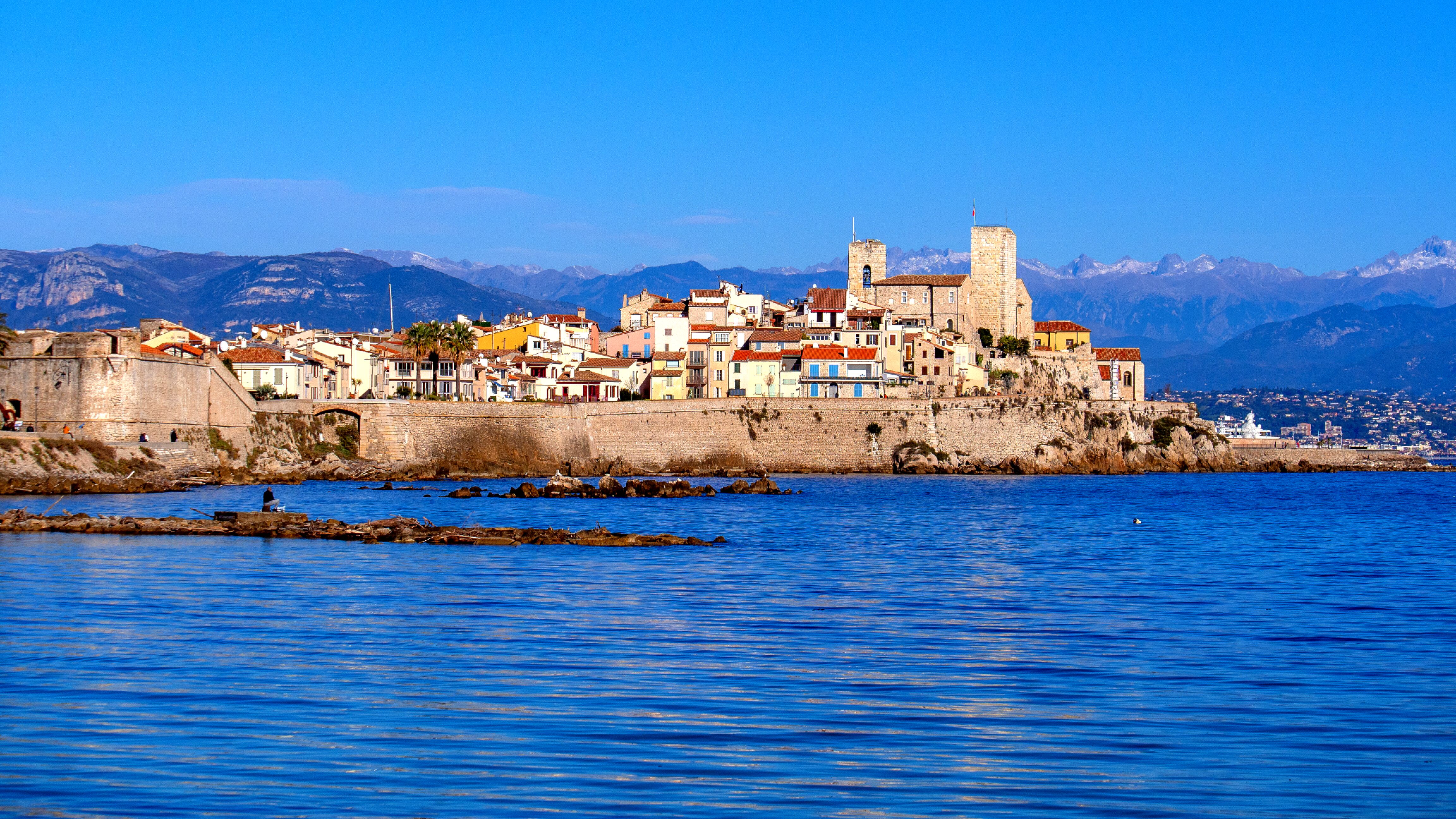
Antibes Old Town : Provençal Soul Meets Mediterranean Light
Before the first fishing boats return at dawn, Antibes old town breathes with quiet authenticity. Mist rises from the Mediterranean, softening the edges of 16th-century ramparts where bougainvillea spills over sun-bleached stone. The scent of baking pissaladière drifts from a bakery hidden beneath ochre façades, mingling with salt air and the faint chime of rigging against masts in the Vieux Port. This is not the Riviera of superyachts and champagne sprays, but something more enduring: a working port where Picasso sketched in the shadow of ramparts, where fishermen still mend nets on quays unchanged since Roman times, and where every cobblestone bears witness to centuries of maritime life. In 2026, Antibes old town remains the Côte d'Azur's most authentically layered destination—not because it hides from modernity, but because it absorbs it without losing its soul.
Why Antibes Old Town Offers the Riviera's Most Authentic Harbor
Antibes old town represents more than scenic charm—it embodies the French Riviera's rare continuity between ancient port and contemporary life. Unlike Cannes' festival glamour or Nice's urban scale, this walled peninsula evolved organically as a strategic Ligurian settlement fortified by Greeks, Romans, and Grimaldi princes. Its power lies in layered authenticity: the 16th-century ramparts built by the Duke of Savoy still define the town's perimeter; the daily fish auction occurs at 7:00 AM at Quai de l'Amiral Infernet where boats unload sea bream directly to waterfront restaurants; and Picasso's former studio at Château Grimaldi now houses a museum displaying works he painted while living here in 1946. Crucially, over 60% of residents live within the walls year-round—shopkeepers, fishermen, and artisans who maintain ancestral trades. This continuity creates rare depth: where every arched passageway whispers of Roman roads, every shaded square hosts pétanque games unchanged for generations, and beauty exists not for consumption but as daily reality.
The Best Time to Experience Antibes Old Town
For optimal conditions—golden light on ramparts, manageable crowds, and authentic local rhythm—visit between May 10 and June 5 or September 12–28. These windows deliver daytime temperatures of 19–25°C (66–77°F), creating ideal conditions for exploring narrow streets without summer's intensity. Mornings between 7:30–9:00 AM offer the most magical light: low-angle sun transforms the Vieux Port's waters from silver to sapphire while illuminating pastel façades without harsh glare—a critical window before day-trippers arrive from Nice. September provides a second excellent opportunity: warm seas (22°C), departing crowds, and autumn light that intensifies the ochre tones in weathered plaster. Avoid July 15–August 20 when temperatures exceed 30°C (86°F), ramparts become uncomfortably hot to touch, and many family-run restaurants close for staff vacations. Note that winter months (November–February) offer stark beauty and complete solitude, though some waterfront establishments reduce hours and the mistral wind can create choppy seas.
Approximate Budget for a 7-Day Trip (2026)
Based on 2025 benchmarks adjusted for 4% inflation (per INSEE and Côte d'Azur Tourism Board projections), here's a realistic mid-range budget for a Riviera-focused itinerary:
- Accommodation: €110–€160 per night for a family-run guesthouse within the ramparts or a boutique hotel in the Port Vauban district—essential for experiencing old town atmosphere after day-trippers depart.
- Food: €90–€110 per day—breakfast at a café (€7), lunch of socca and salade Niçoise at Place de Gaulle (€22–€28), dinner featuring locally caught fish with Bellet wine (€50–€65).
- Transportation: €32 for a 7-day Zou! Pass (covers regional buses). Train from Nice Ville to Antibes: €2.20 one-way (12 minutes). Walking is optimal for old town exploration.
- Attractions: Picasso Museum entry: €12. Ramparts walk: free. Marché Provençal market visit: free. Boat tour of Port Vauban: €18. Allocate €95 total.
- Miscellaneous: €55 for artisanal olive oil from Moulin de la Tour, locally produced anchoïade, or handmade santons from Rue Thuret market.
Total Estimated Cost: €1,150–€1,650 for seven days, excluding international flights.
5 Essential Antibes Old Town Experiences
- Vieux Port Dawn Ritual: Arrive at Quai de l'Amiral Infernet by 7:00 AM to witness the fish auction—watch local chefs select that day's catch while gulls wheel overhead against pastel façades.
- Ramparts Walk: The 2.5-kilometer circuit atop 16th-century walls offers panoramic views of the Mediterranean, Alps, and Port Vauban's superyachts—best experienced between 8:00–9:30 AM when light illuminates defensive architecture without crowds.
- Picasso Museum (Château Grimaldi): Housed in a 14th-century fortress where Picasso lived and worked—view his ceramics and paintings created during his Antibes residency, best seen between 10:00–11:30 AM when northern light illuminates galleries.
- Marché Provençal: The covered market on Cours Masséna bursting with regional produce—visit Tuesday/Saturday mornings before 10:00 AM for the freshest selection and authentic interaction with local vendors.
- Rue de la République: The old town's main artery where 18th-century façades house artisan workshops—observe lace-makers, sail-makers, and perfume blenders practicing ancestral crafts in vaulted cellars.
3 Hidden Gems Most Travelers Miss
- Cour du Pré de la Chapelle: Behind No. 23 Rue Thuret, an unmarked archway leads to a hidden courtyard with a 15th-century fountain and views into private gardens where bougainvillea spills over ancient stone—locals call it "la cour des artistes."
- Chapelle de la Garoupe Secret Terrace: A 20-minute coastal walk east of the old town reveals this hilltop chapel with a secluded terrace offering panoramic views rarely photographed—best at 5:30 PM when light gilds the entire bay.
- Atelier du Filet: A working net-mending workshop hidden in a vaulted cellar at 8 Rue de la République—observe artisans repairing fishing nets using techniques unchanged since the 1930s (open Monday/Thursday mornings).
Cultural & Practical Tips
- Respect Residential Spaces: Over 70% of buildings within ramparts remain private homes. Never block narrow passages with luggage—many streets are less than one meter wide and serve as essential thoroughfares.
- Market Etiquette: At Marché Provençal, greet vendors with "Bonjour" before browsing. Never touch produce—vendors select items for you as a sign of quality assurance.
- Learn Key Phrases: "Bonjour," "Merci," and "Une anchoïade et un rosé, s'il vous plaît" show respect in this proudly Provençal community where French is preferred over English.
- Photography Protocol: Never use tripods on narrow streets—they obstruct passage. Best architectural shots captured between 8:00–9:30 AM when eastern light illuminates stone textures without crowds.
- Support Authentic Commerce: Purchase produce directly from Marché Provençal vendors wearing blue aprons (indicating local producers) rather than souvenir shops selling imported goods.
Conclusion: Travel with Port Consciousness, Not Just a Lens
Antibes old town endures not as attraction to be consumed, but as living ecosystem where maritime tradition shapes daily rhythm. As a conscious traveler, your presence should honor this continuity: dine at family-run guérites where fishermen deliver catch directly to kitchens, support artisans preserving ancestral crafts, and understand that your footsteps tread ground where generations have measured time by tides rather than trends. Sit quietly on the ramparts at dusk and watch light fade across the Mediterranean—the same light that illuminated Roman traders and inspired Picasso's brushstrokes. By approaching Antibes not as backdrop for social media, but as sanctuary demanding quiet respect, you help ensure these ramparts continue to shelter not just history, but humanity—for those who recognize that true Riviera soul resides not in glamour, but in the daily grace of a working port where beauty remains incidental to life.