Bari: Where Crossroads Meets Coast
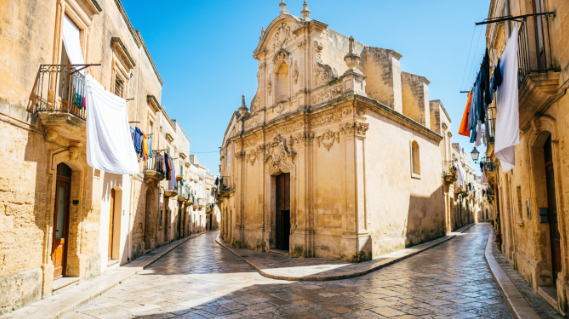
I stand at the edge of the old town at 8:00 on a June morning. Sunlight slants down narrow lanes between whitewashed walls. An espresso costs one euro ten at a tiny counter tucked beside an archway. I look outward — the historic quarter tumbles toward the Adriatic, ancient churches rise above terracotta rooftops, women hang pasta to dry in doorways, and the Lungomare promenade stretches wide and bright beside the water. Bari sits at the crossroads of east and west, a gateway between Italy and the Balkan coast. People pass through for ferries. They find a city that has welcomed visitors for millennia — busy, genuine, and deeply layered.
Why Bari Matters
This port has linked civilizations since ancient times. Greeks, Romans, Byzantines, Normans, and later powers all left their mark. The Basilica di San Nicola, built to house the saint’s relics, drew pilgrims from across Europe. The Cathedral of San Sabino stands nearby — Romanesque stone solid and enduring. As capital of Puglia, Bari grew into a working port city — never a resort, always a place of trade, travel, and connection. That vitality brings real pressure. The narrow old town fills fast in summer. Some lanes show wear. Restoration moves slowly. The city balances daily life with growing attention — and that balance is delicate.
The Best Time to Experience Bari
Late April through June brings blooming jasmine, fresh breeze, and thin crowds. Temperatures sit between 13°C and 25°C (55°F–77°F). Walking the lanes and seafront feels comfortable and light. July and August warm to 22°C and 33°C (72°F–91°F). Stone absorbs heat and the old town holds it late. September offers golden light and softer days — 18°C to 28°C (64°F–82°F). The air stays clear and visitors thin out. Early October remains mild — 15°C to 23°C (59°F–73°F) — but evenings cool fast. Winter holds quiet, crisp days: 8°C to 15°C (46°F–59°F). Many shoreline businesses reduce hours. Arrive before 9:00 AM any time of year — that is when Bari feels most itself.
Approximate Budget for a 7-Day Trip
Prices below are per person, in euros, based on staying in or near the city centre.
- Accommodation: 7 nights in a guesthouse or apartment — €60–130 per night. Total: €420–910. Staying just outside the historic centre costs 25–35% less; walking in takes 10–15 minutes longer.
- Food & Drink: Breakfast, two meals daily — €25–48 daily. Total: €175–336. Restaurants right on the busiest squares charge premium prices; walk one lane back for fresh orecchiette, grilled vegetables, and local white wine at fair rates.
- Transport & Tickets: City bus or metro — €1.50 per ride; basilica and cathedral — free or small donation; train to nearby towns — €3–12. Driving inside the old quarter is restricted — walk or use public transport.
- Activities: Seafront walk, nearby Polignano a Mare, Castel del Monte — €25–55.
- Miscellaneous: Water, hat, comfortable shoes — €12–22.
Total estimated 7-day cost: €632–1,323
Guided "secret Bari" walking tours are often overpriced. Every lane, church, and viewpoint is open to everyone. Wandering slowly without a schedule shows you far more than keeping up with a group.
Essential Bari Experiences
- Old Town Morning Walk — Wander the narrow lanes before crowds build. Arched passageways, sunlit doorways, and small courtyards open unexpectedly. Women roll pasta, call out to neighbours, and go about their day. It feels lived-in, not staged — genuine Bari. Skip if you rush; these streets reward lingering, not hurrying.
- Basilica di San Nicola — Stand before the great Romanesque church. Solid stone, rounded arches, and a quiet courtyard. It has drawn pilgrims for nearly a thousand years — calm, enduring, and deeply revered.
- Cathedral of San Sabino — Visit the smaller, lighter cathedral nearby. Clean lines, pale stone, and a peaceful crypt. It feels quieter than the basilica — perfect for sitting and absorbing the stillness.
- Lungomare Promenade — Walk the wide seafront at sunset. The Adriatic glows gold, ferries drift toward the horizon, and locals stroll, chat, and pause. It is the city’s living room — open to everyone.
- Orecchiette on the Street — Eat fresh pasta made right beside your table. Small ear-shaped pasta tossed with turnip greens or tomato sauce. Simple, bright, and unmistakably local — nothing else tastes quite like it.
- Mercato del Pesce Visit — Step into the early-morning fish market. Fresh catch, loud voices, and the smell of the sea. It is raw, lively, and real — the port’s heartbeat laid bare.
Hidden Gems Most Travelers Miss
- The lane running along the old seawall stays quiet all morning. Wide views stretch across the water and back toward the port. Very few visitors walk this way — just locals heading to work.
- Piazza del Ferrarese, just off the main drag, has cafés and quiet conversation. It feels less crowded than the central squares — a good place to sit and watch the city go by.
- The small church of Santa Maria degli Angeli sits tucked down a side lane. Simple, peaceful, and almost empty. It offers a quiet pause amid the bustle.
- The "Bari Exclusive Private Tour & Hidden Chapel Access" is overpriced. Every significant place is open to standard entry or entirely free. Walk slowly, look closely, and step inside — that is how you truly see it.
Cultural & Practical Tips
- Arrive before 9:00 AM. The best light, quietest lanes, and genuine atmosphere happen early. After 10:30 AM the dynamic shifts noticeably.
- Wear comfortable walking shoes. Cobblestones are uneven and worn smooth in places. You will walk 5–8 kilometres a day — sturdy soles matter.
- Respect sacred spaces. Many churches are active places of worship. Keep voices low and dress modestly — shoulders and knees covered earns you welcome everywhere.
- Watch your belongings. Crowded lanes and port areas attract pickpockets. Keep bags closed and valuables inside — not in outer pockets.
- Do not block doorways. People live and work here. Step aside after pausing — leave space for daily life to pass.
- Book accommodation 2–3 months ahead in July and August. Bari is compact and rooms sell out fast.
- Eat where locals eat. Simple places with short menus and low prices serve the best food. Fancy signs do not mean better flavour.
Essential Visitor Information
Location & Access: Bari, capital of Puglia, Italy. Coordinates roughly 41.13° N, 16.87° E. Three ways to arrive: walk from central station — 15 mins; bus or metro — 5 mins; ferry from Croatia/Greece — 4–8 hours.
Tickets & Booking: Streets free. Basilica and cathedral — free or €2–3 donation; museums €4–10. No booking needed for individuals; reserve accommodation ahead.
Operating Hours: City always accessible. Churches roughly 9:00 AM to 12:30 PM and 4:30 PM to 7:00 PM; some close one day weekly.
Visit Duration: Minimum 2 full days. Recommended 3–4 days to explore old town, seafront, and nearby towns without rushing.
Family Suitability: Good overall. Wide seafront promenade suits strollers — narrow lanes do not. Street food is affordable and appealing to all ages.
Timing: Best seasons are late April–June and September. Best time of day is before 9:00 AM or late afternoon.
Highlights: Old town at dawn, Basilica di San Nicola, cathedral crypt, sunset seafront, fresh orecchiette, morning fish market.
Nearby & Day Trip: Polignano a Mare — 30 mins by train. Castel del Monte — 1 hour. Alberobello — 1 hour 15 mins. Matera — 1 hour 30 mins.
Conclusion: Travel as Guest, Not Just Passenger
Bari gives you energy that has linked continents for millennia. You can catch a ferry and leave. Or you can walk slowly, eat simply, speak softly, and remember — this is not just a transit point. It is a living city where families work, pray, and raise children. Honouring that daily life is the finest compliment you can pay. What is the one crossroads city you would visit promising to treat it like someone’s home?
Comments
Post a Comment