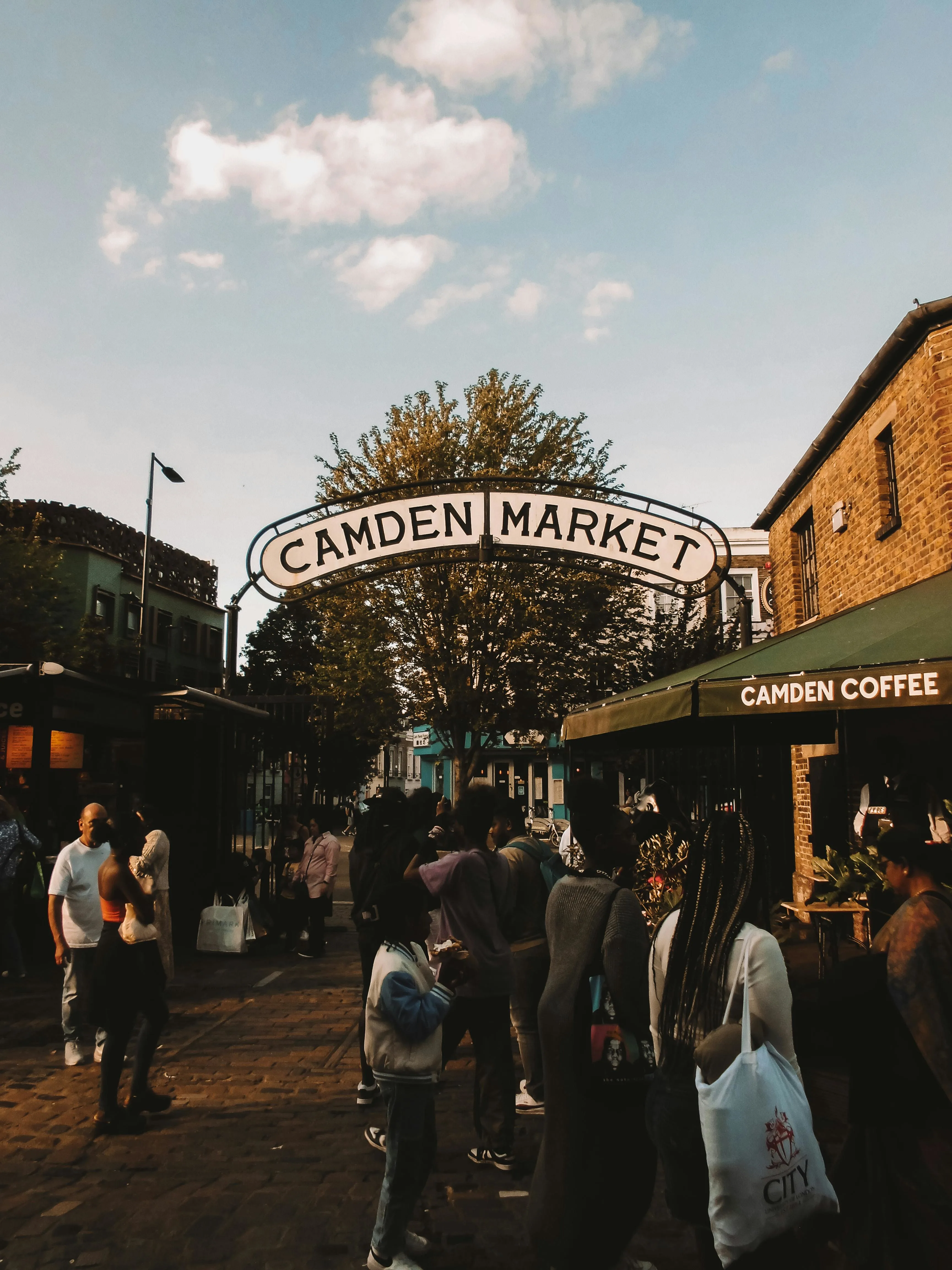
Camden Market: Where Industrial Canals Meet Creative Energy
I step through the Iron Gate entrance at 10:00 on a sunny Sunday in late September. The canal glides slow and grey beside the walkway. Entry costs nothing at all. Scented candles, vintage jackets, and street food smoke fill the air. This was once a goods yard beside the Regent’s Canal—warehouses, stables, timber yards built to serve barges and railways. Today it hums with music, conversation, and constant movement. The old brick walls still stand, but they hold something entirely new.
Why Camden Market Matters
The Regent’s Canal opened in 1820, and Camden grew as a busy industrial transport hub. By the 1970s the warehouses stood empty and derelict. Small traders moved in—antiques sellers, clothing makers, food vendors—renting cheap space in abandoned stables and vaults. What began as a weekend market has grown into one of London’s most visited destinations, drawing millions each year. It remains a place where independent creators sell directly to visitors. That said, popularity brings pressure. The narrow central passages clog with people. Prices rise fast. Chain brands have replaced some original stalls. On weekends it can feel less like a local market and more like a crowded tourist mall.
The Best Time to Experience Camden Market
Late April through June brings longer days and mild weather—10°C (50°F) to 18°C (64°F). Canal-side seating feels bright and fresh. July and August reach 14°C (57°F) to 22°C (72°F), but crowds fill every lane and queues form at popular food stalls. September and early October offer the sweetest balance—12°C (54°F) to 19°C (66°F), thinner crowds, and soft golden light across the brickwork. November through February sees shorter days and quieter passages—5°C (41°F) to 9°C (48°F)—but some outdoor stalls close or reduce hours. Arrive before 10:30 a.m. to explore the main sections comfortably.
Approximate Budget for a 7-Day Trip
These figures cover one person visiting London:
- Accommodation: £525 – £875 for a room within easy reach. Stay one or two Underground stops away to save roughly one third.
- Food & Drink: £225 – £330. Market street food ranges from £6 to £12; sit-down meals cost far more.
- Local Transport: £35 – £65. Northern line to Camden Town; buses 24, 27, 31, 168 stop nearby; walking from Regent’s Park takes 25 minutes.
- Attractions & Entry Fees: £0 – £40. Market entry free; canal boat tours and nearby attractions cost extra.
- Miscellaneous: £50 – £110. Clothing, gifts, art, and small purchases.
Total estimated budget: £835 – £1,420
The food stalls right at the main entrance charge premium prices. Skip the ten-pound sandwich there. Walk five minutes deeper into the market; the same quality costs two or three pounds less.
Essential Camden Market Experiences
- Wander the Stables section. Former horse stables arranged in cobbled alleyways. Brick arches, wooden beams, and independent shops fill every stall. Skip this on Sunday afternoons; the lanes narrow and movement slows to a crawl.
- Walk the Regent’s Canal towpath. Towpath runs alongside the market past barges, locks, and tree-lined banks. You see the crowded spaces from a quieter angle. The route connects to Regent’s Park and beyond.
- Explore the Lock area. Camden Lock marks where the market meets the water. Barges converted to shops and cafés line the basin. It feels busy and bright—arrive early to find a spot to sit.
- Search the vintage clothing stalls. Racks of retro pieces, leather jackets, and one-of-a-kind finds fill covered halls. Prices vary; take time to compare and you may discover something special.
- Taste global street food. Stalls serve dishes from every continent—curries, tacos, dumplings, burgers. Lines move fast; follow the locals for reliable favourites.
- See the street art and music. Colourful murals cover walls; buskers and bands play throughout the day. The energy shifts constantly—one lane quiet, the next full of sound and movement.
Hidden Gems Most Travelers Miss
- The canal walk toward Regent’s Park leads past quiet moored barges and green space. Almost no visitors continue this far; it feels peaceful and entirely separate from the crowds.
- Camden Square lies five minutes away. Mature trees, quiet terraces, and local cafés. The contrast feels sharp and refreshing. It costs nothing to visit and stays calm all day.
- Lockside Passage runs above the main basin. It offers elevated views across the market and water. Most people stay at street level; the perspective changes everything.
- The main entrance food stalls draw constant crowds and feel overpriced. Walk toward the rear of the market; the same cuisines appear with shorter lines and fairer prices.
Cultural & Practical Tips
- Arrive early. The busiest period runs 13:00 to 17:00 Saturday and Sunday; you will move slowly during these hours.
- Keep valuables close. Pickpockets target crowded lanes; bags go in front or zipped tight.
- Wear comfortable shoes. Cobblestones, uneven brick, and constant walking cover the whole site.
- Respect quiet zones. Some lanes are residential; keep voices low and avoid blocking doorways.
- Compare prices before buying. Similar items appear at different stalls; taking two extra minutes can save you money.
- Check weekday hours. Sunday offers widest selection; Monday and Tuesday some stalls close entirely.
Essential Visitor Information
Location & Access: Camden Market, Camden High Street, London NW1 8AF. Northern line to Camden Town; Overground to Camden Road; multiple bus routes; limited parking—public transport strongly recommended.
Tickets & Booking: Market entry free year-round. Special events, workshops, and canal tours charge separately; no booking needed for general visiting.
Operating Hours: Generally 10:00 to 18:00 daily; individual stall and shop times vary; fewer vendors Mondays and Tuesdays; closed 25 December.
Visit Duration: Minimum three hours for a relaxed browse. Half a day lets you explore all sections, walk the canal, and sit for a meal without rushing.
Family Suitability: Very family-friendly. Street food options, colourful displays, and open space. Pushchairs work but movement slows on busy days; consider carrying younger children at peak times.
Timing: Before 11:00 offers calmest exploration. Late afternoon from 16:30 sees day-trippers leave and the market wind down gently.
Highlights: Stables, Camden Lock, Regent’s Canal towpath, vintage halls, and street food stalls.
Nearby & Day Trip: Regent’s Park and London Zoo are 25 minutes’ walk south. Primrose Hill viewpoint is 20 minutes north. Central London West End is 15 minutes by Underground.
Conclusion: Travel with Curiosity, Not Just Consumption
Camden Market was built on empty industrial land by people with little money but plenty of imagination. It grew from nothing to something known worldwide. That independent spirit remains, even as the place changes and grows. Look past the busiest lanes. Walk a little farther. What will you remember—the purchases you made, or the quiet truth that ordinary people built all this with their own hands?
Comments
Post a Comment