Spotify Camp Nou: Where Football History Meets Modern Passion
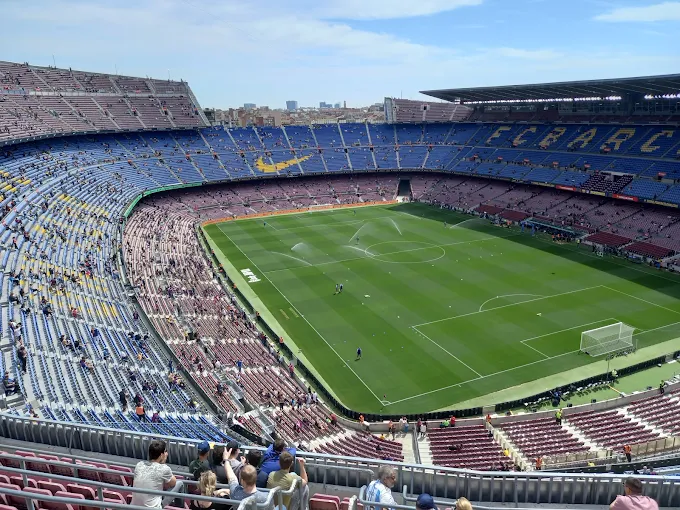
I stand near the players’ tunnel just after ten in the morning. The air feels cool and still. Sunlight falls across the grass in sharp, bright stripes. No crowds fill the seats yet. The quiet makes the size of the place feel even bigger. I can smell fresh-cut grass and faint traces of cleaning polish. It is easy to imagine the noise that rises here on match days—tens of thousands of voices moving as one. The seats stretch upward in steep banks, rows upon rows that seem to touch the sky. Everywhere you look, there is space built for people to gather, cheer, and sometimes grieve. This ground holds more than games. It holds the lives of millions who call this club theirs.
Why Spotify Camp Nou Matters
Built in the 1950s, this stadium grew alongside the city of Barcelona. It became more than a venue. It stood as a gathering place when public assembly was restricted. Fans found a voice here that reached far beyond sport. Players who became legends walked this pitch, and their stories are woven into every corridor and stand. The club’s identity ties closely to the region’s culture and language, and the stadium has long served as a visible expression of shared pride. That said, the building has struggled with age. Narrow concourses, outdated plumbing, and poor sightlines in certain sections frustrated visitors for years. The renovation work underway addresses many of these issues, but it also means some areas remain closed or under construction. Even with improvements, the sheer scale can feel overwhelming, and navigating crowds on event days remains a genuine challenge.
The Best Time to Experience Spotify Camp Nou
Visit between mid-March and mid-June, or from late September to early December. These periods offer mild weather and fewer crowds. Daytime temperatures typically sit between 17°C and 24°C (63°F–75°F). July and August bring heat above 30°C (86°F) and long lines. Winter months are cooler, around 10°C–15°C (50°F–59°F), and rain is more frequent. Tour runs start at 9:00 in the morning. Arrive right at opening. You will see the dressing rooms and pitch without waiting in long queues. On match days, the atmosphere is unmatched, but tickets sell out weeks in advance and access is limited to ticket holders only.
Approximate Budget for a 7-Day Trip
- Accommodation: €70–€150 per night; €490–€1,050 total. Stay slightly outside the city center to save.
- Food: €25–€45 per day; €175–€315 total. Local cafés offer good value.
- Transport: €14 per day; €98 total. Metro and buses cover nearly every destination.
- Attractions: €35–€49 for the Camp Nou tour; €60–€90 for other sites.
- Miscellaneous: €15–€30 per day; €105–€210 total.
Total estimated: €928–€1,713
Souvenir shops inside the stadium charge premium prices. A branded scarf can cost €10 more than at independent stores nearby. Buy your keepsakes from shops within walking distance of the metro stations. The quality is often the same and the price is fair.
Essential Spotify Camp Nou Experiences
- Walk along the touchline — Step onto the edge of the pitch and look up at the stands. The view gives you a real sense of how players see the stadium. Skip this if you have limited mobility; the path is uneven in places.
- Visit the home dressing room — Sit where the players prepare. Names and photos line the walls. It feels quiet and focused, even empty.
- See the trophy collection — Follow the timeline of major wins. The display shows how success has shifted across decades. Some sections feel cramped when busy.
- Stand in the press box — High above the field, this is where the match unfolds clearly. The glass can reflect glare in bright sunlight.
- Walk through the players’ tunnel — Hear the recorded crowd sound. It builds as you move forward. The effect is dramatic, though it can feel too staged for some.
- Stop at the memorial spaces — Read the messages left by fans. These areas honor people and moments that matter deeply to the community. Treat them with respect.
Hidden Gems Most Travelers Miss
- The small outdoor terrace on the third level. It offers a clear view across the city toward the mountains. Few visitors find it.
- Original blue-and-white mosaic tiles in older passageways. They date back to the stadium’s opening and have been kept intact.
- Quiet seating areas near the museum exit. Good for resting feet and reviewing photos without pushing through crowds.
- Avoid the “legendary player” exhibit. It is crowded, short on real context, and feels rushed. Spend your time elsewhere instead.
Cultural & Practical Tips
- Respect the quiet in the memorial areas. Keep voices low and phones on silent.
- Do not block walkways for photos. Concourses are narrow and delays build quickly.
- Wear comfortable walking shoes. You will cover several kilometers over the tour.
- Bring a water bottle. Drinking fountains are scarce and lines at concession stands get long.
- Check the schedule online before you go. Tours may close or change route on short notice.
- Do not try to enter with a large bag. Security screening is strict and bags over 40x30x15cm are turned away.
- Carry your ID or passport. Staff may ask to see it alongside your ticket.
Essential Visitor Information
Location & Access: Barcelona, Spain. The stadium sits in the Les Corts district. From city center, take Metro Line 5 to Badalona-Pompeu Fabra or Line 3 to Les Corts. Buses 15, 43, and 54 also stop nearby. Taxi from central Barcelona takes roughly 20 minutes and costs €18–€25.
Tickets & Booking: Stadium tour prices start at €35. Match tickets range widely. Booking in advance is recommended and often required. Walk-up availability is rare.
Operating Hours: Tours run 09:00 to 19:00 most days. On match days, hours change and some areas close. Seasonal adjustments apply in January and August.
Visit Duration: Minimum 2 hours. Allow 3 hours to move at a relaxed pace and read the displays.
Family Suitability: Children welcome. Stroller access is limited during renovation; check conditions in advance. Baby-changing facilities are available near the main entrance.
Timing: Best months: April, May, October. Best time of day: first tour at 09:00.
Highlights: Pitchside view, dressing rooms, trophy collection, players’ tunnel, city-view terrace.
Nearby & Day Trip: Pedralbes Monastery 15 minutes away. Montjuïc 20 minutes by metro. Central Barcelona landmarks within 25 minutes. Sitges makes a good day trip, 35 minutes by train.
Conclusion: Travel with Purpose, Not Just Photos
Spotify Camp Nou is not perfect. It is old in places, crowded often, and expensive at times. Still, it carries a weight that newer, shinier buildings cannot match. You come here to see where sport and community have grown together. Take time to notice the small details, not just the famous spots. Ask yourself what draws people here beyond the game. When you leave, walk a few blocks away and find a local café. That is where you will hear what this stadium truly means.
Comments
Post a Comment