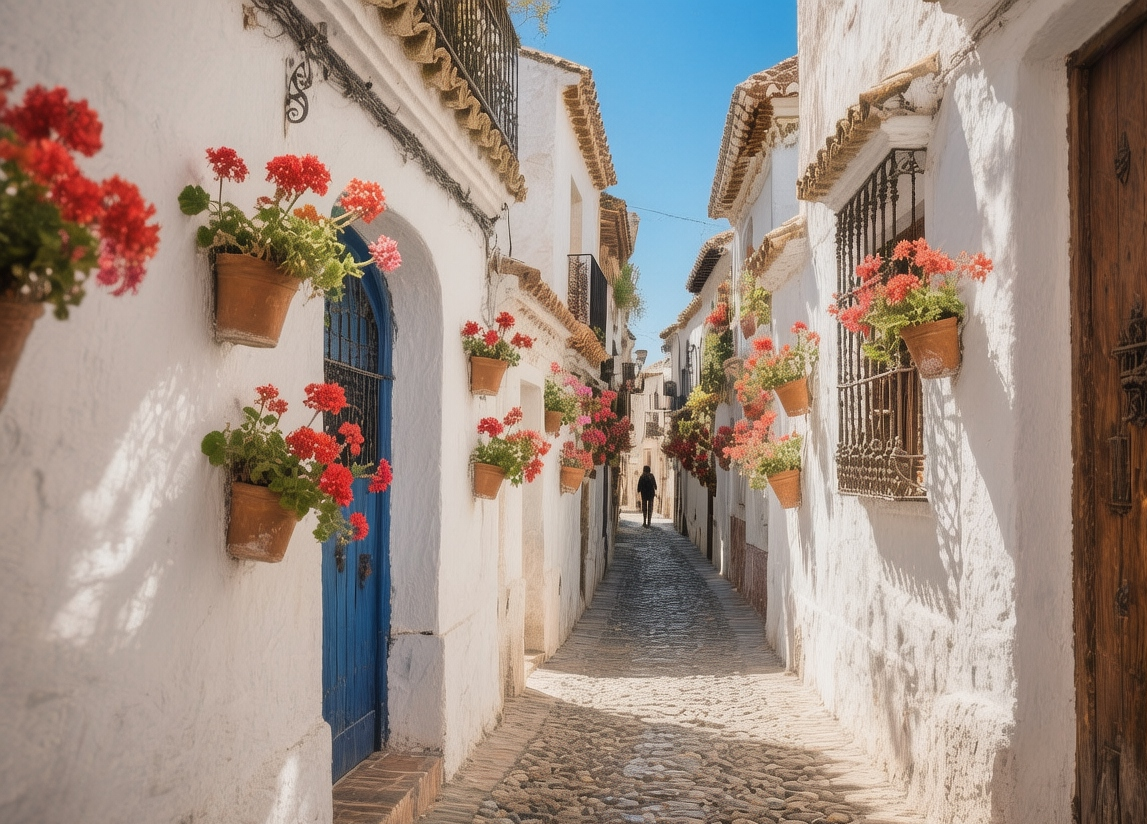
Córdoba: Where Arched Mosque Meets Whitewashed Jewel
The sun rises at eight in the morning. I stand in the courtyard outside the great Mezquita. Orange trees line the stone paths, fruit glowing gold among dark leaves. A breeze carries the scent of jasmine. The city wakes slowly — shop shutters roll up, doors open, voices call across lanes. Córdoba was once the capital of a caliphate, a place where three faiths built and lived side by side. Most visitors see the famous arches, take photos, and leave by mid-afternoon. They miss how the quiet lanes hold that layered history still, and how the city shifts completely when the day cools.
Why Córdoba Matters
Under Moorish rule, this was one of Europe’s largest and most cultured cities. The Great Mosque rose in the 8th century, expanded over centuries, its red-and-white arches stretching like a forest of stone. When Christian rulers took the city, they built a cathedral right inside the mosque — one structure holding two faiths. The old Jewish quarter preserves narrow cobbled lanes, flower-filled balconies, and quiet plazas. Yet popularity brings strain. Summer crowds fill the Mezquita by mid-morning. Queues stretch long in heat that climbs fast. Some restored areas feel newly polished, losing the worn, authentic feel that drew people here. The magic remains, but you must go early or wander far to find it.
The Best Time to Experience It
Late March through early June offers perfect days. Temperatures sit 14°C to 24°C (57°F–75°F). Orange blossoms fill the air, flowers spill from every window, and walking feels easy. September and early October match these numbers — warm evenings, clear skies, and the summer crowds gone. July and August reach 24°C to 38°C (75°F–100°F). The sun burns fierce by noon; locals stay indoors until evening. November stays mild at 10°C to 19°C (50°F–66°F). Winter months run 6°C to 15°C (43°F–59°F). Rain falls occasionally, but the city feels quiet and entirely itself. Arrive before nine in the morning. You will walk the Mezquita and the lanes with almost no one else.
Approximate Budget for a 7-Day Trip
Plan your spending with these daily averages:
- Accommodation: 60–130. Apartments in the old town sit closer to 60; rooms with courtyard views push well above 120. Right beside the Mezquita is overpriced. Stay two lanes back — save 35 a night and walk three minutes through quiet streets.
- Food: 28–48. Tapas and a drink cost 7–11. Salmorejo, oxtail stew, and flamenquín are local staples — a full meal with wine runs 20–38. Restaurants directly facing the mosque charge double.
- Transport: 12–28. High-speed train from Madrid 1 hour 45 minutes ~25; from Seville 45 minutes ~12. Bus from Málaga 2 hours ~15. Most of Córdoba is walkable.
- Attractions & Small Costs: 10–22. Mezquita entry ~13; Alcázar gardens ~7; synagogue and patios free or low cost.
- Miscellaneous: 7–18. Olive oil, ceramics, or hand-painted fans.
Total for 7 days: 580–1,100 per person
Drinks and meals on the main plaza carry a heavy premium. Walk five minutes into the Jewish quarter — eat better, pay less, and sit where locals sit.
Essential Experiences
- Walk the Mezquita at opening time. Rows of arches stretch endlessly, light filtering through high windows. The cathedral built at the centre rises unexpected from the older stone. Stand still and feel the weight of layers. Skip this if you rush — the space demands slow, unhurried looking.
- Wander the Jewish quarter lanes. Whitewashed walls, blue window frames, flower pots spilling colour. Every turn reveals something quiet. The streets narrow, shadows deepen, and the city slows down. Go without a map — getting lost is the point.
- Visit the Alcázar gardens. Tiered pools, fountains, and hedges clipped sharp. Water flows everywhere, cooling the air. Christian kings and queens once walked these paths. The view from the high tower stretches across the city to the river.
- Cross the Roman Bridge at sunset. Stone arches spanning the Guadalquivir River. The Mezquita silhouette glows gold against the sky. People stroll slowly; musicians play. It feels as though the whole city pauses together.
- Explore the ancient synagogue. Small, simple, and deeply moving. Built in the 14th century, one of the few that survived. The space feels intimate — a reminder of the community that once thrived here.
- Return to the patios after dark. Courtyards lit softly from within. Flowers and ferns frame stone wells. Families gather on doorsteps. The atmosphere shifts — peaceful, alive, entirely local.
Hidden Gems Most Travelers Miss
- Calleja de las Flores side lanes. The famous flower street draws crowds, but the alleys branching off hold the same beauty in silence. Stand there and listen — you will hear birds and water, not cameras.
- San Nicolás viewpoint at sunrise. The best-known spot gets packed by mid-morning. Arrive at eight — the city unfolds below in soft light, and you will share the view with only a few others.
- Botanical gardens west of centre. Tall trees, quiet paths, and ancient stone ruins tucked among green. Almost no tourists come here. It feels like a secret garden.
- The main Mezquita nave is famous but crowded. Walk the outer aisles first — quieter, cooler, and closer to the original structure. Return to the centre later when groups have moved on.
Cultural & Practical Tips
- Book Mezquita tickets online one week ahead. Walk-ins face long waits or sold-out signs. In July and August, reserve two weeks early.
- Cover shoulders and knees inside religious sites. Carry a light scarf — it takes seconds to drape over and shows respect.
- Drink plenty of water. The heat is dry and intense. Dehydration creeps up fast even when you do not feel sweating.
- Do not block doorways or narrow lanes. Cobbled streets are tight. Step aside and let others pass.
- Wear comfortable flat shoes. Cobblestones are uneven and worn smooth. Heels catch and slip — safe soles matter more here than anywhere.
- Respect siesta. Many shops close 14:00–17:00. This is not laziness — it is how the city survives the heat. Plan accordingly.
- Keep bags close in crowded areas. Pickpockets target popular spots. Hold phones securely and keep valuables inside.
Essential Visitor Information
Location & Access: Andalusia, southern Spain. Seville 140 km — 45 minutes by high-speed train. Madrid 400 km — 1 hour 45 minutes. Málaga 160 km — 2 hours by bus or car. Railway station 15 minutes walk to old town. Parking is limited inside historic centre — use designated underground car parks at the edges.
Tickets & Booking: Mezquita ~13; Alcázar ~7; Synagogue ~3. Combined tickets available. Booking essential June–September and weekends year-round.
Operating Hours: Mezquita generally 10:00–19:00; shorter hours winter. Alcázar 09:00–18:00; closed Mondays. Some smaller sites close between seasons.
Visit Duration: Minimum 2 full days. Plan 3 days to explore east and west, walk the river, and sit in patios without rushing.
Family Suitability: Mostly flat and walkable. Some lanes are very narrow. Strollers work but lightweight models are easier. Heat may tire young children — plan indoor rest during midday.
Timing: Best seasons March–June and September–October. Best times: before 09:00 and after 18:00.
Highlights: Mezquita arches and cathedral, Jewish quarter lanes, Alcázar gardens, Roman Bridge sunset, ancient synagogue, patios after dark.
Nearby & Day Trip: Montoro hilltop village 45 minutes; Medina Azahara ruins 30 minutes; Seville 45 minutes train; Granada 2 hours; Málaga 2 hours. All make satisfying half-day or full-day trips.
Conclusion: Travel with Respect, Not Just Photos
This city has seen empires rise and fade. You will find crowded lanes, higher prices facing the Mezquita, and days when the heat feels too strong to walk. That is real. Slow down. Look beyond the famous arches. Ask yourself what you remember most — the perfect photo, or standing quiet in a space built by hands that have long since gone, feeling the layers of all who came before.
Comments
Post a Comment