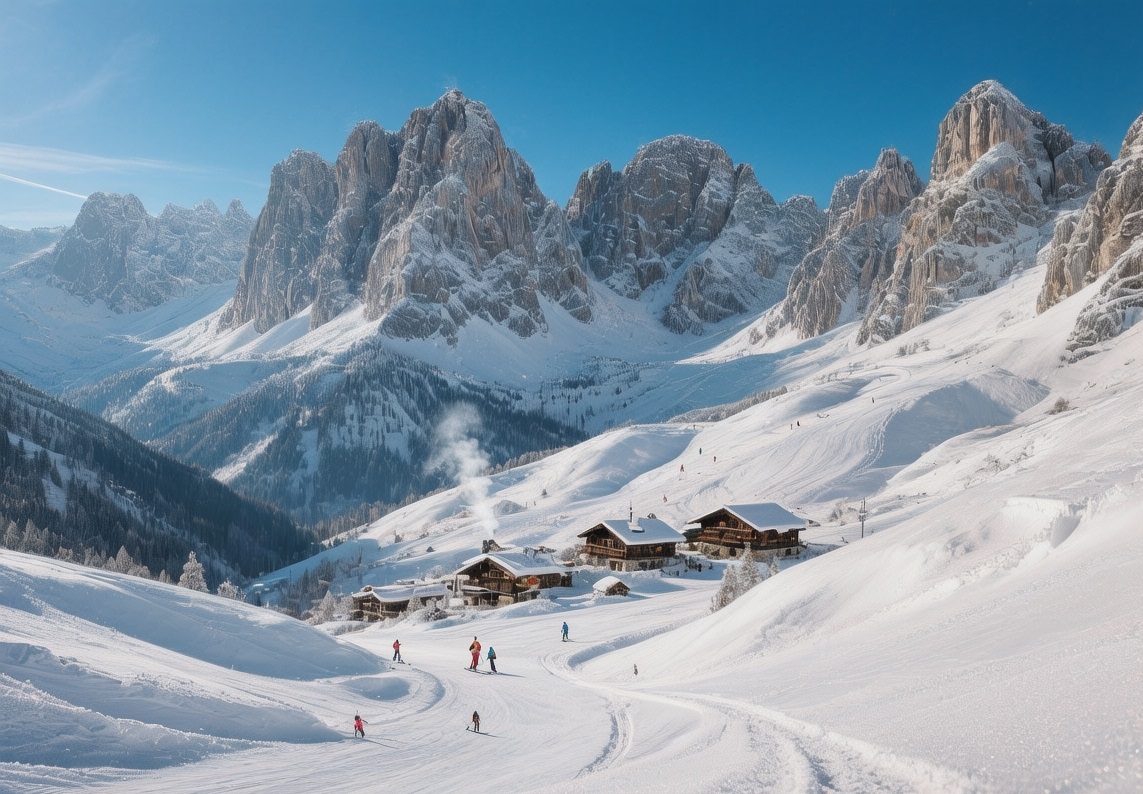
Cortina d'Ampezzo: Where Ampezzo Valley Meets Dolomite Giants
I stand beside the parish church at 8:20 on a July morning. Sunlight spills across the stone facades and boutique-lined streets. An espresso costs two euros thirty at the wood-panelled café right on the main square. I hear people speaking Italian, German, and English in the space of a single block. Cortina sits at 1,224 metres. It spreads along the Boite river, with Tofane, Cristallo, and Sorapiss rising directly above. People come for the fame and the film-set beauty. They find a place where elegance meets grit — a town that has hosted royalty, Olympics, and world wars, and still feels entirely itself.
Why Cortina d'Ampezzo Matters
This valley has been settled since Roman times, a high pass linking the Veneto plain with central Europe. For centuries it remained remote herding ground where a distinct Ladin-influenced culture took root. Then the mountains made it famous. The 1956 Winter Olympics put Cortina on the global map, and films have used these peaks as a backdrop ever since. Today it sits at the heart of the Dolomite UNESCO area, ringed by some of the most dramatic rock faces on the continent. That fame carries a cost. Cortina is expensive — among the priciest resorts in the Alps. The main streets feel crowded from mid-morning onward in summer, and parking becomes scarce. The glamour is real, but so are the queues and the high price tag. You pay a premium to be here.
The Best Time to Experience Cortina
Late June through early July brings long days, open high trails, and wildflowers across the meadows. Temperatures sit between 11°C and 22°C (52°F–72°F). August warms to 14°C and 25°C (57°F–77°F), but afternoon thunderstorms happen often and fast. September offers clear skies and golden larch foliage, ranging from 7°C to 18°C (45°F–64°F). Crowds thin noticeably and accommodation prices drop sharply. December through March holds winter cold: -5°C to 5°C (23°F–41°F). Snow cover is dependable and the extensive ski network spreads across five valleys. Late December through early January and mid-February are fully booked months in advance. Visit late January or early March for good snow and shorter lift lines. Mid-August is the busiest and most expensive time of all.
Approximate Budget for a 7-Day Trip
Prices below are per person, in euros, based on mid-range accommodation and daily exploration.
- Accommodation: 7 nights in a 3-star hotel or apartment — €130–280 per night. Total: €910–1,960. Staying in San Vito di Cadore or Pieve di Cadore cuts costs by roughly 40%; regular buses run directly to Cortina in 15–25 minutes.
- Food & Drink: Breakfast, two meals daily — €50–85 daily. Total: €350–595. Restaurants on Corso Italia charge premium prices; walk one or two streets back for better value and local character.
- Lift & Transport: Multiday Dolomiti Superski pass €75–90 daily; summer lift passes €55–80; local bus pass €18–25. Driving yourself is convenient but central parking costs €2–3 per hour and fills fast.
- Activities: Guided via ferrata, museum entry, bike rental — €50–100.
- Miscellaneous: Water, snacks, maps, small purchases — €25–40.
Total estimated 7-day cost: €1,350–2,775
Rooms with direct peak views carry a very large premium. Similar rooms facing the forest or river cost 40–50% less and the view opens up as soon as you step outside. The "Cortina Exclusive Dolomite Tour" is overpriced; the same peaks and lakes are easily reached by public bus or on foot for a fraction of the cost.
Essential Cortina d'Ampezzo Experiences
- Tre Cime di Lavaredo Loop — Drive, bus, or take an early shuttle up to Auronzo Hut and walk the classic circuit. It takes three to four hours at a steady pace. Cortina sits closer than most major resorts to these famous peaks. Skip if you dislike crowds; the first section feels like a busy promenade in summer.
- Sorapiss Lake Hike — Set out from the road above Cortina and climb gently into the Sorapiss massif. The turquoise lake sits in a rocky basin beneath sheer walls. The scale feels humbling. It takes roughly two hours one way. Go early; by midday groups line every viewpoint.
- Tofane Panorama Lifts — Ride the interconnected lifts up to high meadows with open views across the entire valley. You see Cortina laid out far below, with Cristallo and Sorapiss standing like sentinels on either side. Easy trails connect the stations. Bring a jacket; wind picks up fast at 2,000 metres.
- Corso Italia & Historic Centre — Wander the main pedestrian street and surrounding lanes. Stone buildings, wrought-iron balconies, and historic hotels line the route. It feels elegant but lived-in. Stop for coffee — it is expensive, but watching the world go by is part of the experience.
- 5 Torri & Lagazuoi — Drive or take the bus to the west side of the valley. Five distinctive rock towers rise above the pasture. The Lagazuoi cable car takes you to a ridge where WWI tunnels and trenches remain. It adds depth to every mountain view. Wear sturdy boots; ground is uneven.
- Sunset from Pocol Pass — Drive or cycle up the quiet pass road west of town. The viewpoint looks back across Cortina as the sun goes down. The peaks turn deep orange then purple. It stays quiet once the day-trippers leave. This is when the valley feels most magical.
Hidden Gems Most Travelers Miss
- The forest trail along the Boite river runs from the town centre toward San Vito. It stays shaded and quiet, following the water past old stone bridges and waterfalls. Very few visitors walk this section. It feels like a secret green corridor through the resort.
- Val di Fanes branches north above the village. A gentle hike leads up a sheltered valley past alpine huts and meadows. It opens onto views toward the Lagazuoi range. The pace feels slower and quieter than the famous routes. It takes about three hours round trip.
- Regole di Ampezzo open pasture lies on the southern slope above town. It has been common grazing land for centuries. Wide grass terraces offer unobstructed views across the valley. You see the resort from above, spread out beneath the giants. Almost no one walks here.
- The "Cortina by Night" illuminated carriage ride is overrated. You see the same streets you can walk independently, and the commentary adds little. Save the money and stroll Corso Italia at dusk when day-trippers have left.
Cultural & Practical Tips
- Book accommodation well ahead — ideally 2–3 months — for August and February. Availability vanishes completely and prices double.
- Arrive early for trailheads. Tre Cime, Sorapiss, and Lagazuoi parking fill by 9:30 AM in summer. Use public buses or shuttles to avoid queues and stress.
- Check weather forecasts before every high walk. Conditions above 2,000 metres can shift fast. Clear morning skies can turn to storms by early afternoon. Turn back early if you hear thunder.
- Carry cash. Mountain refuges and family-run bakeries do not always accept cards. Phone signal drops out on upper trails, so cash is the reliable option.
- Do not cut new paths or shortcut switchbacks. Alpine soil is thin and takes years to regrow. Erosion damages routes everyone uses. Stay on marked trails.
- Respect local peace. Cortina is not just a resort — people live here year-round. Keep noise down after 10:00 PM, especially in residential areas.
- Budget realistically. A coffee on Corso Italia costs €2.50–3.50; a simple lunch €15–25. Eating one meal away from the main square each day saves significantly.
Essential Visitor Information
Location & Access: Cortina d'Ampezzo, Province of Belluno, Veneto, Italy. Postal code 32043. Coordinates roughly 46.5389° N, 12.1322° E. Three ways to arrive: drive via A27 to Belluno then SS51 north — 1 hour; drive via Puster Valley and Dobbiaco — 40 minutes; or take train to Calalzo-Pieve di Cadore then bus to Cortina — 1/2 hours.
Tickets & Booking: Single lift return €16–26. Multiday summer pass €55–80. Dolomiti Superski winter pass €75–90 daily. Booking ahead is essential for accommodation in summer and winter school breaks.
Operating Hours: Lifts run 8:30 AM to 5:00 PM, shorter hours in autumn and spring. Restaurants serve lunch 12:30 PM–2:30 PM, dinner 7:30 PM–10:00 PM. Some upscale places close midweek in low season.
Visit Duration: Minimum 3 days for the centre and one major hike. Recommended 5–7 days to explore Tre Cime, Sorapiss, Lagazuoi, and side valleys without rushing.
Family Suitability: Good for families. Town paths are flat and stroller-accessible. Shorter high walks suit older children. Play areas exist near the river and sports centre. Restrooms are available at main points.
Timing: Best seasons are late June to early July and September. Best time of day is before 9:00 AM. Mid-afternoon brings storms and largest crowds.
Highlights: Tre Cime loop, Sorapiss Lake, Tofane panorama, 5 Torri & Lagazuoi, Pocol Pass sunset.
Nearby & Day Trip: San Vito di Cadore is 10 minutes by bus or car. Lake Misurina is 20 minutes away. Auronzo di Cadore is 30 minutes. Belluno is 1 hour by car.
Conclusion: Travel with Perspective, Not Just Prestige
Cortina gives you more than glamour. It gives you a valley ringed by peaks that have shaped lives, battles, and history. You can shop, eat well, and leave with photos. Or you can walk the quieter trails, eat where locals eat, and understand what lies beneath the postcard. The real magic costs nothing — just time and an early start. What is the one mountain view you would choose to sit and watch change from morning until night?
Comments
Post a Comment