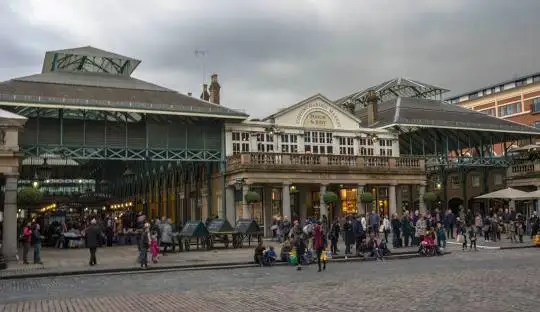
Covent Garden Market: Where Historic Piazza Meets Street Performance
I step into the central piazza at 10:00 on a bright Tuesday in early October. The glass roof glows pale gold above the cobblestones. Entry costs nothing at all. A violinist plays beneath the colonnade; shoppers browse stalls piled high with flowers and crafts. This was London’s principal fruit and vegetable market for over three hundred years. The old wholesale lorries have gone, but the energy remains—bright, loud, and constantly alive. You feel that shift from working hub to public stage the moment you walk through the arches.
Why Covent Garden Market Matters
Established by royal charter in 1670, the market grew from modest beginnings to feed the whole city. The present buildings—designed by Charles Fowler—were completed in 1830, the first large-scale use of glass and iron in London. By the 1970s the wholesale trade had moved out, and the site faced demolition. Public campaigns saved it; today it stands as one of the capital’s most visited destinations, blending architecture, performance, and independent trade. That said, popularity brings real pressure. The piazza fills fast on weekends. Chain stores have replaced some original stalls. Prices climb higher than in nearby streets. It feels polished and well maintained, but something of the rough, working character has softened over time.
The Best Time to Experience Covent Garden Market
Late April through June brings blooming window boxes and mild days—10°C (50°F) to 18°C (64°F). Street performers settle in early and stay late. July and August reach 14°C (57°F) to 22°C (72°F), but crowds fill every space and queues form at popular cafés. September and early October offer the sweetest balance—12°C (54°F) to 19°C (66°F), golden light through the glass roof, and thinner crowds. November through February sees shorter opening hours and quieter lanes—5°C (41°F) to 9°C (48°F)—and festive decorations draw visitors through the darker months. Arrive before 10:30 a.m. to see the market waking up before the day crowds arrive.
Approximate Budget for a 7-Day Trip
These figures cover one person based in or visiting central London:
- Accommodation: £630 – £1,050 for a room within walking distance. Stay one Underground stop away to save roughly one third.
- Food & Drink: £245 – £350. Piazza restaurants charge premium rates; better value exists in surrounding streets.
- Local Transport: £35 – £65. Underground to Covent Garden or Leicester Square; buses stop along the Strand; walking works perfectly from many central districts.
- Attractions & Entry Fees: £0 – £50. Market entry free; nearby theatres and museums cost extra.
- Miscellaneous: £55 – £120. Gifts, flowers, crafts, and refreshments.
Total estimated budget: £965 – £1,635
The sit-down restaurants right beside the central piazza charge high prices for basic meals. Skip the twenty-pound lunch there. Walk five minutes to Neal Street or Seven Dials, eat well for half the cost, and enjoy a quieter atmosphere.
Essential Covent Garden Market Experiences
- Watch street performers in the piazza. Magicians, musicians, and acrobats draw crowds throughout the day. Each show runs 20–30 minutes and passes a hat at the end. Skip this on Saturday afternoons; the crowd circles tight and you may not see clearly.
- Explore the Apple Market. The central hall holds stalls selling jewellery, crafts, and art. Most vendors make their own work. Prices vary; take time to compare before buying.
- Visit the Floral Hall. The curved glass arcade once held cut-flower auctions. Today it lines the entrance with boutiques and cafés. Light floods through the roof and the space feels graceful and bright.
- Walk the cobbled side lanes. Neal Street, Earlham Street, and Shorts Gardens branch off the main site. Independent shops, vintage stores, and small cafés fill these quieter thoroughfares.
- See the Theatre Royal Drury Lane exterior. One of London’s oldest playhouses stands just around the corner. The grand facade and history connect directly to the area’s entertainment past. Check for guided tours if you wish to see inside.
- Stroll to Seven Dials. Six narrow streets radiate from a central sundial pillar. It feels compact and entirely different from the open piazza—quieter, more intimate, full of small shops and cafés.
Hidden Gems Most Travelers Miss
- The Piazza lower level sits beneath the main terrace. Independent makers and vintage stalls fill the space. Most visitors never walk down; it stays calm even on busy days.
- St Paul’s Church portico faces the market. The quiet churchyard behind offers benches and shade. It cost nothing to enter and feels worlds away from the noise. Performers once auditioned here, too.
- Mercer’s Passage runs between the market and the river. A narrow covered alleyway with old shopfronts and soft lighting. Almost no tourists find it; it feels like stepping into a different century.
- The central balcony viewpoint draws crowds and feels overrated on weekends. Walk to the far end of the Floral Hall instead; the same sweeping view opens up with almost no one beside you.
Cultural & Practical Tips
- Book theatre tickets well in advance. Shows near Covent Garden sell out fast; same-day availability is rare.
- Tip performers only if you enjoyed the show. There is no charge to watch, and you decide what to give.
- Keep bags zipped and close. Pickpockets target crowded spaces; remain alert in busy lanes.
- Check market days. The Apple Market runs daily; some specialist stalls operate only Thursday through Sunday.
- Respect busker zones. Performers are allocated designated spots; do not block doorways or paths while watching.
- Wear comfortable shoes. Cobblestones and uneven flagstones cover the entire area; heels feel impractical and uncomfortable.
Essential Visitor Information
Location & Access: Covent Garden, London WC2E 8RF. Underground to Covent Garden (Piccadilly line), Leicester Square, or Charing Cross; buses to the Strand or Aldwych; limited parking—public transport strongly recommended.
Tickets & Booking: Market entry free year-round. Theatre shows, museum visits, and special events charge separately; booking advised for popular performances.
Operating Hours: Shops and stalls generally 10:00 to 19:00 daily; individual café and restaurant hours vary; closes earlier on Sundays; closed 25 December.
Visit Duration: Minimum three hours for a relaxed browse. Half a day lets you explore the market, side streets, and nearby Seven Dials without rushing.
Family Suitability: Excellent. Street entertainment engages all ages. Pushchairs work well on paved levels; lower areas have narrow doorways. Restrooms and baby care facilities on site.
Timing: Before 11:00 offers calmest exploration. Late afternoon from 16:30 sees day-trippers leave and the evening atmosphere begin.
Highlights: Central piazza, Apple Market, Floral Hall, street performers, Seven Dials, and St Paul’s Church yard.
Nearby & Day Trip: London Transport Museum and Somerset House are 10 minutes’ walk. British Museum is 20 minutes away. West End theatres and Trafalgar Square are 15 minutes’ walk.
Conclusion: Travel with Depth, Not Just Surface
Covent Garden has fed the city, entertained the city, and been saved by the city. It has changed many times over centuries. Some changes feel right; others feel less so. Look past the polished facades to the lanes and stories behind them. What will you remember—the famous piazza, or the quiet truth that places live and breathe when people care for them?
Comments
Post a Comment