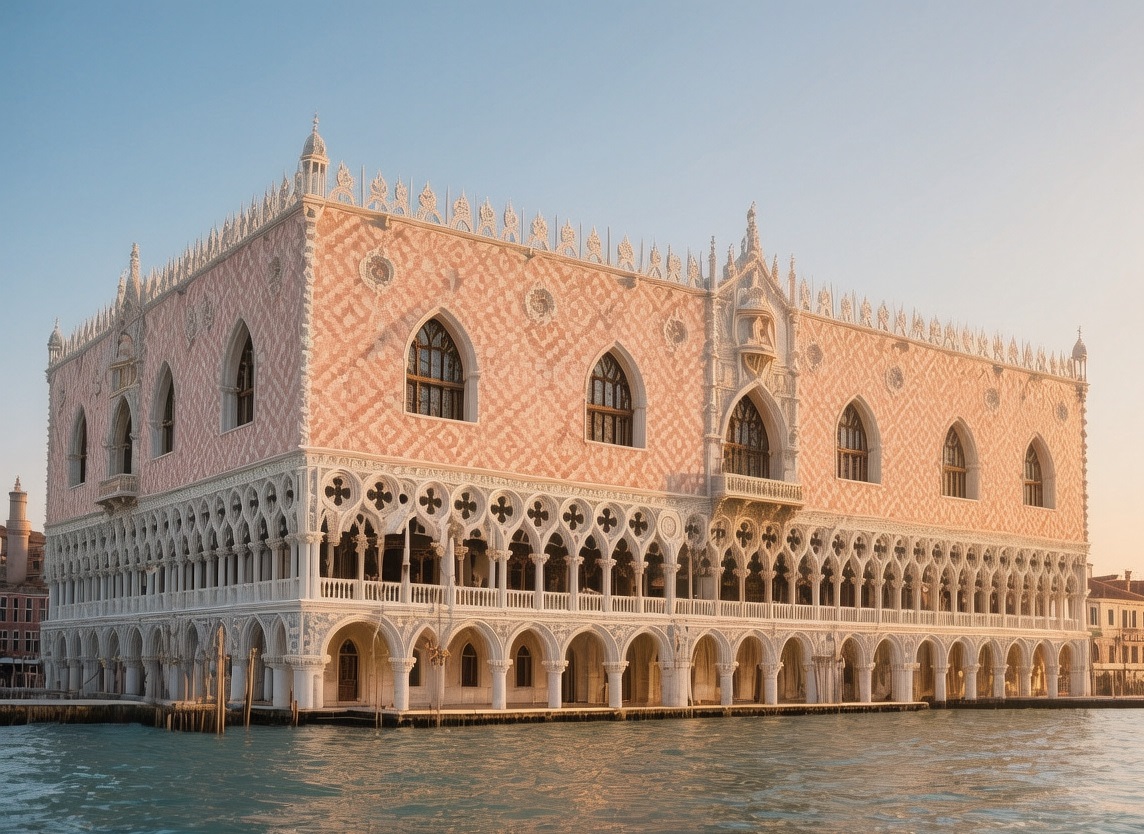
Doge's Palace: Where Power Met Pageantry
I step through the grand entrance just before nine in the morning. A combined ticket costs twenty-five euros. Sunlight falls across the courtyard, open and bright, surrounded by arcades that stretch upward. Only a few other visitors walk the stone floors. This was the heart of the Venetian Republic — where the doge ruled, councils met, and justice was handed down. By eleven, groups will fill the halls. Voices will echo beneath painted ceilings. For now, the space feels quiet enough to imagine the weight of decisions made here across a thousand years.
Why Doge's Palace Matters
The palace began in its current form in the 14th century, built to reflect Venice’s wealth and confidence. It served three purposes at once: the residence of the elected leader, the seat of government, and the supreme court. No king sat here — the doge was chosen from among citizens, bound by strict limits on power. The architecture expresses this: grand but not ostentatious, open to the city through arches and courtyards, with rooms arranged so decisions could be seen and debated. Over centuries, the Republic grew into a maritime empire, then declined, until Napoleon arrived in 1797 and the last doge stepped down. The palace fell into neglect before being restored and opened to all who wish to walk through halls once reserved for the few.
It carries real frustrations though. Rooms fill quickly and bottlenecks form at doorways. Many ceilings sit high and details are hard to see clearly without guides. Explanations feel sparse in places. The itinerary is one-way and you cannot double back. You will find gift shops crowded at exit and refreshments priced well above average. The scale remains impressive, but the experience can feel hurried and crowded.
The Best Time to Experience Doge's Palace
Late April through early June offers ideal conditions. Days run 13°C to 21°C (55°F–70°F). Light streams through courtyard arches and windows. Queues move faster. September and early October work equally well. Temperatures hold between 15°C and 23°C (59°F–73°F). Summer crowds thin and golden light softens the stone.
July and August push past 29°C (84°F) outside. Heat builds inside low-ceilinged passages. Wait times stretch ninety minutes or longer. Tickets sell out weeks ahead. Winter stays cool — 3°C to 10°C (37°F–50°F) — and days end early. Arrive exactly at opening time or book the final entry slot of the day for the quietest visit.
Approximate Budget for a 7-Day Trip
Prices are per person in euros. Staying in quieter neighbourhoods saves significantly over central locations.
- Accommodation: 90–190 per night. A clean room in Dorsoduro or Cannaregio sits near the lower end. Lodging directly beside St Mark’s Square costs nearly double — the palace is ten minutes’ walk away, so stay farther out and save.
- Food & Drink: 45–65 daily. Cicchetti snacks, seafood pasta, local wine, and coffee included. Cafés facing the square charge triple normal rates. Walk two lanes away and prices drop to honest local levels.
- Transport: 15–30 daily. Single vaporetto ticket 7.50 euros. 24-hour water-bus pass 25 euros. Most central sites are reached on foot.
- Attractions: 55–85 total. Doge’s Palace combined ~25 euros. St Mark’s Basilica, museums, and other sites cost extra. Passes offer savings across multiple locations.
- Miscellaneous: 20–35 daily. Prints, masks, small souvenirs.
Total estimated 7-day cost: 1,160–2,275 euros per person
Essential Doge's Palace Experiences
- Cross the Bridge of Sighs — The enclosed passage links palace to former prison. Stone turns dark and the view narrows to a single window. The name came from prisoners catching their last glimpse of freedom below. Go early. Skip if claustrophobic — the passage feels tight and dim.
- Stand in the Great Council Chamber — One of the largest rooms in Europe. A massive painting covers the entire wall behind the dais. Rows of seats curve outward. The scale humbles everyone who enters. Look up — the ceiling is gilded and alive with symbolic art.
- Walk the courtyard arcades — Light filters through arches. Statues stand in niches. The space feels open and calm, a contrast to the richly decorated rooms above. Notice how the building steps back as it rises — designed to look stable and grounded.
- See the doge’s apartments — Smaller, more intimate rooms show how the elected leader lived. Furnishings and tapestries survive. You realise the palace was a home as well as a fortress.
- Descend to the prisons — Dark, low, and quiet. Cells sit close together. The atmosphere shifts entirely. It explains why the bridge acquired its name.
- Examine the facade from the waterfront — White and pink stone laid in patterns, delicate carvings framing windows. It looks light and decorative — deceptive, because the structure beneath is solid stone built to last centuries.
Hidden Gems Most Travelers Miss
- Scala d’Oro — The Golden Staircase. Gilded edges curve upward. Most visitors pass straight by. It was once the route for dignitaries — now often quiet and overlooked.
- Upper loggia — Open to selected tours. The view stretches across the lagoon and square. It feels private and unhurried. Book in advance if possible.
- Palace exterior at night — Floodlit after dark, the stone glows warm gold. No entry ticket needed. It looks most beautiful then, free of crowds.
- Great Council Chamber — Everyone crowds here. You will wait just to glance quickly before moving on. Return at the very end of your visit — most people have left and you can stand in silence.
Cultural & Practical Tips
- Book tickets 2–4 weeks ahead. Summer slots sell out completely. Walk-up queues rarely offer entry — do not risk it.
- Arrive 15 minutes early. Security checks move slowly. Latecomers may be refused entry.
- Travel light. Large bags must be left in lockers — they cost extra and add delay. Bring only what fits in a small shoulder bag.
- Keep voices low. Echoes carry easily in high-ceilinged halls. Many people come to reflect — help them.
- Do not touch walls or surfaces. Even light contact damages aged stone and paint. Barriers protect what remains fragile.
- Wear comfortable shoes. Stone corridors are uneven and polished smooth. You will walk far more than you expect.
- Allow time for the prisons. They sit at the end of the route and feel separate — do not rush past them.
Essential Visitor Information
Location & Access: Palazzo Ducale, Piazza San Marco, 30124 Venice. From St Mark’s Square: directly adjacent. From Rialto Bridge: 15 minutes’ walk. From railway station: 35 minutes on foot or 20 minutes by vaporetto line 1. No cars exist in central Venice — arrive by foot or boat.
Tickets & Booking: Standard combined entry ~25 euros. Reduced rates for eligible visitors. Book ahead online. Third-party sites charge extra fees — book directly.
Operating Hours: Daily: 8:30 AM to 7:00 PM, last entry 6:00 PM. Closed 1 January, 1 May, 25 December. Hours may shorten in winter — check current schedules.
Visit Duration: Minimum 2 hours for the full route including prisons. 3 hours lets you explore without rushing.
Family Suitability: Children welcome everywhere. Steps and uneven floors make strollers impractical — use a carrier. Restrooms exist near entrance and exit. The prison section may feel dark for young children.
Timing: Best seasons: late April–June and September–October. Best times: opening at 8:30 AM or final hour before closing.
Highlights: Great Council Chamber, Bridge of Sighs, courtyard arcades, doge’s apartments, prisons, Scala d’Oro.
Nearby & Day Trip: St Mark’s Basilica — 2 minutes. Correr Museum — 5 minutes. Rialto — 15 minutes. Burano — 40 minutes by boat. All combine easily in a single day or longer stay.
Conclusion: Travel with Wonder, Not Just a Pose
This palace was never meant to be a museum. It was built so people could govern themselves — imperfectly, but together — for longer than most nations have existed. You can see it all in two hours and leave satisfied. You will remember it far longer if you slow down, imagine the debates that echoed here, and realise that power, when accountable, belongs to everyone. What legacy will you carry away from these halls?
Comments
Post a Comment