Isola del Giglio: Where Granite Shore Meets Wild Coast
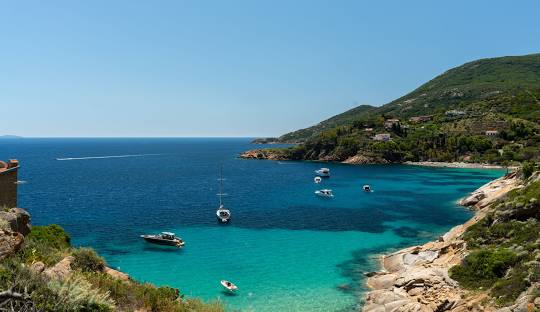
I stand on the harbour quay at 8:00 on a June morning. The sea is perfectly still. An espresso costs one euro forty at a small bar beside the dock. I look upward — the island rises steep and green, granite outcrops breaking through dense Mediterranean scrub, three small villages clinging to sheltered slopes, and crystal-clear water lapping at rocky coves. Isola del Giglio sits off the Tuscan coast, part of the Arcipelago Toscano National Park. People come for the quiet. They find a place where time moves slowly — ancient, rugged, and fiercely preserved.
Why Isola del Giglio Matters
Humans have lived here since Etruscan times. Romans mined the island’s granite, shipping stone across the empire — monuments in Rome still bear rock quarried here. Later centuries brought fishing families, stone fortifications, and a quiet rhythm of life tied to the sea. The island remained largely untouched by mass tourism until recent decades. Today it forms part of a protected marine area — one of the cleanest stretches of water in the Mediterranean. That purity brings growing attention. Ferries fill fast in summer. Trails show wear. Some coves feel crowded by midday. The community balances welcome with preservation — and that balance is delicate.
The Best Time to Experience Isola del Giglio
Late May through June brings calm seas, blooming wildflowers, and thin crowds. Temperatures sit between 13°C and 24°C (55°F–75°F). The water warms steadily and every cove feels private. July and August warm to 21°C and 31°C (70°F–88°F). Ferries queue early and popular shores fill quickly. September offers golden light and gentle winds — 17°C to 27°C (63°F–81°F). The sea stays warm and visitors thin out. Early October remains mild — 14°C to 22°C (57°F–72°F) — but crossings become rougher. Winter holds quiet, windy days: 7°C to 14°C (45°F–57°F). Most businesses close and ferries reduce sharply. Arrive before 9:00 AM any time from May through September — that is when the island feels truly yours.
Approximate Budget for a 7-Day Trip
Prices below are per person, in euros, based on staying on the island.
- Accommodation: 7 nights in Giglio Porto or Castello — €85–175 per night. Total: €595–1,225. Staying on the mainland at Piombino costs 40–50% less; daily ferry crossings add travel time and expense.
- Food & Drink: Breakfast, two meals daily — €35–60 daily. Total: €245–420. Restaurants right on the harbour charge premium prices; walk one lane back for fresh grilled fish, home-made pasta, and local white wine at fairer rates.
- Transport & Tickets: Ferry from Piombino — €28–45 return; marine reserve entry — €4–8; local bus — €1.50 per ride. No cars needed here — most places are walkable or reachable by short bus ride.
- Activities: Coastal boat trip, hiking trails, snorkelling, sunset from the castle — €30–55.
- Miscellaneous: Water, hat, sturdy non-slip shoes — €12–22.
Total estimated 7-day cost: €905–1,770
"Private exclusive cove access" tours are overpriced. Every shoreline is open to everyone. Arrive early by boat or foot and you will find perfect clear water without paying extra.
Essential Isola del Giglio Experiences
- Giglio Castello at Dawn — Climb to the medieval village before the first day-trippers. Stone walls, narrow cobbled lanes, and ancient fortress sit quiet in early light. The view stretches across the whole island and out to the distant mainland. It feels timeless, remote, and entirely peaceful. Skip if you dislike steep climbs; the path rises steadily and involves steps.
- Coastal Boat Trip — Circle the island by water. Hidden coves, granite cliffs, and sea caves appear around every headland. The water glows intense turquoise in sunlight. You understand how this island has always been approached — from the sea, not the land.
- Giglio Porto Morning — Wander the harbour at first light. Fishing boats unload the night’s catch, colourful houses line the quay, and sunlight reflects off calm water. It feels authentic and working — not just a destination.
- Snorkel in Reserve Waters — Wade into the protected marine area. Clear water, rocky seabed, and abundant fish life. The sea here is exceptionally clean — you see further than almost anywhere else in the Tuscan archipelago.
- Sunset from the Ramparts — Sit on the castle walls as the sun dips low. Stone turns deep gold and the sea glows violet. Most visitors have left on the last ferry. The island feels quiet, ancient, and entirely yours.
- Local Seafood Lunch — Eat grilled catch of the day with olive oil and lemon. Simple, fresh, and caught within hours. It tastes of the surrounding sea — nothing else compares.
Hidden Gems Most Travelers Miss
- The western coastal path runs high above the water. Shaded in places by pine and scrub, it offers quiet views down to hidden rocks and coves. Very few visitors walk this full route.
- The small square beside the castle church has stone benches and shade. The panorama opens across terracotta rooftops to the sea. It feels private and peaceful — no ticket needed.
- The cove south of Campese has shingle and clear water. Fewer facilities mean fewer crowds. Bring your own shade and supplies — it feels secluded and calm.
- The "Giglio VIP Private Island & Exclusive Beach Tour" is overpriced. Every cove, trail, and view is open to standard ticket holders. Arrive early, walk slowly, and stay late — that is how you truly experience the island.
Cultural & Practical Tips
- Check ferry schedules and sea conditions daily. Services reduce in bad weather and crossings can be rough. Keep one day flexible toward the end of your stay.
- Arrive before 9:00 AM. Popular coves fill fast. After 11:00 AM finding space becomes difficult.
- Wear sturdy non-slip shoes. Trails are rocky, uneven, and often close to drops. Flip-flops are unsafe and damage fragile vegetation.
- Carry everything you need. Remote coves and higher trails have no shops. Take all waste away with you — there are often no bins.
- Do not disturb nesting areas. Cliffs and islets are protected bird habitats. Keep distance and avoid loud noise — especially in spring.
- Respect the castle’s quiet lanes. People live and work here. Keep voices low, especially in the evenings.
- Book accommodation 2–3 months ahead in July and August. Only a limited number of rooms exist — they sell out quickly.
Essential Visitor Information
Location & Access: Isola del Giglio, Arcipelago Toscano, Tuscany, Italy. Coordinates roughly 42.36° N, 10.92° E. Three ways to arrive: ferry from Piombino — 1 hour; hydrofoil from Piombino — 45 mins; private boat from nearby islands — variable.
Tickets & Booking: Island free entry. Marine reserve — €4–8; ferry — €28–45 return. No booking needed for individuals; reserve accommodation and ferries ahead.
Operating Hours: Island always accessible. Shops and services roughly 9:30 AM to late evening; some close one day weekly — typically Tuesday.
Visit Duration: Minimum 2 full days. Recommended 3–4 days to explore villages, trails, coves, and quiet shores without rushing.
Family Suitability: Good for older children. Steep lanes and rocky paths make strollers difficult — carriers are better. Sheltered bays suit swimming under supervision.
Timing: Best seasons are late May–June and September. Best time of day is before 9:00 AM or late afternoon.
Highlights: Castle at dawn, coastal boat trip, Porto morning, reserve snorkelling, sunset ramparts, western path.
Nearby & Day Trip: Giannutri Island — 30 mins by boat. Monte Argentario — 45 mins by ferry + drive. Piombino — 1 hour. Elba — 2 hours by ferry.
Conclusion: Travel as Guest, Not Just Visitor
Isola del Giglio gives you silence and clarity that are vanishingly rare. You can visit the famous spots and leave. Or you can respect the sea, keep your voice low, carry your waste away, and remember — this small island has sustained life for millennia. It does not need to be loud to be extraordinary. Honouring that quiet is the finest gift you can give. What is the one remote, quiet place you would visit promising to leave it quieter than you found it?
Comments
Post a Comment