Ischia: Where Volcanic Warmth Meets Island Life
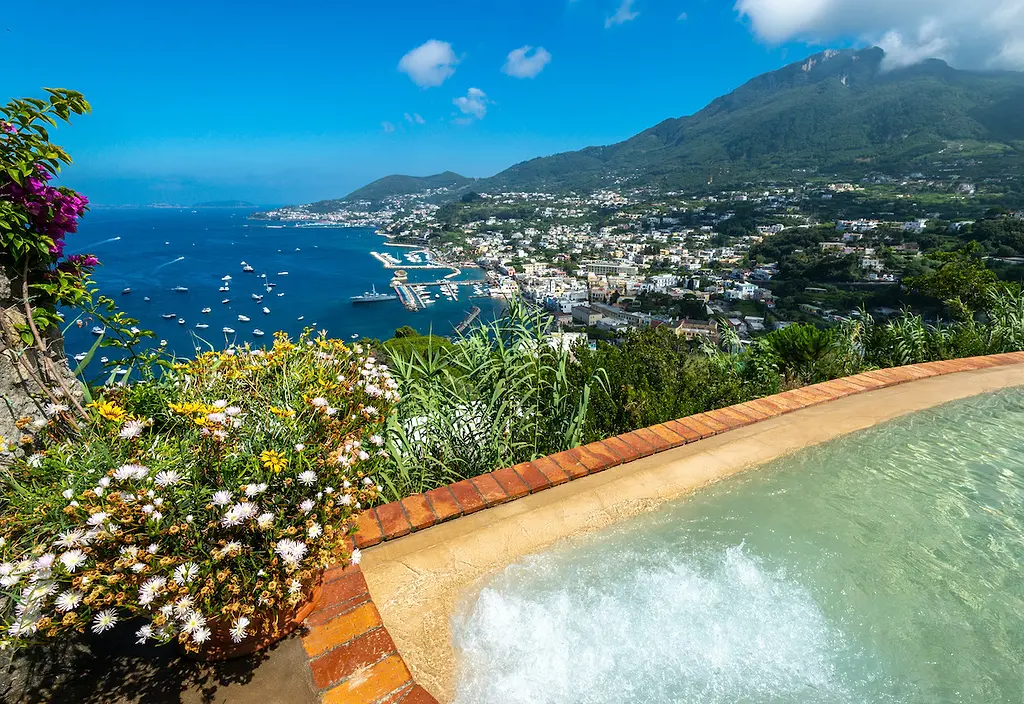
I stand beside a steaming spring near Casamicciola at 8:00 on a July morning. The air carries the faint, sharp scent of sulphur. An espresso costs one euro forty at a small café tucked beside a stone quay. I look outward — green hills rise steeply from the blue sea, whitewashed villages climb the slopes, warm water bubbles from rock and sand, and the great Aragonese Castle stands anchored to the shore, linked by a thin stone bridge. Ischia rises from the Bay of Naples, the largest volcanic island in the Gulf. People come for the heat. They find a place where fire beneath the earth feeds gardens, heals bones, and shapes every rhythm of daily life.
Why Ischia Matters
This island was born of fire. Volcanic activity built it, earthquakes shook it, and thermal springs have drawn visitors since Roman times. Greeks arrived first; Romans built villas and baths; Aragonese rulers fortified the rock; later artists, writers, and travellers found quiet here. For centuries Ischia was known as a place of rest and recovery — not spectacle, but healing. Today it balances that heritage with growing attention. Some popular thermal areas become crowded. Coastal development presses against quiet coves. Ferry connections can feel overstretched in peak season. The island protects its slower, genuine character while welcoming new guests — and that balance is delicate.
The Best Time to Experience Ischia
Late April through June brings blooming gardens, clear light, and thin crowds. Temperatures sit between 14°C and 25°C (57°F–77°F). The thermal waters feel wonderfully warm against fresh air. July and August warm to 22°C and 32°C (72°F–90°F). Ferries fill fast and the most famous beaches reach capacity early. September offers golden light and calm seas — 18°C to 28°C (64°F–82°F). The water stays warm and visitors thin out. Early October remains mild — 15°C to 23°C (59°F–73°F) — but evenings cool noticeably. Winter holds quiet, misty days: 8°C to 15°C (46°F–59°F). Many coastal businesses close. Arrive before 9:00 AM any time from May through September to claim the best spots.
Approximate Budget for a 7-Day Trip
Prices below are per person, in euros, based on staying in a family-run guesthouse or small hotel.
- Accommodation: 7 nights in a guesthouse or modest thermal hotel — €75–155 per night. Total: €525–1,085. Staying slightly inland costs 30–40% less; walking to the shore takes 5–10 minutes longer.
- Food & Drink: Breakfast, two meals daily — €32–55 daily. Total: €224–385. Restaurants directly facing the busiest beaches charge premium prices; walk one lane back for home-made pasta, grilled fish, and local white wine at fair rates.
- Transport & Tickets: Ferry from Naples — €15–28 return; island bus day pass — €4–6; thermal park entry — €18–32. Cars are permitted but narrow roads make driving slow and parking scarce — use buses instead.
- Activities: Aragonese Castle, hill walk, hidden coves, garden visit — €25–55.
- Miscellaneous: Swimsuit, water, hat — €15–25.
Total estimated 7-day cost: €814–1,600
Exclusive "private thermal spring" access and VIP beach clubs are overpriced. Public thermal areas and free warm-water shoreline spots exist across the island. Arrive early and you will find a perfect warm pool without paying extra.
Essential Ischia Experiences
- Aragonese Castle Morning Visit — Cross the stone causeway before crowds build. Fortified walls, ancient chapels, and panoramic views stretch across the whole island and back to Naples. It feels like a world apart — quiet, enduring, and full of stories. Skip if you dislike heights or steep climbs; the path involves stairs and exposed sections.
- Thermal Water Soak — Sit in warm natural water. The temperature wraps around you differently than a heated pool — soft, mineral-rich, and fed directly from the earth. It eases tired muscles and slows your breath. This is what brought people here for millennia.
- Monte Epomeo Walk — Hike to the highest point. Vineyards, chestnut woods, and terraced gardens climb the slope. At the summit, the full Gulf unfolds — Ischia, Procida, Capri, and the mainland all visible on a clear day. It shows how green and fertile this volcanic island truly is.
- Sant'Angelo Evening — Wander the quiet southern promontory. No cars, only lanes, squares, and a small stone quay. As the sun sets, the water glows violet and lanterns light up slowly. It feels timeless — the Ischia most visitors never find.
- Local Wine & Garden Meal — Eat on a terrace overlooking vines. The island’s volcanic soil produces crisp, fragrant white wine. Pair it with fresh vegetables grown in the same ground. The flavour tastes bright, mineral, and unlike anywhere else.
- Hidden Cove Swim — Wade from a quiet shore where warm and cool waters mix. The temperature shifts gently as you move — a reminder of the fire still burning beneath. It feels alive, elemental, and entirely unique.
Hidden Gems Most Travelers Miss
- The northern shore near Casamicciola has free public thermal spots right beside the sea. Locals have bathed here for generations. Bring a towel and respect the quiet — no loud music or crowds.
- The old mule path between Forio and Serrara Fontana winds through gardens and olive groves. No buses go this way. It takes forty-five minutes on foot and offers peaceful views across the western coast.
- The small botanical garden near Barano sits off the main road. Tropical and Mediterranean plants grow together, watered by natural warm springs. It stays quiet and green even in summer.
- The "Ischia VIP Thermal Resort & Private Spring" is overpriced. Every mineral benefit is available at public and smaller shared sites. Arrive early, sit quietly, and you will feel the same healing warmth.
Cultural & Practical Tips
- Arrive before 9:00 AM. Ferries, buses, and thermal spots fill fast. After 10:30 AM finding space becomes difficult.
- Use public buses. Roads are narrow, steep, and parking is scarce. The network reaches every village and cove — slower than a car but far less stressful.
- Respect thermal etiquette. Some areas are quiet and meditative — keep voices low. In public pools, shower first and follow local rules.
- Drink plenty of water. Warm waters raise body temperature and speed dehydration. Carry more than you think you need.
- Check ferry schedules. Services reduce outside summer. Storms can cancel trips — keep one day flexible toward the end of your stay.
- Try island food. Rabbit, wild herbs, and chestnut dishes are local staples. They taste of the volcanic soil and hills — simple, honest, and deeply satisfying.
- Book accommodation 2–3 months ahead in July and August. Ischia is compact and popular — rooms sell out fast.
Essential Visitor Information
Location & Access: Ischia, Gulf of Naples, Campania, Italy. Coordinates roughly 40.73° N, 13.96° E. Three ways to arrive: ferry from Naples — 45 mins to 1 hour 15 mins; hydrofoil from Naples — 40 mins; ferry from Procida — 30 mins.
Tickets & Booking: Island free entry. Aragonese Castle — €10–12; thermal parks — €18–32. No booking needed for most public areas; reserve accommodation ahead.
Operating Hours: Island always accessible. Castle roughly 9:30 AM to 7:00 PM in summer; shorter hours off-season. Thermal parks open roughly 9:00 AM to sunset.
Visit Duration: Minimum 3 full days. Recommended 5–7 days to explore shores, hills, villages, and thermal sites without rushing.
Family Suitability: Very good. Shallow warm pools suit all ages. Buses work but can be crowded — strollers may be hard to manoeuvre. Quieter coves are safer than busy beaches.
Timing: Best seasons are late April–June and September. Best time of day is before 9:00 AM or late afternoon.
Highlights: Aragonese Castle at dawn, natural thermal soak, Monte Epomeo summit, Sant'Angelo sunset, local wine terrace, mixed-temperature cove.
Nearby & Day Trip: Procida — 30 mins by ferry. Naples — 45 mins to 1 hour 15 mins. Capri — 1 hour 30 mins. Sorrento — 1 hour 30 mins then ferry.
Conclusion: Travel as Rest, Not Just Rush
Ischia gives you warmth that has drawn people to rest for thousands of years. You can visit the famous spots and leave. Or you can slow down, drink water, sit quietly, and remember — this island does not hurry. It heals, feeds, and welcomes on its own gentle timescale. Honouring that pace is the finest compliment you can pay. What is the one quiet place you would visit promising to slow down and let it restore you?
Comments
Post a Comment