Kensington Palace: Where Royal Residence Meets Public Gardens
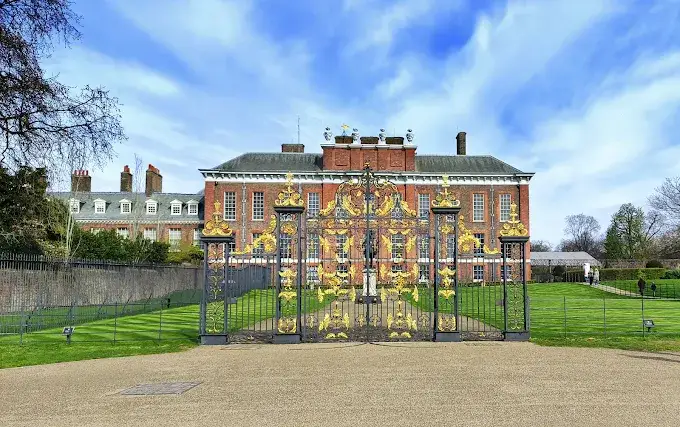
I walk through the Sunken Garden gate at 10:05 on a bright Thursday in early October. The air smells of damp earth and fallen leaves. Full admission costs twenty pounds at the ticket desk. Red brick facades stretch low and wide—tall sash windows, stone sills, dark doorways. This has been a royal home for over three hundred years. Queens and princes have lived, loved, and died within these walls. You feel that quiet weight of personal history before you read a single name on a plaque.
Why Kensington Palace Matters
Built as a private Jacobean house then expanded by William and Mary in 1689, Kensington became the preferred royal residence through the 1700s. Queen Victoria was born here in 1819 and spent her childhood years largely isolated within these rooms. Later generations—including Diana, Princess of Wales—made it their London home. Today it remains an official royal residence, with some apartments still occupied. That said, the palace feels smaller than many expect. State rooms are intimate rather than grand. Exhibition spaces can feel crowded and text-heavy. Some wings are entirely closed to visitors. You are seeing only a portion of the working building, and that boundary feels clear at every turn.
The Best Time to Experience Kensington Palace
Late April through June brings blooming gardens and mild days—10°C (50°F) to 18°C (64°F). The Sunken Garden looks its best. July and August reach 14°C (57°F) to 22°C (72°F), but queues form early and rooms fill quickly. September and early October offer the sweetest balance—12°C (54°F) to 19°C (66°F), golden light across the lawns, and thinner crowds. November through February sees shorter days and quieter grounds—5°C (41°F) to 9°C (48°F)—and admission costs slightly less. Arrive before 10:00 a.m. to explore the State Rooms with almost no one beside you.
Approximate Budget for a 7-Day Trip
These figures cover one person based in or visiting London:
- Accommodation: £560 – £910 for a room within easy reach. Stay slightly outside central zones to save roughly one third.
- Food & Drink: £210 – £315. Palace café and nearby Kensington restaurants charge premium rates; better value exists in Notting Hill or Bayswater lanes.
- Local Transport: £35 – £65. Underground to High Street Kensington or Queensway; buses stop nearby; walking works well from several directions.
- Attractions & Entry Fees: £60 – £95. Kensington Palace £20; combined tickets with other royal sites available.
- Miscellaneous: £45 – £90. Park refreshments, gifts, and travel.
Total estimated budget: £910 – £1,475
The palace café charges high prices for light meals. Skip the sixteen-pound lunch there. Walk ten minutes to a local café, eat well for half the cost, and return refreshed.
Essential Kensington Palace Experiences
- Walk the King’s State Apartments. Grand rooms with painted ceilings, tapestries, and portraits. The scale feels intimate yet stately. Skip this during school holidays; groups move slowly and you may wait to pass through doorways.
- Explore the Queen’s Apartments. Mary II’s private rooms sit quieter and softer in tone. Furniture and objects reflect daily royal life. The difference between public grandeur and private comfort becomes clear.
- See the Victoria rooms. The suite where she was born and grew up. Toys, portraits, and personal mementos feel human and touching. The narrative traces her path from sheltered child to ruling queen.
- Step into the Sunken Garden. Formal beds, box hedges, and central fountain. It was redesigned in the early 20th century and feels peaceful. Visit in morning light; the colours glow softest then.
- Walk the Broad Walk approach. Mature trees frame the palace across green lawn. This is the classic view—low brick, pale stone, symmetrical and balanced. It feels dignified without being overwhelming.
- Visit the temporary exhibition spaces. Special displays focus on different royal lives and eras. Content changes annually; check what is showing before planning your day.
Hidden Gems Most Travelers Miss
- The Walled Garden sits beside the palace grounds. Quiet and unstructured, with seating and wilder planting. Most people walk straight past the entrance. It costs nothing to enter.
- Kensington Gardens extends north and west. Tree-lined paths, the Round Pond, and distant views of the palace. Walk one mile to the Serpentine and you escape the crowds entirely.
- Notting Hill lanes lie ten minutes west. Colourful houses, independent shops, and quieter cafés. The contrast with Kensington feels sharp and refreshing.
- The main entrance courtyard viewpoint draws crowds and feels overrated. Walk along the south perimeter path instead; the palace appears through trees with almost no one around it.
Cultural & Practical Tips
- Book tickets online in advance. On-the-day entry costs more and slots sell out, especially weekends and school holidays.
- Wear comfortable shoes. Gravel paths, uneven flagstones, and short flights of stairs appear throughout the site.
- Photography rules vary by room. Some allow photos without flash; others ban cameras entirely. Respect posted signs to avoid being asked to leave.
- Do not touch walls, furniture, or displays. Historic surfaces degrade quickly from contact; barriers protect the fabric, not restrict you.
- Check closing times carefully. Rooms shut 45 minutes before the building itself; arriving late means missing key sections.
- Respect private areas. Working royal apartments lie within the palace complex; roped-off sections are not temporary queues—they are homes.
Essential Visitor Information
Location & Access: Kensington Palace, Kensington Gardens, London W8 4PX. Underground to High Street Kensington or Queensway; bus to Kensington Palace Gates; limited paid parking nearby—public transport recommended.
Tickets & Booking: Adults £20 advance / £23 on the day; concessions available; under 5s free. Booking recommended year-round.
Operating Hours: 10:00 to 17:00 daily March through October; closes at 16:00 November through February; last entry typically one hour before closing; closed 24–26 December.
Visit Duration: Allow a minimum of two and a half hours. Half a day lets you explore apartments, gardens, and exhibitions without rushing.
Family Suitability: Good for children. Interactive displays and garden space. Pushchairs work on ground floors; some historic rooms have stairs only. Restrooms and café on site.
Timing: Before 10:30 offers quietest exploration. Late afternoon from 15:30 sees day-trippers leave and light warm across the brick facades.
Highlights: King’s State Apartments, Queen’s Apartments, Victoria rooms, Sunken Garden, and Broad Walk view.
Nearby & Day Trip: Hyde Park borders the grounds. Buckingham Palace is 25 minutes’ walk or short bus ride. Westminster and central London landmarks are 30 minutes away.
Conclusion: Travel with Heart, Not Just Ceremony
Kensington Palace has been called home by very different people—rulers, children, consorts, public figures. It has seen triumph and grief, birth and loss. Some rooms feel polished and preserved; others feel quiet and lived-in. Look past the titles to the lives once contained here. What will you remember—the crowns and gowns, or the quiet truth that these walls have held ordinary human stories all along?
Comments
Post a Comment