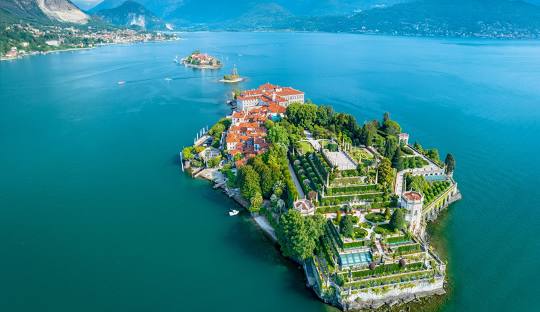
Lake Maggiore: Where Island Palace Meets Alpine Slope
I stand on the Isola Bella shore at 8:00 on a June morning. The water laps gently at stone steps. An espresso costs one euro forty at a small waterfront kiosk. I look across the surface — deep blue stretches between Lombardy and Piedmont, four famous islands rise from the centre, grand white villas sit amid terraced gardens, and behind them steep forested slopes climb toward high peaks still dusted with snow. Lake Maggiore straddles two regions and two worlds — ornate, cultivated beauty floating above wild, untamed mountain land. People come for the palaces. They find something quieter — a place where human elegance and rugged nature exist side by side.
Why Lake Maggiore Matters
Noble families built their island retreats here from the 16th century onward. The Borromeo dynasty transformed rocky islets into palaces and gardens — terraces carved from bare rock, soil brought by boat, exotic plants acclimatised to the lakeside climate. Writers and travellers came through the 19th century, drawn by the mild air and dramatic views. Today the lake remains divided between shores — one busier, one quieter, each with its own character. That fame brings real strain. Ferry queues lengthen by midday. Some garden paths feel narrow and crowded. Traffic presses against the waterfront roads. The lake preserves beauty while serving daily life — and that balance is delicate.
The Best Time to Experience Lake Maggiore
Late April through June brings blooming camellias and azaleas, fresh green slopes, and thin crowds. Temperatures sit between 10°C and 23°C (50°F–73°F). Gardens look their finest and morning light falls softly on palace facades. July and August warm to 18°C and 29°C (64°F–84°F). The lake feels busy — ferries fill fast and shoreline towns stay lively late. September offers golden light and settled weather — 14°C to 24°C (57°F–75°F). Visitors thin out and water stays warm enough to swim. Early October remains mild — 11°C to 19°C (52°F–66°F) — but evenings cool fast. Winter holds quiet, misty days: 3°C to 10°C (37°F–50°F). Many attractions close or run shorter hours. Arrive before 9:30 AM any time of year — that is when the islands feel most yours and the lake lies calmest.
Approximate Budget for a 7-Day Trip
Prices below are per person, in euros, based on staying lakeside.
- Accommodation: 7 nights mid-range — €85–210 per night. Total: €595–1,470. Staying inland or further from the shore costs 30–45% less; driving or taking a bus in takes 15–25 minutes longer.
- Food & Drink: Breakfast, two meals daily — €32–62 daily. Total: €224–434. Restaurants right on the main promenades charge premium prices; walk one street back for lake fish, risotto, and local Piedmontese or Lombard wine at fair rates.
- Transport & Tickets: Ferry between islands and shores — €6–15 per ride; palace/garden entry — €10–18; local bus — €2–5. Parking near major towns is limited and expensive — use public transport or park uphill and walk down.
- Activities: Villa visits, mountain walks, nearby towns — €30–65.
- Miscellaneous: Water, hat, comfortable shoes — €12–22.
Total estimated 7-day cost: €873–2,006
"Private exclusive island access" and "after-hours garden" packages are often overpriced. Standard tickets cover every palace and garden beautifully. Arrive early and you will experience quiet moments without paying extra.
Essential Lake Maggiore Experiences
- Isola Bella at Opening — Step onto the most famous island before crowds arrive. Terraced gardens descend toward the water, white palace stands proud, and peacocks wander freely. It was built as a showplace — and at dawn it feels entirely yours. Skip if you arrive late; narrow paths clog and the hush vanishes.
- Isola Madre Gardens — Explore the larger, quieter island. Tall trees, exotic blooms, and open lawns surround a less grand but more intimate villa. It feels lived-in and wilder — nature shaping the design, not just clipped to order.
- Stresa Waterfront and View — Stroll the elegant promenade. Grand old hotels face the islands, ferries glide past, and the full panorama unfolds. This is the classic view — balanced, composed, and deeply satisfying.
- Alpine Slope Walk — Climb above the shoreline. Forested paths, stone chapels, and sudden wide views down across the blue expanse. It reminds you the lake sits in mountain country — rugged ground beneath all the beauty.
- Isola dei Pescatori — Wander the only inhabited island. Fishing boats, narrow lanes, and small homes line the shore. No palace, no grand garden — just a working community that lived here long before tourists came.
- Lakeside Lunch — Eat fresh lavarello fish, buttered risotto, and crisp local white wine. Simple, delicate food suited to the mild climate — light, clear, and exactly right.
Hidden Gems Most Travelers Miss
- The western shore path below Verbania runs quiet and tree-lined. It offers gentle views across the water and very few visitors walk its full length. Shade makes it perfect on warm days.
- The small botanical park above Pallanza has mature trees and quiet benches. It overlooks the lake without fanfare — peaceful and almost entirely free of crowds.
- The upper village above Stresa climbs away from the waterfront. Stone houses, old lanes, and no admission charge — it feels genuine and untouched by the resort buzz.
- The "Lake Maggiore VIP Private Island & Royal Garden Tour" is overpriced. Every palace, garden, and great view is open to standard ferry and ticket. Arrive early, walk slowly, and stay late — that is how you truly experience it.
Cultural & Practical Tips
- Arrive before 9:30 AM. The best light, quietest islands, and genuine atmosphere happen early. After 11:00 AM the dynamic shifts noticeably.
- Use the ferry network. It connects every major spot and offers better views than driving. Book multi-ride passes — they save money and queueing time.
- Respect garden boundaries. Rare plants grow in protected beds — stay on marked paths and do not touch foliage.
- Wear sturdy shoes. Steep climbs, uneven stone steps, and sloping terraces demand firm soles. Heels are impractical and unsafe.
- Visit both shores. The eastern side feels busier and grander; the western side feels quieter and greener. Each has its own charm — do not limit yourself to one.
- Book accommodation 2–3 months ahead in May and June. Blooming season is most popular and rooms sell out fast.
- Stay for evening. Day-trippers leave, lights reflect softly across the water, and the lake feels most itself — calm, deep, and beautifully still.
Essential Visitor Information
Location & Access: Lake Maggiore, Piedmont/Lombardy border, Italy. Coordinates roughly 45.99° N, 8.58° E. Three ways to arrive: train from Milan to Stresa — 1 hour; train from Milan to Verbania — 1 hour 15 mins; drive from Geneva — 2 hours 15 mins.
Tickets & Booking: Shoreline and public paths free. Ferry day pass — €10–15; palaces/gardens — €10–18 each. Book island tickets ahead in busy seasons; same-day availability is limited.
Operating Hours: Lake always accessible. Ferries run early morning until evening; reduced service in winter. Attractions roughly 9:30 AM to 5:30 PM; some close Monday.
Visit Duration: Minimum 2 full days. Recommended 3–4 days to explore islands, both shores, and mountain paths without rushing.
Family Suitability: Good overall. Ferries and waterfronts suit all ages; island gardens have steep terraces and narrow paths — supervise young children closely.
Timing: Best seasons are late April–June and September. Best time of day is before 9:30 AM or late afternoon.
Highlights: Isola Bella at opening, Isola Madre gardens, Isola dei Pescatori, Stresa waterfront, western shore path, upper village above Stresa.
Nearby & Day Trip: Milan — 1 hour. Lake Como — 1 hour 15 mins. Lake Orta — 30 mins. Locarno, Switzerland — 45 mins.
Conclusion: Travel with Grace, Not Just Glance
Lake Maggiore gives you beauty that was built — terraces carried stone by stone, gardens planted generation by generation. You can see the palaces and leave. Or you can visit the fishing island, walk the quiet shore, remember people lived here long before the gardens grew, and treat this place gently. Honouring that deeper, living history is the finest compliment you can pay. What is the one beautiful place you would visit promising to respect how it was made?
Comments
Post a Comment