Loch Ness: Where Deep Water Meets Highland Story
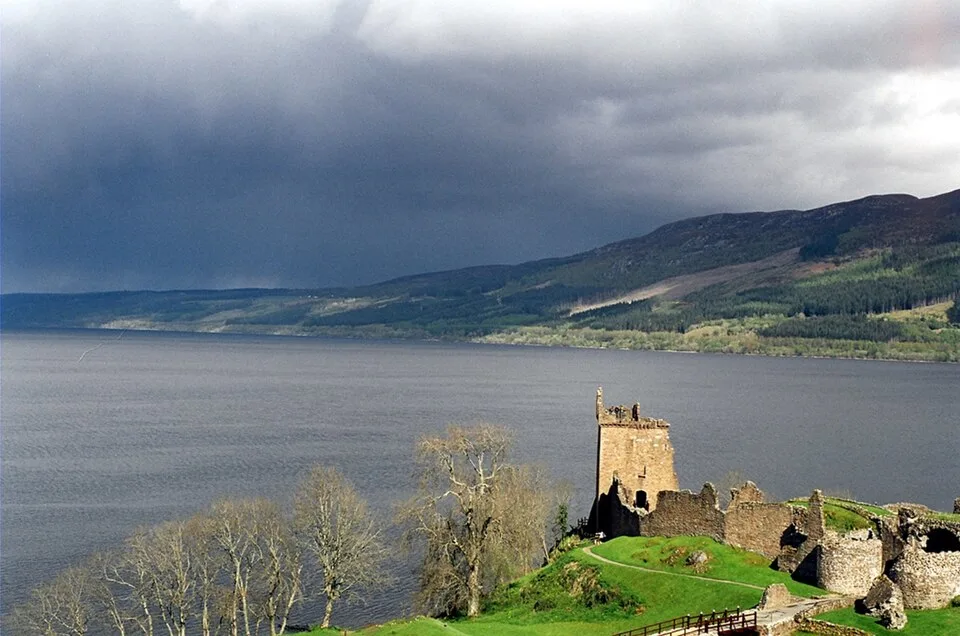
I pull into a quiet lay-by at ten to nine on a crisp morning in early September. The loch lies straight ahead, long and narrow, water so dark it looks like polished glass. Mist drifts low along the surface, clinging to the tree line then pulling apart slowly as sunlight warms the air. A single canoe glides silently past, its wake spreading thin and silver behind it. No other car has stopped here yet. The hills rise steep on both sides — pine and birch and bare rock — and the silence feels thick, as if the land itself is holding its breath. I have visited this loch many times. It never looks quite the same twice. That is its quiet power.
Why Loch Ness Matters
Formed at the end of the last Ice Age roughly 10,000 years ago, Loch Ness is the second-largest loch in Scotland by surface area and by far the largest by volume. It holds more fresh water than all the lakes in England and Wales combined. The water is exceptionally deep — up to 230 metres — and stained dark brown by tannins from surrounding peat, so sunlight penetrates only a few metres below the surface. For centuries this great body of water has stood as a natural highway and barrier through the Highlands. The story of something unknown living within it has drawn visitors since the 6th century, and today tourism supports livelihoods across the glen. That popularity brings real strain. The main A82 road clogs with coaches and rental cars in summer, and quiet viewpoints fill fast. Some visitors treat the loch as nothing more than a backdrop for photos and leave without learning anything about the place itself. Plastic waste appears along remote shores, and boats create heavy wake that erodes the banks. The loch is not a theme park. It is a living, working ecosystem that deserves care.
The Best Time to Experience Loch Ness
Late April through May brings fresh green foliage and thinner crowds, temperatures between 6°C and 13°C (43°F to 55°F). Morning mist often lingers longest then, softening the surface and wrapping the hills in haze. June and July offer the longest days — sky stays bright until nearly 10 p.m. — and temperatures rise to 9°C and 16°C (48°F to 61°F). This is peak season; coaches arrive from 10 a.m. onward and popular spots fill by mid-morning. August stays mild at 10°C to 17°C (50°F to 63°F), but rain falls frequently and the wind often picks up by afternoon, churning the water grey. September holds steady at 8°C to 14°C (46°F to 57°F), birch turns gold, and most family groups have left. This is widely considered the best month to visit. October cools to 5°C and 11°C (41°F to 52°F), days shorten fast, and frost appears on grass overnight. November through February the loch falls quiet. Temperatures sit 2°C to 8°C (36°F to 46°F), snow dusts the higher summits, and many small cafes close for winter. March and April lengthen again, 4°C to 10°C (39°F to 50°F), and wildflowers appear on sunlit banks, though the water remains cold and deep.
Approximate Budget for a 7-Day Trip
These figures assume a base in Drumnadrochit, Fort Augustus, or Inverness, exploring the loch and surrounding area.
- Accommodation: £48–£82 nightly. Shared hostel room or clean guesthouse room with breakfast. £336–£574 for 7 nights.
- Food & Drink: £15–£24 daily for self-prepared breakfasts and packed lunches. Evening meal out £20–£36. £252–£420 total.
- Transport: Car rental £45–£70 daily; essential for reaching quiet viewpoints on the south shore. Buses run but do not cover every stop. £65–£490 total.
- Attractions: Most viewpoints free. Urquhart Castle £13 per adult. Boat tours £25–£35. Clava Cairns and Culloden free or low cost. £45–£110 total.
- Miscellaneous: £8–£15 daily for waterproof layers, hot drinks, and supplies. £56–£105 total.
Total estimated 7-day cost: £754 to £1,699
The large exhibition centre near the castle charges premium entry and overpriced food. Walk into Drumnadrochit village instead; you will find independent cafes with fairer prices and genuine local character.
Essential Loch Ness Experiences
- Walk the Urquhart Castle shoreline — A flat path runs along the water’s edge beneath the ruins. You look straight down the widest stretch of the loch with the tower rising behind you. Skip this after heavy rain; sections flood and become slippery.
- Drive the full length of the loch — From Lochend in the north to Fort Augustus in the south. Use both shores; the view changes completely depending on which side you travel. Allow half a day; rushing means seeing nothing properly.
- Take a small boat tour — Being on the water reveals how vast and deep the loch truly is. Pick a smaller vessel; large catamarans create heavy wake that disturbs the surface and scares wildlife away.
- Watch dawn from a quiet pull-off — Arrive before 6 a.m. in summer. The surface stays perfectly calm, and mist rises slowly as light touches the treetops. You will likely have the view entirely to yourself.
- Explore Fort Augustus locks — Where the loch meets the Caledonian Canal. Watch boats descend through the flight of locks, and walk along the canal towpath. It feels peaceful and entirely different from the open water.
- Visit Foyers waterfall and bay — On the south shore, water tumbles 100 metres down rock faces then flows into the loch. The trees frame the water beautifully. The path is steep in places; take your time going back up.
Hidden Gems Most Travelers Miss
- Abriachan cliff viewpoint — Reached via a narrow winding road high above the north shore. You look down on the loch stretching far below, and surface patterns show clearly from this height. Very few visitors make the drive.
- South shore quiet bays — Between Foyers and Inverfarigaig, small pull-offs sit tucked between trees. The water stays sheltered and still here, and you can sit undisturbed for hours. The road is narrow; park only in marked spaces.
- Whitefield shore — A grassy stretch on the western lochside. This spot is widely shared online now and has become overrated. Go before 8 a.m. if you want it quiet.
- River Ness walk — From the loch’s northern tip down toward Inverness. The water flows fast and clear, and the path runs through woodland and past old stone bridges. It shows where the loch water goes next.
Cultural & Practical Tips
- Do not treat the loch as a prop. It supplies drinking water to local communities and supports sensitive wildlife. Respect it as a living place, not a photo backdrop.
- Drive considerately on the A82. It is a busy working road with blind bends and narrow sections. Slow down for locals, cyclists, and vehicles towing caravans.
- Carry waterproof layers year-round. Rain can arrive within minutes and blow straight down the loch. Even bright mornings turn wet by mid-afternoon.
- Do not leave food or waste behind. There are no bins at remote pull-offs. Pack everything out — including fruit peels and bottle caps.
- Book boat tours and castle tickets in advance July and August. Popular options sell out, and on-site queues waste precious hours of daylight.
- Respect private land. Most shoreline is owned by local estates. Stay on public paths and do not camp or park overnight without permission.
Essential Visitor Information
Location & Access: Great Glen, Highland Scotland — 16 miles south of Inverness, 35 miles north of Fort William. Three transport options: car via A82 (north shore) or B852 (south shore); bus from Inverness or Fort William — stops at Drumnadrochit, Urquhart Castle, and Fort Augustus; train to Inverness then bus or rental car.
Tickets & Booking: Shoreline viewpoints and most pull-offs free. Urquhart Castle £13 adult. Boat tours £25–£35. Book tours and castle entry online in peak season.
Operating Hours: Lochan and roads accessible year-round at all times. Castle and visitor centres generally 9.30 a.m. to 5.30 p.m. April through September; shorter hours winter.
Visit Duration: Minimum half a day for Urquhart Castle and short drive. 1 to 2 full days to explore both shores, take a boat trip, and stop at quiet viewpoints.
Family Suitability: Main paths and pull-offs suit all ages. Many quiet spots have uneven ground and no stroller access. Public toilets at Drumnadrochit, Urquhart Castle, and Fort Augustus.
Timing: Best season May or September. Early morning before 9 a.m. or late evening after 7 p.m. offers calmest water and quietest roads.
Highlights: Urquhart Castle waterfront, dawn mist from south shore, Foyers waterfall, Fort Augustus canal locks, Abriachan high viewpoint.
Nearby & Day Trip: Inverness — 25 minutes; Culloden Battlefield — 35 minutes; Clava Cairns — 30 minutes; Glen Coe — 1 hour 15 minutes; Eilean Donan Castle — 1 hour.
Conclusion: Travel with Respect, Not Just Sightings
Loch Ness is not defined by one story alone. It is ancient ice-carved basin, vital water source, rich wildlife habitat, and homeland to generations of people who have lived beside its shores. When you visit, look beyond the legend. Notice how the light changes the water, how the wind moves across the surface, how the hills frame every view. Leave it cleaner than you found it. What will you carry away that matters more than a photograph?
Comments
Post a Comment