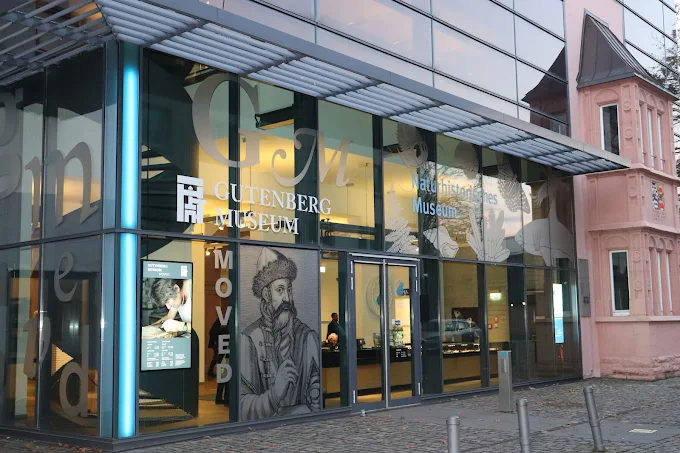
Mainz Gutenberg Museum: Where Printing Innovation Meets Shared Knowledge
I walked through the glass entrance at ten on a Wednesday morning. The air smelled faintly of old paper and ink. I paid twelve euros at the counter. Sunlight fell across a replica of the first printing press. It stood solid and unassuming. I expected a quiet collection of dusty books. What I found feels like the birthplace of modern thought. Not every display feels perfectly organised. Some explanations run long and dense. That makes the genuine treasures feel even more rewarding when you find them.
Why Mainz Gutenberg Museum Matters
Johannes Gutenberg grew up in this city. Around 1450 he developed movable type printing — a system that let knowledge spread faster and farther than ever before. The museum opened in 1900, dedicated to preserving that story. Today it holds two original Gutenberg Bibles, the earliest surviving printed books, working historic presses, and exhibits showing how printing changed languages, education, and society across the world. It sits beside the cathedral in the heart of the old town. One honest criticism: the building itself is layered and confusing. Rooms spread over several levels with uneven floors and narrow doorways. Visitors with limited mobility will find some sections difficult or impossible to reach. Signage can feel unclear; you may circle back by accident. On busy days the main printing hall feels crowded and movement slows.
The Best Time to Experience Mainz Gutenberg Museum
April through October brings 10°C to 21°C / 50°F to 70°F. The museum stays comfortably cool. Arrive before 11:00 to see the exhibits with space to read. School groups often visit between 12:00 and 14:00. November through March brings 1°C to 7°C / 34°F to 45°F. Crowds thin noticeably and the museum feels peaceful. Mondays the museum remains closed. Tuesdays and Wednesdays stay quietest year-round. Special exhibitions sometimes rearrange displays without much notice; check ahead if you want to see a specific collection.
Approximate Budget for a 7-Day Trip
Costs below are per person based on staying in central Mainz.
- Accommodation: 469 euros — Clean room in a central guesthouse or hotel. Properties directly beside the museum charge 205 euros or more per night and feel overpriced; stay one street away for quieter nights and fairer rates.
- Food: 273 euros — Bakery breakfasts, market lunches, and evening meals including local wine and regional dishes.
- Transport: 91 euros — Regional weekly pass covering trams, buses, and trains. Walking from Mainz main station takes 12 minutes.
- Attractions: 63 euros — Museum entry plus nearby cathedral, Roman sites, and river promenade.
- Miscellaneous: 56 euros — Drinks, small purchases, and parking fees.
Total: 952 euros. The museum shop marks up branded books and gifts heavily. Buy a postcard or a local bottle of wine instead. They cost less and travel easily.
Essential Mainz Gutenberg Museum Experiences
- Gutenberg Bible Room — Two original volumes sit in quiet, dimmed light. They were printed here in the 1450s. The pages look crisp and vivid even after more than five centuries. Stand back and let the detail emerge. Skip if you are short on time; this is the one room not to rush.
- Printing Workshop Floor — Working historic presses run by skilled demonstrators. You see type set by hand, ink applied, and pages pressed. The noise, effort, and pace show how labour-intensive this work was. Demonstrations happen at set times; ask at the desk for the schedule.
- Original Press Replica — Built using surviving records and materials, this version matches what Gutenberg likely used. It stands sturdy and approachable. The scale and simplicity surprise most visitors. It reminds you great ideas need simple tools to begin.
- Writing and Pre-Print Gallery — Manuscripts, hand-drawn pages, and early woodcuts show how books were made before printing. The shift from slow, rare, hand-copied volumes to mass-produced works changed everything. Notice how letter styles evolved.
- World Printing History Section — Exhibits cover Chinese woodblock methods, Korean movable metal type, and Islamic calligraphy printing. It shows Gutenberg was not alone — he built on knowledge from across the globe. This section feels underrated and often overlooked.
- Type and Composition Room — Cases of metal letters, wood blocks, and composing sticks. You can see how individual characters were arranged, locked in place, and reused. This practical side of the craft fascinates both children and adults.
Hidden Gems Most Travelers Miss
- Upper Landing Window Seat — On the first floor, a quiet bench sits beside a tall window overlooking the cathedral square. Almost no one stops here. It offers a moment to think about what you have seen.
- Small Type Display Case — Tucked beside the main staircase, a glass cabinet shows the different sizes and styles of metal type used over centuries. The craftsmanship in each letter is easy to miss when hurrying past.
- Back Courtyard Stone Tablet — Outside the rear exit, a weathered stone marks where Gutenberg's workshop once stood. The so-called "exact workshop location" nearby is often overrated; the precise site remains debated and nothing above ground confirms it.
- Reference Library Reading Nook — Ask at the information desk. It holds rare books and documents open to serious visitors. It stays nearly empty most days.
Cultural & Practical Tips
- Buy tickets online ahead. Weekends and holiday periods sell out. Waiting on the day often means delayed entry or no place at all.
- Keep voices low. Sound carries unusually well in these rooms. Many visitors come to reflect and concentrate.
- Do not touch presses or type cases. Even light contact damages original surfaces and disrupts the demonstrators. Barriers exist for protection, not just display.
- Carry water. There is no drinking fountain inside. The nearest shops sit a few minutes away in the market square.
- Photography without flash is allowed in most areas. Tripods and selfie sticks are not permitted. Signs mark restricted zones clearly.
- Allow extra time. Most visitors leave after an hour. The museum rewards slower movement. Give yourself ninety minutes minimum.
Essential Visitor Information
Location & Access: Gutenberg Museum, Liebfrauenplatz 5, 55116 Mainz. GPS 50.0017, 8.2739. Mainz main station 12 minutes on foot. Frankfurt Airport 30 minutes by train. Cologne 1 hour 15 minutes. Wiesbaden 20 minutes. Tram lines stop directly at the cathedral square.
Tickets & Booking: Adults 12 euros. Reduced 8 euros. Family ticket 26 euros. Booking recommended online. Groups of 15 or more must reserve ahead.
Operating Hours: Tuesday–Sunday 09:00 to 17:00. Closed Mondays. Last entry 45 minutes before closing.
Visit Duration: Minimum 1.5 hours. 2 hours lets you read displays, watch a demonstration, and sit undisturbed.
Family Suitability: Children welcome. Full stroller access is limited by narrow doorways and steps. Restrooms at ground level. The printing workshop appeals to all ages; younger children may grow restless reading text panels.
Timing: May, June, September best. Arrive before 11:00. Late afternoon light warms the upper galleries.
Highlights: Gutenberg Bible room, printing workshop, original press replica, pre-print manuscripts, world printing history section.
Nearby & Day Trip: Mainz Cathedral 2 minutes walk. Rhine River promenade 5 minutes. Frankfurt city centre 30 minutes by train. Rüdesheim vineyards 35 minutes drive; makes a relaxed half-day trip.
Conclusion: Travel with Curiosity, Not Just Wonder
Mainz Gutenberg Museum will not feel polished or effortless everywhere. It holds centuries of human effort, trial, and error. One man's invention did not just change books — it changed how people learn, speak, and understand the world. Great ideas spread best when shared freely. What knowledge will you help carry forward?
Comments
Post a Comment