Montalcino: Where Fortress Stone Meets Vineyard Row
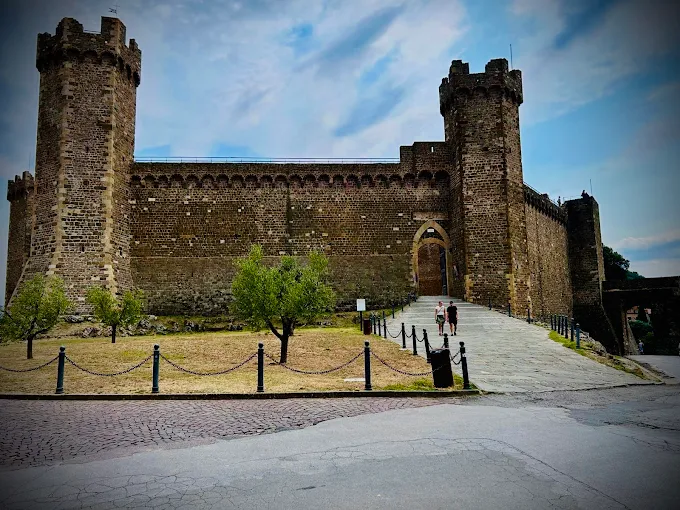
I stand in the fortress courtyard at 8:00 on a June morning. The stone still holds the night’s cool. An espresso costs one euro thirty at a small bar just inside the town gate. I look outward — the fortress sits at the highest point, thick brick walls and tall square towers rising above terracotta rooftops, and beyond the gates endless rows of vines stretch across rolling hills, green and gold in early light. Montalcino stands in southern Tuscany, a town built high above the valleys that feed one of Italy’s most famous wines. People come for the vintage. They find something older — a stronghold that watched over centuries, still standing firm above the vines.
Why Montalcino Matters
The fortress was built in the 14th century, a defensive stronghold on the border between Siena and Florence. For decades it served as a last refuge for Siena’s government when the city fell — a stubborn, independent holdout that resisted longer than any other part of the old republic. When it finally surrendered, the walls remained intact, and the town settled into quieter life tied to the land. In the 19th century winemaking grew into a serious craft; today Brunello di Montalcino is recognised worldwide as one of Italy’s finest wines. That fame brings real pressure. The central lanes fill fast by midday. Some tastings feel rushed. Prices rise faster than local wages. The town balances heritage with harvest — and that balance is delicate.
The Best Time to Experience Montalcino
Late April through June brings fresh green vines, blooming wildflowers, and thin crowds. Temperatures sit between 10°C and 23°C (50°F–73°F). Morning light hits the fortress walls beautifully and walking between rows feels comfortable. July and August warm to 18°C and 31°C (64°F–88°F). Stone absorbs heat and the upper town feels quiet in the midday lull. September offers golden light and harvest activity — 14°C to 25°C (57°F–77°F). The air smells of crushed grapes and visitors thin out. Early October remains mild — 11°C to 20°C (52°F–68°F) — but evenings cool fast. Winter holds crisp, quiet days: 3°C to 10°C (37°F–50°F). Most tasting rooms keep shorter hours. Arrive before 9:30 AM any time of year — that is when the fortress feels most yours and the views stretch clearest.
Approximate Budget for a 7-Day Trip
Prices below are per person, in euros, based on staying in Montalcino.
- Accommodation: 7 nights in a guesthouse or apartment — €85–195 per night. Total: €595–1,365. Staying in nearby Sant’Angelo Scalo or Pienza costs 35–45% less; driving in takes 15–25 minutes longer.
- Food & Drink: Breakfast, two meals daily — €35–65 daily. Total: €245–455. Restaurants right beside the fortress charge premium prices; walk one lane back for home-made pappardelle, wild boar, and honest local wine at fair rates.
- Transport & Tickets: Bus from Siena — €8–14 return; fortress entry — €4–7; standard wine tasting — €12–25. Parking near the fortress is limited — park below and walk up.
- Activities: Vineyard visits, countryside walks, nearby hill towns — €30–60.
- Miscellaneous: Water, hat, sturdy walking shoes — €12–22.
Total estimated 7-day cost: €907–1,999
"Exclusive reserve tasting" and private fortress access packages are often overpriced. Every standard tasting includes excellent wine, and public entry gives you full run of the walls. Arrive early and you will have quiet moments without paying extra.
Essential Montalcino Experiences
- Fortress Walls at Dawn — Walk the ramparts before the day begins. Thick brick parapets, open sky above, and endless vineyards rolling below. It feels strong, silent, and entirely unforgettable. Skip if you dislike heights; sections have steep drops and narrow steps.
- Brunello Tasting in Town — Sit in a quiet room with four glasses lined up. Deep red, aged, complex — you taste the hills, the sun, and the patience required to make it. It is not just luxury; it is the local land in liquid form.
- Medieval Lane Stroll — Wander the streets between the gate and the fortress. Stone houses, small courtyards, and family-run shops appear around every turn. This is daily life — not a backdrop.
- Val d’Orcia View from Ramparts — Stand on the southern wall. Cypress-lined roads, farmhouses, and golden hills stretch toward distant mountains. It is the famous postcard view — but up here, without crowds, it feels real.
- Fortress Interior Explore — Step into the keep. Vaulted ceilings, thick walls, and small museum show how soldiers and governors lived here. Simple, sturdy, and built to last — nothing fancy, just strong.
- Local Lunch — Eat pici pasta with meat sauce or wild boar stew. Robust food suited to this high, exposed place. It pairs perfectly with the wine — honest, hearty, and exactly right.
Hidden Gems Most Travelers Miss
- The western outer path runs below the main walls. It curves past olive trees and quiet gardens, with upward views of towers and battlements. Very few visitors walk this way.
- The small church just off the main square has plain stone interior and soft light. Almost empty, it offers a peaceful pause amid tasting rooms and shops. No ticket needed.
- The lower terrace viewpoint, past the bus parking, looks straight across the valley toward the distant mountains. Fewer people stop here — same light, same view, no crowds.
- The "Montalcino VIP Private Tower & Reserve Tasting" is overpriced. Every wall, view, and excellent wine is open to standard entry. Arrive early, walk the outer path, and stay late — that is how you truly experience it.
Cultural & Practical Tips
- Arrive before 9:30 AM. The best light, quietest walls, and genuine atmosphere happen early. After 11:00 AM the dynamic shifts noticeably.
- Drink thoughtfully. Spitting is not rude — it is practical. You will taste many wines; pace yourself and stay hydrated.
- Respect quiet lanes. People live here. Keep voices low, especially in the evenings after tastings end.
- Wear sturdy shoes. Cobblestones are steep and worn smooth. Comfortable soles matter more than style here.
- Buy what you actually like. Expensive labels do not always mean your favourite. Taste widely, choose honestly, and take home what pleased you.
- Book accommodation 2–3 months ahead in September. Harvest season is busy and rooms sell out fast.
- Walk beyond the walls. The surrounding countryside holds small chapels, old farmhouses, and quiet roads — worth exploring slowly.
Essential Visitor Information
Location & Access: Montalcino, Tuscany, Italy. Coordinates roughly 43.06° N, 11.48° E. Three ways to arrive: bus from Siena — 1 hour 15 mins; drive from Siena — 50 mins; drive from Florence — 1 hour 45 mins.
Tickets & Booking: Town free. Fortress — €4–7; wine tastings — €12–35. No booking needed for fortress; reserve premium tastings ahead.
Operating Hours: Town always accessible. Fortress roughly 10:00 AM to 6:00 PM; some winter hours shorter. Tasting rooms close one day weekly — typically Wednesday.
Visit Duration: Minimum 2 full days. Recommended 3 days to explore fortress, town, nearby villages, and countryside without rushing.
Family Suitability: Good for older children. Steep cobblestones make strollers difficult — carriers are better. Tastings are adult-focused but scenic walks suit all ages.
Timing: Best seasons are late April–June and September. Best time of day is before 9:30 AM or late afternoon.
Highlights: Fortress ramparts at dawn, honest wine tasting, western outer path, Val d’Orcia view, quiet church, lower terrace viewpoint.
Nearby & Day Trip: Pienza — 20 mins. Siena — 50 mins. San Gimignano — 1 hour. Cortona — 1 hour 15 mins.
Conclusion: Travel with Patience, Not Just Palate
Montalcino gives you wine that takes years to mature and walls that took centuries to build. You can taste and leave. Or you can walk slowly, respect the quiet, remember this is a place of stone as much as vines, and treat it gently. Honouring that slower, deeper rhythm is the finest gift you can give. What is the one place that teaches you to wait, not just rush?
Comments
Post a Comment