
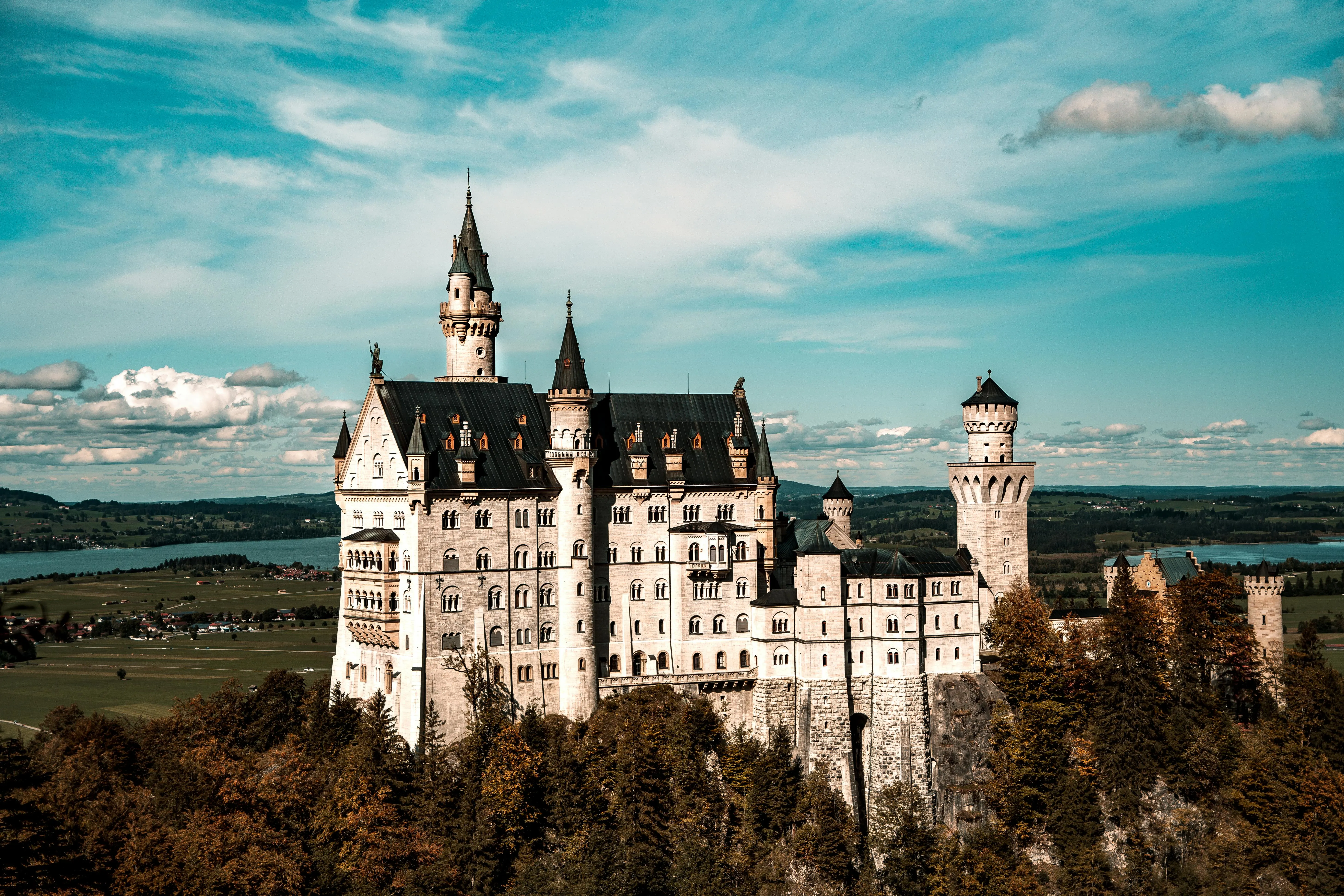
Neuschwanstein Castle Fairy-Tale Stone Meets Bavarian Alps
5:30 AM breaks over the Pöllat Gorge—a limestone chasm measuring 90 meters deep in the heart of the Bavarian Alps, Germany. The air bites at 6°C (43°F), sharp with the scent of damp pine needles, mountain mist, and the earthy perfume of Alpine meadows waking from sleep. Dawn light spills over the white limestone turrets of Neuschwanstein Castle, illuminating the Romanesque Revival fantasy that has stood sentinel over the valley since 1869. This is not merely a palace; it is a theatrical set piece rising 200 meters (656 feet) above the village of Hohenschwangau, standing guard over the dreams of a mad king. You hear the distant rush of the waterfall; the mist lifts 100 meters from the Alpsee lake, exposing the peaks that inspired Wagner's operas. In 2026, as mass tourism threatens fragile heritage sites, Neuschwanstein Castle matters now more than ever. It remains a tactile connection to romanticism—a place where you walk the same halls as Ludwig II, where the past isn't behind glass but embedded in the murals, and where the rhythm of life follows the ticket schedule rather than the clock. This is why you visit.
Why Neuschwanstein Castle Embodies Romantic Vision
Neuschwanstein Castle isn't merely an architectural landmark—it's a testament to royal escapism and artistic ambition spanning 17 years. Commissioned by King Ludwig II of Bavaria and designed by Christian Jank and Eduard Riedel, construction began in 1869 but was never fully completed before the King's death in 1886. The castle solved a fundamental personal need for Ludwig: a private refuge from the political pressures of Munich and the modernizing world. The engineering is remarkable: the structure utilizes modern steel technology hidden behind medieval-style stone facades, including a central heating system and automatic flushing toilets. The Throne Hall, inspired by Byzantine churches, features a mosaic floor weighing 150 tons that took two years to lay. In 2026, the castle welcomes over 1.5 million visitors annually, making it the most visited castle in Europe. The Bavarian Administration of State-Owned Palaces manages the site, maintaining the structural integrity against Alpine weathering. When you walk these galleries, you traverse a layered history: 19th-century romanticism, tragic monarchy, and a contemporary commitment to preservation that defines the future of German heritage. The stone doesn't care about your schedule; it demands you respect its fragility.
The Best Time to Experience Neuschwanstein Castle
Neuschwanstein Castle reveals its true character during specific windows, though it is accessible year-round for determined travelers. The definitive experience occurs between May 18 and June 12. During this window, you'll experience average temperatures of 14–18°C (57–64°F), with daylight stretching until 9:00 PM—ample time for evening photography after closing. The spring light filters beautifully through the Alpine valley, creating dramatic contrasts between shadow and illumination on the white stone. The summer tourist hordes haven't yet descended. For those seeking quieter contemplation, weekday mornings (8:00–9:30 AM) offer a more intimate atmosphere with significantly fewer tour groups on the Marienbrücke.
Autumn—specifically September 15–October 5—provides a second peak experience, with temperatures cooling to 8–12°C (46–54°F) and the larch trees turning russet and gold. This is when you'll witness the dramatic Alpine storms that make the castle imposing. However, avoid August 1–25 unless you enjoy navigating crowds: this peak summer period sees visitor numbers swell to 6,000 daily, with the ticket center congested and accommodation prices inflating by 50%. Winter (December–February) brings its own magic but limited services—the Marienbrücke bridge often closes due to ice, and daylight shrinks to 8:00 AM–4:30 PM. For real-time opening hours and ticket availability, verify current information at www.neuschwanstein.de before your visit. Always book timed entry tickets at least 14 days in advance during peak season; walk-up availability is rare.
Approximate Budget for a 7-Day Trip (2026)
Bavaria accommodates various budgets, though 2026 prices reflect post-pandemic tourism recovery and 3.5% German inflation. The following breakdown assumes mid-range travel with comfortable accommodations, local dining, and comprehensive exploration including public transport. Prices are listed in Euros (€), the local currency.
- Accommodation: €120–€180 per night for a double room in a traditional guesthouse or boutique hotel in Füssen or Hohenschwangau. Luxury properties command premium rates (€300–€500), while hostels in Füssen offer better value (€40–€60 per bed).
- Food: €50–€70 per day. Breakfast (€12–€18) typically includes bread rolls, cold cuts, and local cheese. Lunch (€15–€25) at village restaurants: Schweinshaxe (pork knuckle), or a Käsespätzle. Dinner (€30–€45) featuring regional specialties: Venison goulash, fresh lake fish, or apple strudel.
- Transportation: Munich Airport train to Füssen: €45 single. Regional bus (73/78) to Hohenschwangau: €3.50. Taxi from Füssen to castle: €25. Car rental not recommended due to parking restrictions at the castle.
- Attractions: Neuschwanstein Castle tour: €17. Hohenschwangau Castle: €15. Tegelberg Cable Car: €26. Museum of Bavarian Kings: €11. Marienbrücke access: Free.
- Miscellaneous: Hiking map: €8. Local wool hat: €40–€80. Guidebook: €15. Travel insurance: €40–€60 for the week.
Total estimated cost for 7 days: €1,500–€2,100 per person (based on double occupancy)
Seven Essential Neuschwanstein Castle Experiences
- Collect Tickets at the Center: Arrive at the Ticket Center in Hohenschwangau at 8:00 AM. You must collect pre-booked tickets here; entry is not at the castle. The walk to the castle takes 30 minutes uphill. Wear sturdy shoes; the path is steep. Allow 45 minutes for collection and ascent. It is mandatory for all visitors.
- Cross Marienbrücke: Walk the suspension bridge at 9:30 AM. The bridge hangs 90 meters above the Pöllat Gorge. The view of the castle facade is the definitive photograph. The wind is strong here; hold your camera steady. The metal grating is slippery when wet. Allow 30 minutes for photos. It offers the iconic perspective.
- Explore the Throne Hall: Enter the unfinished hall at 10:30 AM. The mosaic floor depicts the animal kingdom. The chandelier weighs 900 kilograms. The temperature inside is constant at 18°C (64°F). Photography is strictly prohibited inside. Allow 15 minutes for observation. It contextualizes Ludwig's divine right claims.
- Visit the Singers' Hall: View the murals at 11:00 AM. The walls depict legends of Parsifal and Lohengrin. The acoustics amplify the guide's voice. The wood carving is intricate. The room was designed for Wagner concerts. Allow 15 minutes for observation. It offers the definitive connection to the King's artistic vision.
- Hike to Alpsee Lake: Follow the path down to the lake at 1:00 PM. The water is glacial blue. The trail winds through ancient pine forest. The view back up to the castle is stunning. Wear waterproof boots; the path is muddy. Allow 2 hours for a 5-kilometer hike. It is a tangible connection to the landscape.
- Ride the Tegelberg Cable Car: Ascend the mountain at 3:00 PM. The view from the top is panoramic over the Alps. The wind is strong on the summit; wear a windproof layer. The light here is cooler, more subdued. It offers a contrast to the castle view. Allow 2 hours for the experience. It is less demanding but offers similar views.
- Dine at a Village Restaurant: End your visit at a traditional gasthaus (open 11:00 AM–9:00 PM). Order a schnitzel (€22) in the wood-paneled room. The building dates to 1900 but blends with the Alpine style. Speak to the staff about the local history. The fireplace crackles even in summer. This is the traditional end to a Neuschwanstein exploration.
Three Hidden Gems Most Travelers Miss
- St. Coloman Church: While most visitors focus on the castle, this pilgrimage church sits 2 kilometers away. Access: Follow the signposts from Hohenschwangau (open 9:00 AM–5:00 PM). It is overlooked because it requires a walk, but the frescoes are stunning. Best visited: Late afternoon when the sun hits the altar. No facilities; bring food. It offers a perspective on local religious heritage.
- Hohenschwangau Castle: Located below Neuschwanstein, this yellow palace was Ludwig's childhood home. Access: Ticket required at the center. Open during daylight hours. It's overlooked because Neuschwanstein overshadows it, but the interiors are more intimate. Insider tip: Look for the swan motifs everywhere. Benches available for rest. It provides context for the King's upbringing.
- Pöllat Gorge Trail: Beneath the Marienbrücke lies a hiking path through the gorge. Access: Follow the trail from the castle path. Open in summer only. It is overlooked because it is steep. The waterfall roars nearby. It's special because you see the engineering of the water supply. Best visited: Morning for the best light. A unique natural heritage experience.
Cultural & Practical Tips
- Strict Ticket Policy: You cannot buy tickets at the castle. You must collect them at the Ticket Center in the village. This is not just etiquette; it is rule. Arrive 90 minutes before your castle entry time. Keep your ticket safe.
- Photography Guidelines: Photography is strictly prohibited inside the castle rooms. Tripods are not allowed. Respect the guards; no photography in the halls. Silence your phone completely. Outdoor photography is permitted.
- Booking Strategy: Timed entry slots sell out weeks in advance. Book online at least 14 days in advance. Arrive 15 minutes before your slot to pass through security. Late arrival may result in denied entry without refund. Print your ticket or save it to your phone wallet.
- Learn these Local Terms: "Schloss" (Castle), "König" (King), and "Berg" (Mountain). Locals appreciate the correct terminology. When asking for directions, say "das Schloss" rather than "the building." It shows respect for Bavarian heritage.
- Weather Preparation: The Alps are unpredictable. Even on sunny days, carry a rain jacket. The temperature drops 1°C for every 100 meters of elevation. Dress in layers. Check the forecast; rain is common.
- Accessibility Information: The castle is not wheelchair accessible due to steep stairs and narrow passages. The Ticket Center is accessible. Virtual tours are available online. Contact the visitor team at +49 8362 930830 for specific access queries before traveling.
- Support Conservation: Consider donating to the "Bavarian Palace Administration" upon exit. Maintenance costs €10 million annually. Purchase guidebooks from the shop rather than online to support the local revenue stream. Membership offers free entry to other sites.
Conclusion: Travel with Reverence, Not Just Tourism
Neuschwanstein Castle in 2026 asks something different of you than mere sightseeing. This structure—stone, dream, resilient—has witnessed a king's madness, a world's fascination, and decades of preservation. But it also sustains a fragile ecosystem of Alpine flora and historic interiors threatened by overuse. To travel here responsibly means understanding that you're not just visiting a museum but entering a sanctuary maintained by strict preservation protocols. Walk softly on these floors; they've carried kings, servants, soldiers, and tourists for generations. Choose the quiet morning visit over the crowded afternoon. Listen to the guide's history, not just the facts. Donate to the conservation fund, not just the gift shop. Let Neuschwanstein Castle change you, not just entertain you. In an age of mass tourism and digital detachment, this is how we ensure that 2026's visitors don't become the generation that loved this place to death. The castle will still be here in 2126—if we treat it not as a backdrop to consume but as a legacy to protect.