Noto: Where Golden Stone Meets Planned Baroque Grace
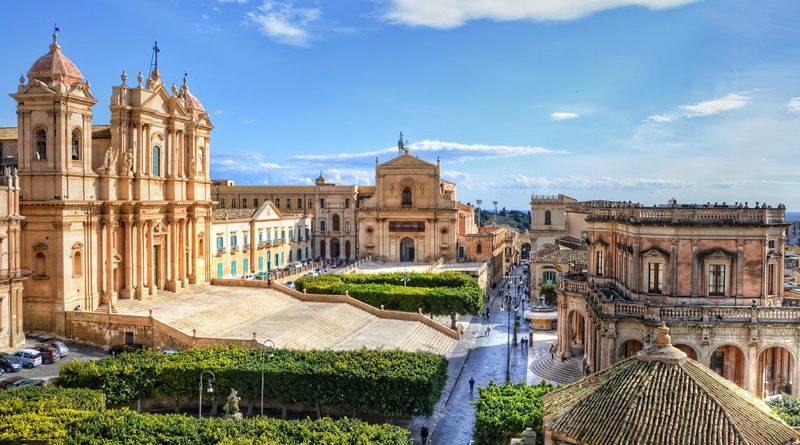
I stand at the cathedral steps at 8:00 on a June morning. The limestone glows soft honey gold in early light. An espresso costs one euro forty at the marble-topped counter just off the main square. I look down the wide, straight Corso Vittorio Emanuele — churches, palaces, and balconied buildings stretch toward the southern gate, every facade carved and balanced, as if the whole town was drawn with a single sure hand. Noto sits on Sicily’s south-eastern plateau, rebuilt from scratch after the 1693 earthquake. People come for the perfect stone. They find a place where an entire society started over — and built something that still feels whole.
Why Noto Matters
Before the earthquake, old Noto stood higher up, a medieval town tangled on a steep ridge. When disaster levelled it, architects and rulers chose not to rebuild on the old difficult ground but to lay out a new city on open, sunlit slopes. They designed it around wide avenues, symmetrical piazzas, and buildings that share the same honey-coloured stone and graceful proportions. Every palace, church, and gateway belongs to one unified vision — earning Noto a place on the UNESCO World Heritage list. That fame brings real pressure. The Corso fills completely by midday in summer. Some ground-floor rooms have become souvenir shops. Quiet corners feel busy. The town protects its beauty while welcoming visitors — and that balance is delicate.
The Best Time to Experience Noto
Late April through June brings warm days, blooming jasmine, and thin crowds. Temperatures sit between 14°C and 25°C (57°F–77°F). Walking the Corso feels comfortable and the light stays soft. July and August warm to 22°C and 33°C (72°F–91°F). The stone absorbs heat and midday feels slow. September offers golden light and thinner crowds — 18°C to 28°C (64°F–82°F). The air stays clear and the pace softens. October remains mild — 15°C to 24°C (59°F–75°F) — and evening light turns amber. Winter holds cool, quiet days: 9°C to 17°C (48°F–63°F). Some smaller museums close. Arrive before 9:00 AM any time of year to see the facades at their glowing best.
Approximate Budget for a 7-Day Trip
Prices below are per person, in euros, based on staying in central Noto.
- Accommodation: 7 nights in a guesthouse or restored townhouse — €70–145 per night. Total: €490–1,015. Staying just outside the historic centre costs 30–40% less; walking to the Corso takes 8–10 minutes longer.
- Food & Drink: Breakfast, two meals daily — €30–55 daily. Total: €210–385. Restaurants directly on the main squares charge premium prices; walk one lane back for home-made pasta, local almond desserts, and fresh fish at fairer rates.
- Transport & Tickets: Cathedral and museum entry €4–8 each; local bus €1.20 per ride; car rental €30–50 daily. Parking inside the historic centre is limited — use designated areas outside the gates and walk in.
- Activities: Guided architectural walk, nearby sea and nature reserves, day trips to Modica and Ragusa — €30–65.
- Miscellaneous: Water, hat, comfortable shoes — €15–25.
Total estimated 7-day cost: €775–1,535
Rooms with direct Corso views carry a very large premium. Similar accommodation in quiet side streets costs 40–55% less and the main square is still moments away. The "Noto Exclusive Private Palace & Balcony Tour" is overpriced; every facade and public space is open to everyone and self-guided wandering lets you pause where you like.
Essential Noto Experiences
- Cathedral & Piazza del Duomo — Stand at the heart of Noto. The cathedral rises at the top of broad steps, flanked by matching palaces. The square feels balanced and complete — the finest expression of the town’s design. Skip if you dislike crowds; mid-morning in summer brings groups — arrive early or late.
- Corso Vittorio Emanuele at Dawn — Walk the main avenue before the shops open. The honey stone changes tone as the sun climbs — pale gold, then deep amber, then bright warm yellow. No one else is there. It feels like the town greets you first.
- Church of San Carlo Steps & Facade — Climb the gently curved steps to San Carlo. The layered columns and sculpted stonework show Noto’s baroque at its most graceful. The proportions feel soft and welcoming — not grand or imposing.
- Belvedere Sunset — Walk to the southern viewpoint as the sun dips low. The whole town glows and the valley beyond turns violet. Most visitors have left — the light feels shared only with you.
- Almond Dessert & Coffee — Sit in a quiet café off the main thoroughfare. Order granita di mandorla with brioche. It tastes of local almonds — sweet, creamy, and unmistakably Noto.
- Old Noto Ruins Hike — Climb the ridge above the new town. Scattered stone and broken walls mark where the medieval settlement stood. From there you see the contrast — tangled ancient hilltop below ordered graceful new town. It puts everything in perspective.
Hidden Gems Most Travelers Miss
- The side lane running behind the cathedral has quiet courtyards and lesser-seen facades. No grand signs point the way. It feels like stepping into the town’s private life.
- The small public garden on the eastern edge has benches and shade. The view across the rooftops is gentle and peaceful. Very few visitors find it.
- The lower path toward the river follows old stone walls and carob trees. It stays cool even in summer. Wildflowers bloom from spring through early autumn.
- The "Noto Premium Golden Hour Photo & Private Access" package is overpriced. Every viewpoint and street is public and free. Arrive early and stay late — that is how you catch the best light.
Cultural & Practical Tips
- Wear comfortable shoes. The Corso is paved but long. Side lanes slope gently and older streets have worn stone. Thin soles will feel tired by midday.
- Arrive before 9:00 AM. The light is perfect and the town belongs to itself. After 11:00 AM groups arrive and the atmosphere shifts noticeably.
- Respect residents. People live above the shopfronts. Keep voices low, do not block doorways, and step aside for those carrying shopping or children.
- Do not touch or lean on facades. The local limestone is soft and erodes easily. Every handprint slowly damages the detail. Stay on the pavement.
- Check opening times. Some churches open only for morning and evening services. Others close between 1:00 PM and 4:00 PM. Plan your route or simply wander during those hours.
- Carry water. There are few fountains along the main avenue. Walking the full length twice takes hours under bright sun.
- Book accommodation 2–3 months ahead in April–June and September. Noto is popular and rooms sell out fast.
Essential Visitor Information
Location & Access: Noto, Province of Syracuse, South-Eastern Sicily, Italy. Coordinates roughly 36.8900° N, 15.0800° E. Three ways to arrive: drive from Syracuse — 35 mins; drive from Ragusa — 45 mins; train from Syracuse then walk 15 mins.
Tickets & Booking: Streets and viewpoints free. Cathedral €4–6; combined museum pass €8–12. No booking needed for individuals; reserve accommodation ahead.
Operating Hours: Town always accessible. Churches roughly 9:30 AM to 12:30 PM and 4:00 PM to 7:00 PM. Some close one day weekly — typically Monday.
Visit Duration: Minimum 1 full day. Recommended 2 days to explore slowly, walk to the old ruins, visit nearby coast, and enjoy evening light without rushing.
Family Suitability: Excellent overall. The Corso is wide, flat, and stroller-friendly. Side lanes are gentler than in neighbouring hill towns. Gelato and almond treats keep children happy.
Timing: Best seasons are late April to June and September. Best time of day is before 9:00 AM or late afternoon.
Highlights: Cathedral square, dawn Corso walk, San Carlo church, sunset belvedere, almond granita, old Noto ruins.
Nearby & Day Trip: Syracuse — 35 mins. Modica — 35 mins. Ragusa Ibla — 45 mins. Vendicari Nature Reserve — 20 mins.
Conclusion: Travel with Respect, Not Just Admiration
Noto gives you beauty that was built after loss — a whole town raised from nothing by people who refused to be broken. You can photograph the stone and leave. Or you can walk slowly, stay late, treat the place like someone’s home, and remember — grace is not just in the architecture. It is in how you carry yourself while you are here. What is the one beautiful place you would visit promising to leave it as golden as you found it?
Comments
Post a Comment