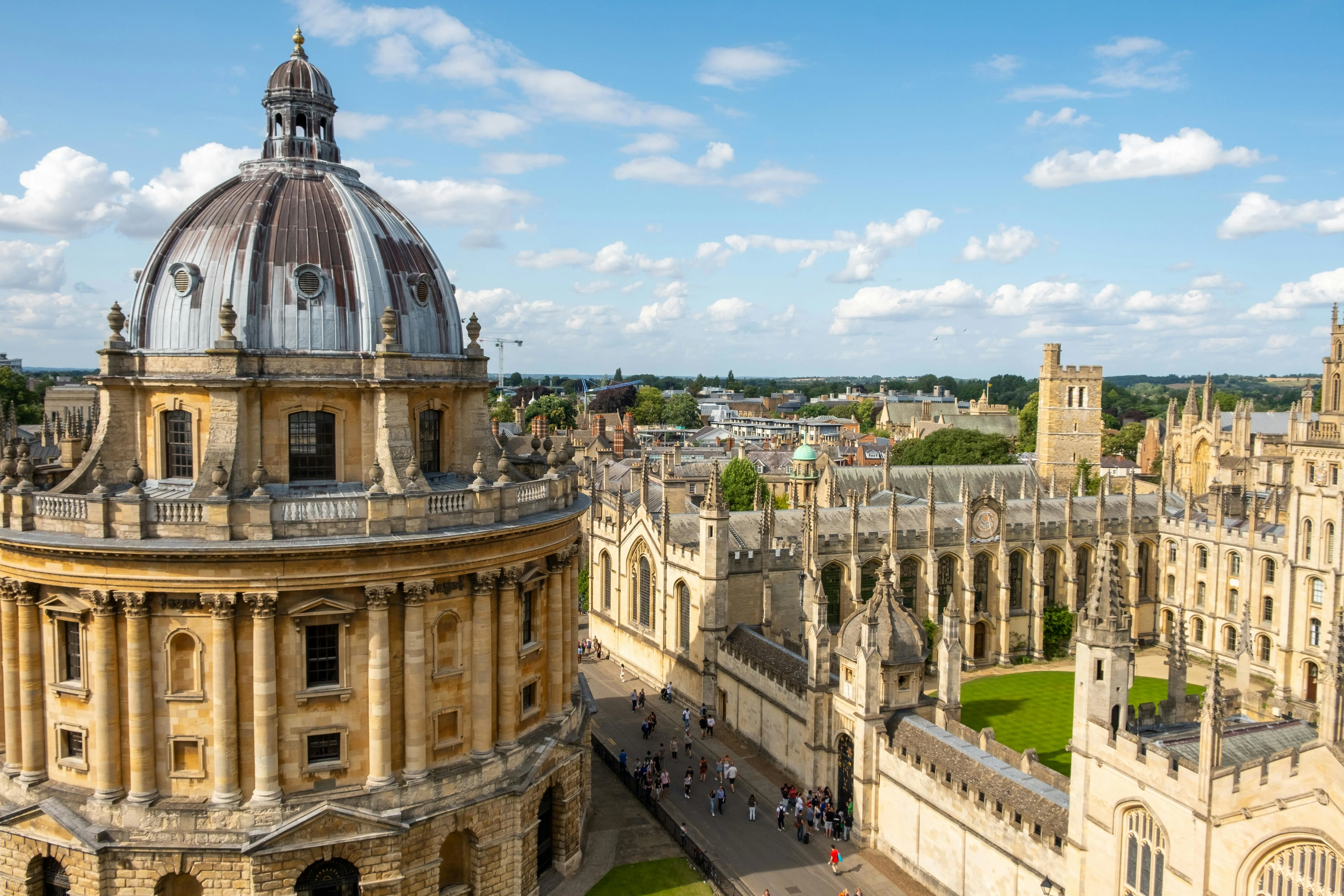
Oxford University Colleges: Where Spired Quadrangles Meet Student Life
I walk through the Radcliffe Square gate at 10:05 on a crisp Friday in early November. The air smells of woodsmoke and damp stone. Some colleges charge nothing to enter; others ask between five and ten pounds. Tower bells ring from three directions at once, each on its own rhythm. This is not a museum preserved behind glass. It is a living, working community—gowns hurrying to lectures, bicycles propped against medieval walls, books carried under arms. The past does not just live here; it breathes alongside the present.
Why Oxford University Colleges Matters
The university began as scattered scholars gathering in the 12th century. The first college, University College, was founded in 1249. Today 39 colleges form the university, each with its own identity, chapel, dining hall, and centuries of tradition. They have produced prime ministers, poets, scientists, and leaders across every field. Architecture ranges from plain medieval halls to ornate baroque facades, from Gothic chapels to modern libraries. That said, the system creates real inconsistency. Opening times shift weekly. Some colleges welcome visitors freely; others close entirely during exams and term. You may walk up to a beautiful gate only to find it locked with no explanation. Signs can feel abrupt. These places exist first for their students, not for tourists, and that priority shows clearly.
The Best Time to Experience Oxford University Colleges
January through March stay quiet but days are short; many colleges restrict entry to afternoons or close on Sundays. Late April through June brings blooming gardens but also exam season—most colleges limit access heavily or close certain courts entirely. July and August offer full opening hours and longer days, but crowds fill every lane and queues form at Christ Church and Magdalen. September balances good access and thinner crowds—12°C (54°F) to 19°C (66°F), golden light across stone, and most students have returned. October feels atmospheric—mellow light and thinning crowds. November through February sees reduced hours but you may find empty quadrangles and undisturbed views. Arrive before 10:00 a.m. to beat the day-trippers.
Approximate Budget for a 7-Day Trip
These figures cover one person exploring multiple colleges:
- Accommodation: £455 – £675 for a central room. Stay outside the ring road to save roughly one third.
- Food & Drink: £210 – £300. Market stalls and covered market cafés offer fair value; High Street and Broad Street spots charge premium rates.
- Local Transport: £25 – £45. The centre is compact; walking or cycling works best. Buses connect railway station and suburbs.
- Attractions & Entry Fees: £55 – £95. Christ Church £10–£14, Magdalen £8, others free or £3–£6.
- Miscellaneous: £40 – £85. Punting, books, gifts, and refreshments.
Total estimated budget: £785 – £1,200
The riverside punting companies charge £40–£50 per hour. Skip the guided ride. Rent a self-hire boat from the boathouse upstream for £22 per hour and drift beneath the bridges at your own pace.
Essential Oxford University Colleges Experiences
- Enter Christ Church and see Tom Quad. The largest quadrangle in Oxford, with a central fountain and great tower overhead. The scale is unmistakable. Skip this during term-time; entry may be restricted and you see only a fraction of the site.
- Walk Magdalen College grounds and tower. Deer park, river walks, and one of the finest views from the tower roof. Steps are steep and narrow. Skip this if you dislike confined spaces or heights; the spiral climb feels unrelenting.
- Stand in Radcliffe Square between colleges. The circular Radcliffe Camera sits surrounded by Bodleian Library buildings and college facades. Light changes how the stone looks—golden morning, soft afternoon, warm sunset. It feels the heart of the city.
- Visit the Bodleian Library quadrangle. Even if you do not tour the interior, the gate and courtyard show the medieval university at its most formal. Books have been kept here for four centuries. Respect quiet zones—sound carries intensely.
- Cross the Bridge of Sighs at Hertford College. The covered arch connects two parts of the college over New College Lane. It appears in countless photos but feels different in person—smaller, quieter, framed by ancient walls.
- Walk the grounds of New College. Cloisters, chapel, and wide lawns sit hidden down a narrow lane. The medieval walls feel almost untouched. Few first-time visitors find it, yet it defines Oxford’s character as well as any famous site.
Hidden Gems Most Travelers Miss
- Exeter College near the city centre has a peaceful chapel and quiet quadrangle. It inspired parts of Tolkien’s descriptions of Middle-earth. Entry is free and rarely crowded.
- The Turf Tavern alleyway beside New College Lane runs beneath the old city wall. It leads to a historic pub with stone seating and hidden courtyards. Most people walk straight past the entrance.
- St Edmund Hall’s boat-house and river garden offer quiet seating and water views. The college sits tucked away and its riverfront sees almost no tourists.
- The main entrance at Christ Church draws long queues and feels overrated on weekends. Walk five minutes to the Meadow Building gate instead; entry costs less and leads straight to the river and quiet paths.
Cultural & Practical Tips
- Check individual college websites daily. Opening times change without notice for exams, events, or weather.
- Respect closed signs. They are not meant to keep you out—students are studying, meeting, or eating behind them.
- Keep voices low. Sound echoes across empty courts and through open windows. A normal conversation carries far in stone space.
- Do not block gateways or paths. Students cycle fast and need clear space to pass.
- Wear comfortable shoes. Cobblestones and uneven flagstones cover every lane and court; heels are impractical and dangerous.
- Do not touch carvings, gates, or glass. Ancient stone degrades quickly from constant contact.
Essential Visitor Information
Location & Access: Central Oxford. 60–90 minutes by train from London Paddington or Marylebone; 20 minutes’ walk from Oxford station; use city centre park-and-ride or multi-storeys—no casual parking in central zones.
Tickets & Booking: Entry varies—many colleges free; Christ Church £10–£14; Magdalen £8; others £3–£6. No single pass covers all colleges. Booking recommended for Christ Church in summer.
Operating Hours: Generally 10:00 to 17:00 in vacation; restricted hours during term. Many close Sundays or afternoons. Exact times differ by college.
Visit Duration: Allow a minimum of half a day. Two full days lets you explore major sites plus quieter colleges without rushing.
Family Suitability: Excellent on paths and lawns. Pushchairs work on main routes; some chapels and cloisters have narrow doorways. Restrooms at larger colleges and public museums.
Timing: Before 10:00 offers best light and space. Late afternoon from 15:30 sees day-trippers leave and golden light fall across stone.
Highlights: Christ Church Tom Quad, Magdalen tower and gardens, Radcliffe Square, Bodleian quadrangle, Hertford Bridge of Sighs, and New College cloisters.
Nearby & Day Trip: Blenheim Palace is 20 minutes northwest. Cotswold villages start 30 minutes west. Stratford-upon-Avon lies 45 minutes northwest.
Conclusion: Travel with Respect, Not Just Sightseeing
These colleges are not frozen exhibits. They are places where people work, study, and live. Gates close. Lawns are private. Some things you will not see. That is not unfair. It is how this place survives. Walk gently. Look from outside where you must. When you enter, move quietly. What will you notice most—the famous spires, or the quiet life that continues around them?
Comments
Post a Comment