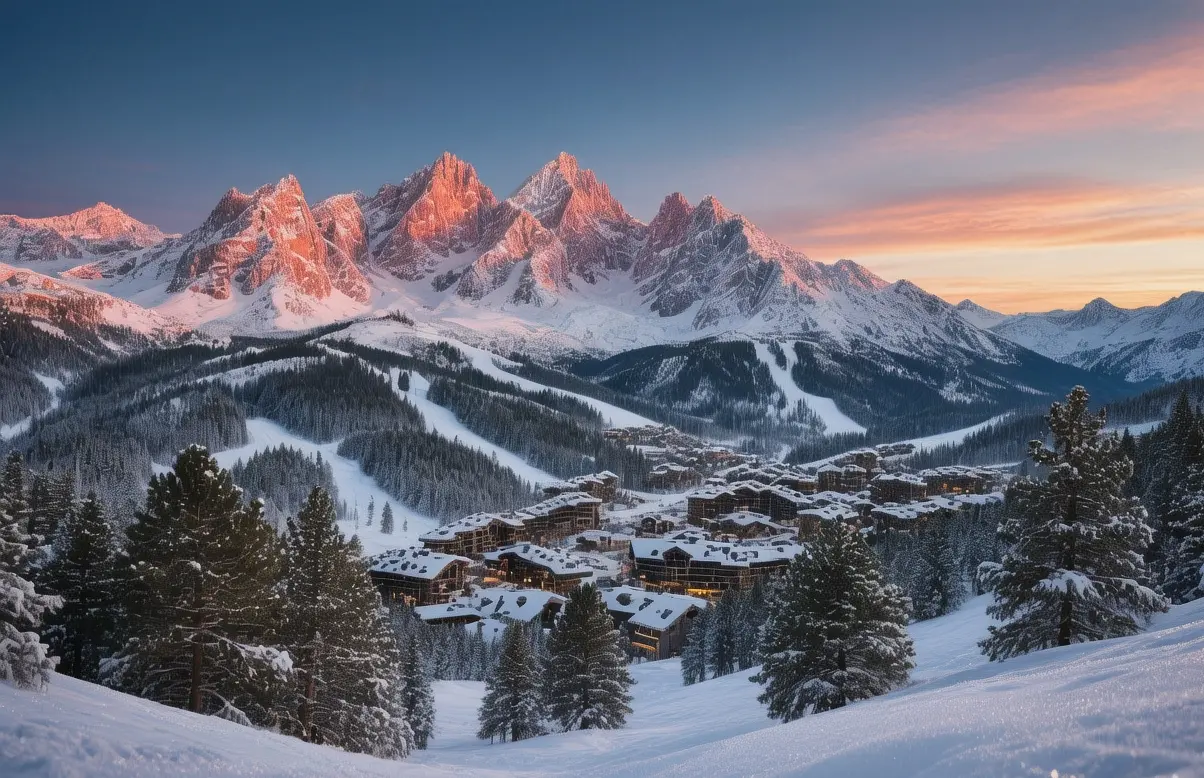
Pyrenees Ski Resorts: Where High Peaks Meet Valleys of Stone
I stand at the top of a run at ten in the morning. Snow crunches crisp under my boots. A one-day lift pass costs around fifty euros. I adjust my goggles and look out. Ranges stretch in every direction — sharp, white, and endless. The air feels thin and cold. Pines stand dark green below the treeline. A distant skier carves a slow curve across an open face. Not everything stays perfect. Wind can close high lifts without warning. Queues form at popular chairs after 11:00. Some lower runs turn slushy by early afternoon. Yet the scale humbles you. These mountains have stood here long before pistes were cut.
Why Pyrenees Ski Resorts Matter
The Pyrenees form the natural border between Spain and France. Skiing here began in the early 20th century, growing from local mountain huts to connected resort networks. Today the region offers hundreds of kilometres of slopes across both sides of the range. Resorts sit at elevations from 1,200 to over 2,600 metres. You find everything from gentle beginner runs to steep off-piste terrain and cross-country trails. The Pyrenees feel less crowded than the Alps. Prices stay lower too. That accessibility matters. But the region faces real challenges. Snow reliability shifts year by year. Lower resorts see thinner cover earlier in the season. Infrastructure ages in places. Some connections between areas feel slow or poorly signed. Still, the Pyrenees deliver something different — wilder surroundings, quieter slopes, and strong local culture.
The Best Time to Experience the Pyrenees
January through March offers the most reliable snow. Temperatures sit between -4°C and 6°C (25°F–43°F) at resort base. Higher up it stays colder — around -8°C to -2°C (18°F–28°F). February brings the deepest cover but also the busiest weeks. Early December and late March can be pleasant — 0°C to 8°C (32°F–46°F) — but snow conditions vary. Lower runs may close or thin out. April is quieter and cheaper. Sunny days feel warm. Only highest-altitude resorts stay fully open. Weekdays beat weekends. Saturday and Sunday visitors arrive from nearby cities. Mid-January offers the best balance of good snow and thinner crowds.
Approximate Budget for a 7-Day Trip
- Accommodation: Self-catered apartment — 350–600 euros per week. Guesthouse or hostel — 25–45 euros per person nightly. Mid-range hotel — 70–130 euros per night. Mountain refuge — 30–50 euros half-board.
- Food: Lunch on mountain — 12–18 euros. Dinner at village restaurant — 18–32 euros. Self-catered meal — 6–10 euros per person. Hot chocolate — 3–5 euros.
- Transport: Bus from nearest city — 10–18 euros return. Car rental — 35–60 euros per day. On-site parking — 5–10 euros daily. Airport transfer — 40–70 euros one way.
- Lift Passes: Single resort — 45–55 euros per day. Multi-area pass — 55–70 euros per day. 6–7 day pass — 240–340 euros. Equipment rental — 12–25 euros daily.
- Miscellaneous: Gloves, goggles, snacks — 10–18 euros daily.
Total estimated for one person, 7 days: 550–950 euros
On-mountain dining carries a clear premium. A simple sandwich can cost 8 euros. Pack a lunch from the village supermarket. It saves money and lets you eat wherever the view looks best.
Essential Pyrenees Ski Experiences
- Take the highest lift and look across the range. From 2,500 metres you see peaks in both Spain and France. On clear days the Mediterranean glints far to the east. The scale astonishes you. Skip this if wind speeds are high — exposed ridges become dangerous.
- Explore connected resort networks. Areas like Baqueira-Beret, Formigal, and Andorra’s Grandvalira link valleys and villages. You can ski all day without crossing the same run twice. Give yourself two days to cover the best sections.
- Try a tree-lined intermediate run. Pines frame wide, well-groomed trails. The scenery feels different from open alpine faces. Light filters through branches and changes constantly. These runs stay sheltered when wind blows higher up.
- Visit a mountain restaurant off the main pistes. Family-run places serve hearty stews, grilled meat, and local cheese. Portions are generous and prices fair. You need to ski or walk a short distance to reach them.
- Walk or snowshoe above the treeline. Quiet paths leave from upper stations. Silence returns beyond the groomed runs. The views stay open and dramatic. Go with a guide or stick to marked trails.
- Spend an evening in a valley village. Cobbled streets, stone buildings, and warm bars. The atmosphere feels relaxed and welcoming. It grounds the trip in local life rather than just resort amenities.
Hidden Gems Most Travelers Miss
- Valle de Aran. A green, broad valley on the northern side. Baqueira sits here but the quieter villages — Vielha, Salardú — hold their own charm. Old stone churches and local cider bars feel authentic.
- La Molina and Masella. Connected resorts on the eastern side. Smaller, friendlier, less crowded. Great for families and intermediate skiers. The atmosphere feels personal and calm.
- The so-called "premium sector" marketed as exclusive. It often has the same views and similar runs as neighbouring areas at higher prices. If you are on a budget, stick to the main zones.
Cultural & Practical Tips
- Check snow reports daily. Conditions change fast. A run open yesterday may be closed today. Wind can shut high lifts without notice. The resort app or local radio gives the latest updates.
- Do not rely entirely on one resort. Buy a multi-area pass if you can. It gives flexibility when conditions shift. Some areas hold snow better than others depending on sun and wind.
- Arrive early. Parking fills by 9:30 on weekends and holidays. Queues at rental desks and lifts build fast. Be at the ticket office before 9:00 to collect passes without rushing.
- Wear layers and waterproof everything. Weather turns in minutes. Sun, rain, wind, and snow can all happen in one afternoon. Neck gaiters and warm gloves matter more than you expect.
- Respect boundaries. Closed runs are shut for a reason — avalanche risk, thin cover, or dangerous terrain. Do not duck ropes. Local rescue teams are small and respond slowly.
- Book accommodation months ahead for February and Easter. Prices double and places sell out. Early January or late March offer better value and thinner slopes.
Essential Visitor Information
Location & Access: Pyrenees, between Spain, France, and Andorra. Spanish side: Lleida and Girona provinces. French side: Haute-Garonne, Hautes-Pyrénées, Ariège. Andorra: Canillo, El Tarter, Soldeu, Pas de la Casa. From Barcelona: 2.5–3 hours by car. From Toulouse: 1.5–2 hours. Zaragoza: 2–2.5 hours. Nearest airports: Barcelona, Toulouse, Lleida.
Tickets & Booking: Single resort day pass — 45–55 euros. Multi-area — 55–70 euros. 6-day pass — 240–340 euros. Book online for 5–10% discount. Equipment rental — 12–25 euros daily, 60–110 euros per week.
Operating Hours: Lifts — 9:00 to 17:00 roughly. Shorter hours in December and March. Some high lifts close 16:00. Season generally runs late November to mid-April, depending on snow.
Visit Duration: Minimum 3 days. 5–7 days lets you explore different valleys, rest, and adapt to altitude without rushing.
Family Suitability: Excellent. Most resorts have gentle beginner zones, magic carpets, and ski schools. Childcare available at larger centres. Strollers work in villages but not on snow.
Timing: Best season — January to early March. Best time of day — before 10:00 for fresh tracks, after 14:30 for shorter queues.
Highlights: Cross-border views, tree-lined intermediate runs, quiet valleys, mountain refuge meals, village evenings.
Nearby & Day Trip: Andorra shopping — 30–45 minutes from Spanish resorts. Tarragona coast — 2.5 hours south. Girona — 2 hours east. Lourdes — 1.5–2 hours from French side.
Conclusion: Travel with Respect, Not Just Speed
The Pyrenees feel different from larger mountain ranges. They hold quieter slopes, older trees, and stronger local character. But they also face changing weather and uncertain snow. Before you leave, pause at the top of a run and look beyond the pistes. What will you do to help these mountains stay wild for the next generation?
Comments
Post a Comment