Ronda Bridge: Where Stone Engineering Meets Andalusian History
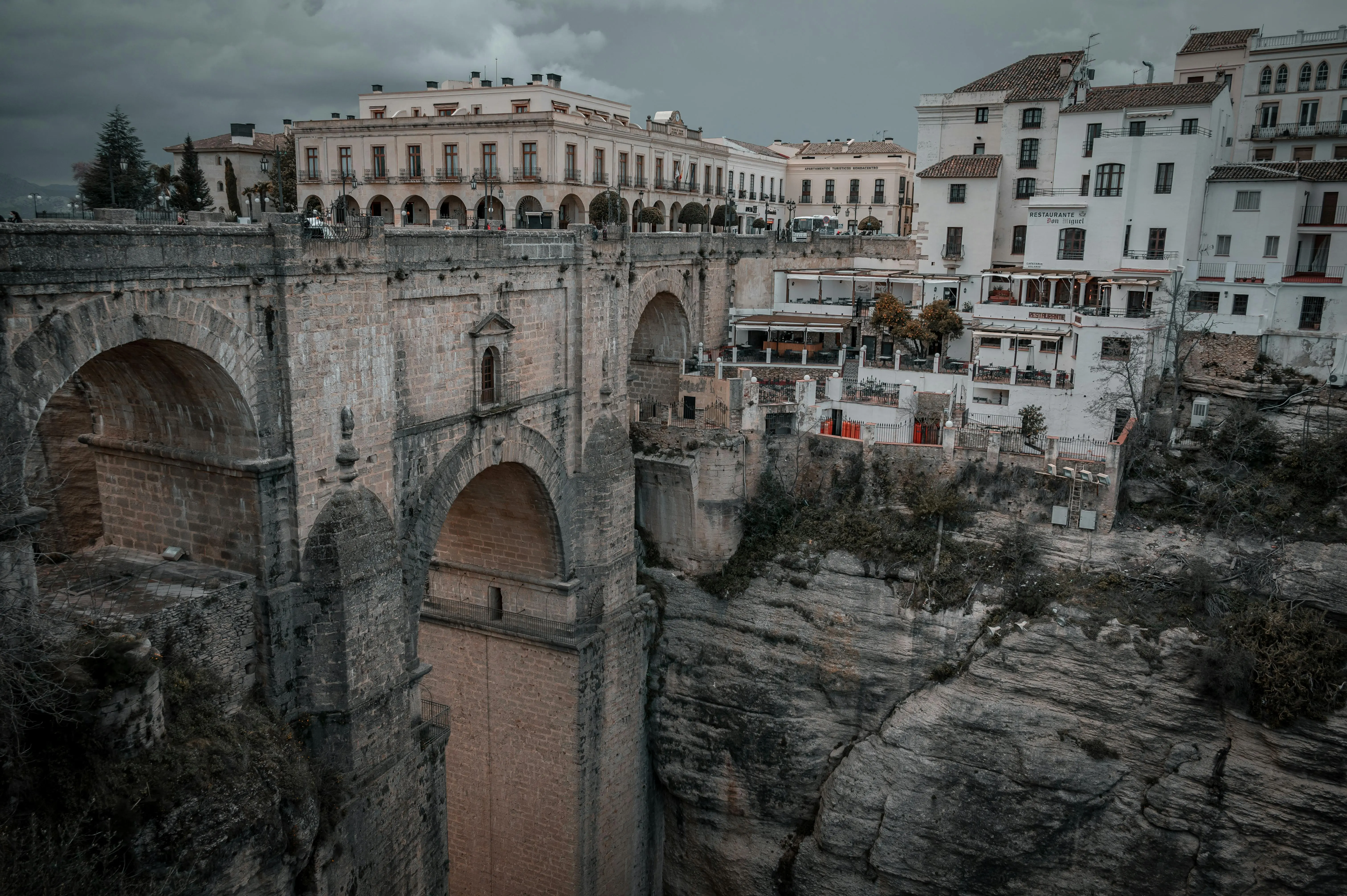
At 8:15 in the morning, I stood halfway across Ronda Bridge with a €2.50 ticket folded in my pocket and the smell of fresh coffee drifting from a nearby café. Traffic moved slowly across the stone roadway, so I waited for a clear moment before looking down into El Tajo Gorge. The Guadalevín River was almost hidden below, reduced to a dark thread between pale rock walls. Ronda Bridge, officially called Puente Nuevo, is not a quiet monument. Cars cross it, visitors stop for photographs, and guides gather groups beside the railings. That everyday movement is part of its appeal. The bridge remains useful, not just decorative. Inside, a small interpretation centre explains its construction and the older crossings it replaced. The visit takes less than an hour, but Ronda deserves longer. Stay overnight if possible. The town feels far more relaxed after day-trip coaches leave, especially around the gorge viewpoints and the old quarter.
Why Ronda Bridge Matters
Ronda Bridge is the defining landmark of Ronda, but its importance goes beyond its dramatic setting. The present bridge was completed in 1793 after years of difficult construction above the Guadalevín River. It connected the historic La Ciudad quarter with El Mercadillo, making movement across the gorge much easier as the town expanded.
The bridge also explains Ronda’s unusual layout. On one side are the old Moorish streets, churches, palaces, and remnants of the city walls. On the other are newer streets, shops, the bullring, and the main hotel area. Crossing the bridge means moving between two distinct parts of the town in a few steps.
Inside Puente Nuevo, the interpretation centre gives useful context about the bridge, the gorge, local geology, and earlier construction attempts. It is small, though. Visitors expecting a large museum may find the €2.50 admission slightly high for a short visit. The free views from the bridge and nearby balconies are the main reason to come.
Ronda Bridge also carries a difficult historical association. The structure and gorge were used in stories about violence during the Spanish Civil War, though some popular accounts have been exaggerated over time. A good local guide can separate documented history from legend.
The Best Time to Experience Ronda Bridge
The most comfortable travel periods are 15 March to 31 May and 20 September to 31 October. Daytime temperatures usually range from 18°C to 27°C, or 64°F to 81°F. These months provide comfortable walking weather without the hardest summer heat.
June is still manageable, with typical daytime temperatures around 27°C to 32°C, or 81°F to 90°F. July and August can reach 34°C to 38°C, or 93°F to 100°F. Walking down toward the gorge in full afternoon sun is unpleasant, and the steep return climb is harder than it first appears. Visit before 10:00 in the morning or after 18:00 instead.
December through February is cooler, usually 12°C to 18°C, or 54°F to 64°F during the day. Rain can make the gorge paths slippery, but winter brings fewer crowds and better hotel deals. January evenings can feel cold, particularly on exposed viewpoints.
For photographs, arrive between 8:00 and 9:30 in the morning, or return during the final hour before sunset. Midday light is harsh, and the bridge can become crowded with tour groups. Easter week and major Spanish public holidays bring higher prices and limited restaurant availability.
Approximate Budget for a 7-Day Trip to Ronda
A seven-day stay in Ronda works best as part of a wider Andalusia trip. The town itself is walkable, but staying a full week allows time for nearby villages, wineries, and mountain walks.
- Accommodation: €420 to €980 for seven nights in a simple guesthouse or mid-range hotel. Prices rise sharply during Easter, summer weekends, and local festivals.
- Food: €245 to €420 for casual breakfasts, tapas lunches, and sit-down dinners. A useful daily target is €35 to €60 per person.
- Transport: €70 to €180 for local buses, regional trains, taxis, and one or two longer journeys. A rental car adds roughly €180 to €350 before fuel.
- Attractions: €45 to €110 for the bridge interpretation centre, bullring, Arab Baths, palace museums, guided walks, and the gorge path.
- Miscellaneous: €70 to €140 for coffee, snacks, parking, small purchases, and occasional taxi rides.
Estimated total for one traveller: €850 to €1,830. A couple sharing a room can usually spend less per person. Parking near the historic centre is often overpriced during busy periods. Leave the car at a larger public car park and walk rather than paying for a central hotel space. Restaurant terraces directly facing the bridge also charge more for the view, while streets a few minutes away usually offer better-value menus.
Essential Ronda Bridge Experiences
- Cross Puente Nuevo on foot: Walk slowly from Plaza de España and pause beside the central arches. The roadway is open to traffic, so keep close to the side.
- Visit the interpretation centre: Descend the steps on the north side of the bridge for a short display about construction, history, and the gorge.
- Walk to Mirador de Aldehuela: This viewpoint sits beside the bridge and gives a clear look across the gorge toward the surrounding hills.
- Descend from Plaza María Auxiliadora: The path leads toward the base of the bridge and provides the most memorable angle from below. Wear shoes with firm soles.
- See the bridge after dark: The lighting gives Puente Nuevo a different character, though the surrounding streets can be quiet late at night.
- Combine it with the old town: Continue toward Mondragón Palace, Santa María la Mayor, and the old city walls rather than treating the bridge as a single photo stop.
- Skip the gorge descent if: You have mobility limitations, poor footwear, or extreme heat. The route down is steep, uneven, and more demanding on the return.
Hidden Gems Most Travelers Miss
- Jardines de Cuenca: A series of terraces on the opposite side of the gorge with changing views of Puente Nuevo.
- Casa del Rey Moro gardens: The historic building has a dramatic water staircase, although access may vary with maintenance and opening arrangements.
- Puerta de Almocábar: One of the most interesting remaining entrances to Ronda’s medieval quarter.
- Acinipo Roman ruins: Located outside town, these quiet ruins include an ancient theatre and broad views across the countryside.
- Ronda’s old flour mills: The lower gorge area preserves traces of the mills that once used the river and channel system.
- Plaza Duquesa de Parcent: A leafy square surrounded by historic buildings and far less hurried than the main bridge viewpoint.
- The main bridge viewpoint at midday: It is famous for good reason, but it is also overrated at peak hours. The glare, traffic, and crowds make the lower gorge or Cuenca Gardens better choices.
Cultural & Practical Tips
- Wear shoes with a firm grip. Ronda has polished stone streets, steep lanes, and uneven paths.
- Do not stand in the roadway for photographs. Cars and taxis cross Puente Nuevo throughout the day.
- Book accommodation early for Easter, long weekends, and spring festivals. Last-minute rooms can be expensive or far from the centre.
- Ask whether a restaurant’s terrace has a minimum spend before sitting down. Bridge-facing tables often carry a noticeable premium.
- Carry water when walking into the gorge. Shops are limited once you leave the central streets.
- Lunch is usually easier to find between 13:00 and 15:30. Dinner often starts later than many international visitors expect.
- Keep voices low near churches and residential lanes, especially in the old quarter. Tourist groups can make narrow streets uncomfortable for residents.
Essential Visitor Information
Location & Access: Puente Nuevo, Plaza de España, 29400 Ronda, Málaga, Spain. Approximate GPS: 36.7424, -5.1671. The bridge is about 110 kilometres from Málaga, 130 kilometres from Seville, and 85 kilometres from Marbella. You can arrive by regional bus, train via Ronda station, or rental car. Ronda station is roughly 1.5 kilometres from the bridge, while the main bus station is about 900 metres away.
Tickets & Booking: Crossing the bridge is free. The Puente Nuevo Interpretation Centre costs approximately €2.50 for adults, with reduced admission for some groups and free entry for children under 14. Booking is not normally needed for the bridge or interpretation centre. The paid gorge walkway currently costs about €5 and may have separate access arrangements.
Operating Hours: The bridge itself is open at all hours, subject to normal public access and traffic conditions. The interpretation centre generally opens from 10:00, with a midday break on some days and shorter hours on Sundays. Seasonal changes and maintenance closures can occur, so check locally on the day.
Visit Duration: Allow 20 to 30 minutes for the bridge and nearby viewpoints. Allow 60 to 90 minutes if visiting the interpretation centre and walking to Mirador de Aldehuela. A gorge descent usually takes two to three hours, including the climb back.
Family Suitability: Children can enjoy the bridge and viewpoints, but railings and traffic require close supervision. Stroller access is reasonable across the bridge but poor on gorge paths and older streets. Public toilets, cafés, and restaurants are available near the central squares, though facilities become scarce below the bridge.
Timing: The best seasons are spring and early autumn. Visit before 10:00 or after 18:00 for cooler temperatures and fewer tour groups. Sunset is popular, but arrive early if you want a clear position at the main viewpoints.
Highlights: The central arch of Puente Nuevo, Mirador de Aldehuela, the interpretation centre, Jardines de Cuenca, and the gorge path from Plaza María Auxiliadora are the essential stops.
Nearby & Day Trip: The bullring is about 600 metres away, Mondragón Palace is roughly 700 metres away, the Arab Baths are about 1.2 kilometres away, and Setenil de las Bodegas is approximately 20 kilometres by road. Setenil works well as a half-day trip by car or organised tour. Grazalema and the white villages are possible day trips, but public transport is limited and a car makes the route much easier.
Conclusion: Travel with Context, Not Just a Photograph
Ronda Bridge deserves more than a quick stop for a phone picture. Its scale is impressive, but the real pleasure comes from understanding why it was built, how it changed the town, and how daily life still moves across it. Walk the bridge early, visit the small interpretation centre, then take the slower route through Ronda’s old quarter and down toward the gorge. Avoid paying extra for the first terrace with a view, and leave time for a proper meal away from the busiest square. If you can stay overnight, do so. The bridge feels very different once the day visitors have gone.
Comments
Post a Comment