Sardinia: Where Island Heritage Meets Wild Coast
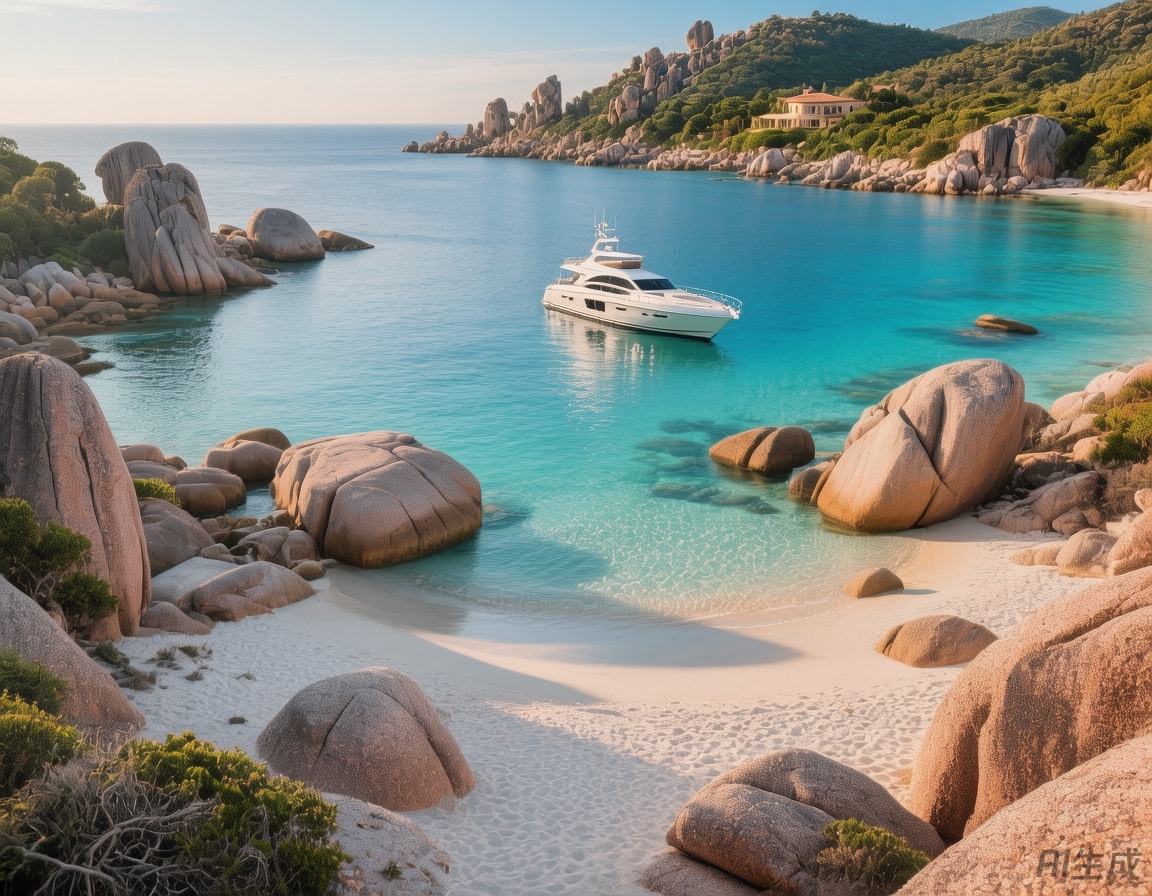
I stand on a granite headland at 8:00 on a July morning. The wind carries wild lavender and salt. An espresso costs one euro forty at the roadside bar below. I look out across the island — pale sand curving beside turquoise water, stone villages clinging to hills, and mountains rising dark and green in the distance. Sardinia stands apart in the Mediterranean — shaped as much by its people as by wind and sea. Nuragic fortresses, Genoese towers, and long empty beaches lie side by side. People come for the shore. They find a place where history lives in every stone and the land still guards its secrets.
Why Sardinia Matters
This island has been a crossroads and a sanctuary for thousands of years. The Nuragic civilisation built unique stone towers across the highlands from 1900 BCE onward — structures found nowhere else in Europe. Later Phoenicians, Carthaginians, Romans, and medieval powers all left their mark, yet Sardinia kept its own language, traditions, and way of life. Today it holds some of the cleanest waters, oldest woodlands, and most intact heritage in the Mediterranean. That beauty brings real pressure. Popular coastlines fill fast in summer. Prices rise sharply. Some quiet corners feel crowded. The island balances protection with welcome — and that balance is fragile.
The Best Time to Experience Sardinia
Late April through June brings fresh foliage, blooming flowers, and thin crowds. Temperatures sit between 12°C and 23°C (54°F–73°F). Hiking feels comfortable and beaches stay quiet. July and August warm to 20°C and 31°C (68°F–88°F). Coastlines fill completely and interior valleys feel hot. September offers calm seas, golden light, and thinner crowds — 17°C to 28°C (63°F–82°F). The water stays warm and the pace softens. October remains mild — 14°C to 24°C (57°F–75°F) — and autumn colours spread across the hills. Winter holds cool, quiet days: 7°C to 15°C (45°F–59°F). Mountain sites may close and some coastal services pause. Arrive before 9:00 AM any time of year to have the best places to yourself.
Approximate Budget for a 7-Day Trip
Prices below are per person, in euros, based on mixed coastal and inland stays.
- Accommodation: 7 nights in guesthouses or family-run B&Bs — €70–145 per night. Total: €490–1,015. Staying inland or slightly back from famous beaches costs 30–45% less; driving to shore takes 15–30 minutes.
- Food & Drink: Breakfast, two meals daily — €32–58 daily. Total: €224–406. Restaurants directly on postcard beaches charge premium prices; walk one street back or eat in village centres for authentic meals at fairer rates.
- Transport & Access: Car rental €35–60 daily; archaeological site entry €4–10 each; boat trips €15–35. Some remote beaches have no public transport — a car is essential.
- Activities: Hikes, museum visits, day trips — €35–80.
- Miscellaneous: Water, sturdy shoes, sun protection — €15–25.
Total estimated 7-day cost: €805–1,595
Luxury seafront resorts carry a very large premium. Similar accommodation in nearby villages costs 40–55% less and the shore is still a short drive away. The "Sardinia All-Inclusive Private Coast & Heritage Tour" is overpriced; the same beaches and sites are open to everyone and self-drive gives you freedom to stay longer where you like.
Essential Sardinia Experiences
- Nuragic Settlement Visit — Walk among stone towers that have stood for four thousand years. They rise across the island — silent, solid, unlike anything elsewhere. You see how communities lived, worked, and defended themselves. Skip if you dislike uneven ground; most sites have rough paths and little shade.
- East Coast Hidden Coves — Reach the Gulf of Orosei by boat or on foot. White sand, clear water, and sea caves wait below high limestone cliffs. No road comes here — the effort is part of the reward. Arrive early and bring everything you need.
- Interior Mountain Villages — Drive the high roads through Gennargentu. Stone houses, grazing flocks, and slow-paced life feel unchanged. Stop for simple meals — pasta, slow-cooked lamb, local cheese, and bread. This is the island’s heart.
- West Coast Ancient Ports — Explore Tharros and Nora, where Phoenician and Roman ruins meet the sea. Stones lie half-buried in sand and the light glows warm across the water. History does not feel distant here — it feels present.
- North-Western Coast & Asinara — Visit Stintino and the former prison island of Asinara. Wild horses, white donkeys, and empty beaches thrive where people were once kept out. It shows how nature recovers when given space.
- La Maddalena Archipelago — Sail between granite islets off the north-eastern tip. Pink shores, translucent water, and quiet coves reveal why this stretch is protected. Go beyond the main beaches to find the real magic.
Hidden Gems Most Travelers Miss
- The south-western coast around Chia and Crabonaxa has wide dunes, quiet coves, and ancient ruins. It feels more open and less crowded than the north or east. Stay late and watch the light change across the dunes.
- Tiscali Village sits inside a limestone sinkhole deep in the mountains — an ancient settlement hidden by the land itself. The hike takes effort but rewards you with silence and wonder. Very few visitors make the journey.
- Orgosolo’s murals tell stories of struggle, solidarity, and justice across decades. They are not tourist attractions — they are the living voice of a community. Walk slowly and read carefully.
- The "Sardinia Exclusive Luxury Beaches & Heritage" package is overpriced. The island’s most beautiful spots are public and free. The real secret is simply going where fewer people go — and arriving early.
Cultural & Practical Tips
- Carry a good map. Many of the best roads are unmarked or poorly signed. Phone signal vanishes in the mountains. Learn to read the landscape and carry paper backup.
- Respect the land and its owners. Dry-stone walls, sheepfolds, and ancient tracks belong to people who have tended this ground for generations. Close gates, stay on paths, and do not disturb flocks.
- Do not touch or remove anything. Pottery shards, stone fragments, and shells belong here. Taking even one small item damages the island’s heritage and is illegal. Leave everything exactly as you found it.
- Book accommodation 2–3 months ahead in July and August. Popular coasts and mountain villages fill completely. Last-minute choices will be limited and expensive.
- Eat where locals eat. The best meals are not on the seafront with menus in six languages. They are in quiet lanes, in simple rooms, where food is made from recipes passed down through families.
- Respect siesta. Many shops, museums, and services close between 1:00 PM and 4:00 PM. This is not inefficiency — it is part of the island’s rhythm. Rest when they rest, then enjoy the evening late.
- Drive carefully. Roads curve steeply, narrow unexpectedly, and change surface without warning. Take your time — the destination will still be there.
Essential Visitor Information
Location & Access: Sardinia, Mediterranean Sea, Italy. Coordinates roughly 40.0000° N, 9.0000° E. Three ways to arrive: flight to Cagliari, Olbia, or Alghero; ferry from mainland Italy or Sicily; private boat. Car rental is strongly recommended to explore fully.
Tickets & Booking: Beaches free. Archaeological sites €4–10 each. Boat trips €15–35. Reserve accommodation and popular ferries well ahead in summer.
Operating Hours: Island always accessible. Most sites open roughly 9:00 AM to 7:00 PM in summer; shorter hours off-season. Many close one day weekly — typically Monday.
Visit Duration: Minimum 7 days. Recommended 10–14 days to explore coasts, mountains, and heritage sites without rushing. Sardinia is larger than it looks.
Family Suitability: Excellent overall. Water is shallow and calm near most beaches. Interior sites demand more effort — prepare sturdy shoes, extra water, and patience.
Timing: Best seasons are late April to June and September. Best time of day is before 9:00 AM or late afternoon.
Highlights: Nuragic towers, Gulf of Orosei coves, Gennargentu mountains, Phoenician-Roman ruins, Asinara wildlife, La Maddalena islets, village meals, golden sunsets.
Nearby & Day Trip: Corsica — 50 mins by ferry. Sicily — 3 hours by ferry. Italian mainland — 5–7 hours by ferry.
Conclusion: Travel as Guest, Not Just Visitor
Sardinia gives you beauty that has survived thousands of years of change. You can see the sights and leave. Or you can drive slowly, eat simply, respect the land, and remember — this island does not exist for visitors. It has its own life, its own people, its own quiet strength. Protecting it is the best souvenir you can take home. What is the one island you would visit promising to leave it stronger than you found it?
Comments
Post a Comment