Solingen Blade Museum: Where Sharp Steel Meets Living Craft
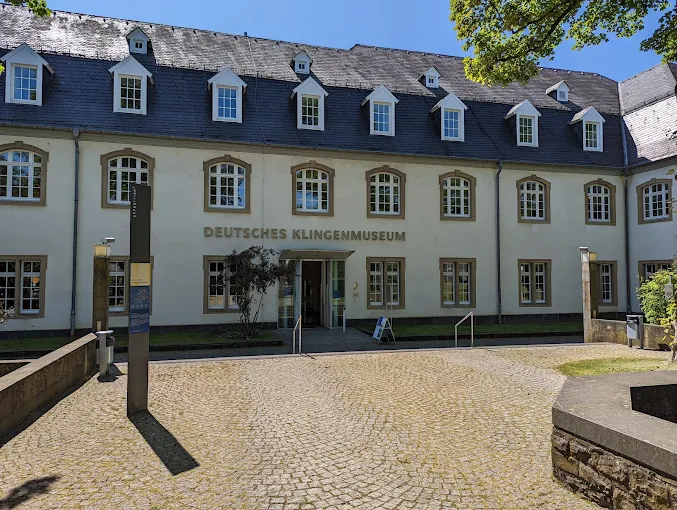
I walked through the monastery courtyard at half past ten on a Thursday morning. Sunlight filtered through old stone arches. I paid seven euros at the desk. The first display held a simple stone knife, sharpened by someone thousands of years ago. I expected rows of weapons behind glass. What I found traced every edge human beings have ever made — scissors, razors, medical tools, table cutlery, swords. Not everything gleams. Some pieces show wear. That is what makes them real.
Why Solingen Blade Museum Matters
This holds the largest cutlery collection on earth. It began in 1904 as a teaching reference for local metalworkers. Today more than 3,000 years of craft fill a former Augustinian monastery in Gräfrath. Solingen blades have reached every continent since medieval times. The museum shows how this trade shaped the city and how the city shaped the trade. It covers ceremonial gifts, fashion accessories, kitchen tools, and weapons equally. One honest criticism: some sections rely heavily on text panels. Visitors with limited reading stamina may lose focus. The children’s gallery runs separately and can feel crowded during school holidays. You will not find many hands-on stations for adults. That said, the depth of genuine material outweighs these limits.
The Best Time to Experience Solingen Blade Museum
Indoor temperature stays steady around 20°C / 68°F year-round. May through October: Tuesday to Sunday 10:00 to 17:00. Weekday mornings offer quietest rooms. Arrive before 11:00. Afternoons bring school groups and families. November through April: same hours but fewer visitors overall. January and February feel especially still. The first Sunday of each month offers free entry between 14:00 and 16:00. That draws large crowds. Go another day if you want space to think. Summer months see highs of 15°C to 24°C / 59°F to 75°F outside; winter drops to 2°C to 7°C / 36°F to 45°F.
Approximate Budget for a 7-Day Trip
Costs below are per person based on staying in Solingen or nearby.
- Accommodation: 427 euros — Clean room in a guesthouse within walking distance of Gräfrath. Hotels right beside the main train station charge 170 euros or more per night and feel overpriced; stay in the old district for quieter streets and genuine character.
- Food: 252 euros — Local bakeries, market meals, and one evening meal out daily.
- Transport: 98 euros — Regional rail and city bus network pass.
- Attractions: 49 euros — Museum entry plus factory tour and nearby sights.
- Miscellaneous: 55 euros — Small purchases, parking, and unplanned needs.
Total: 881 euros. Branded knives sold in the museum shop carry premium pricing. Buy a postcard or locally made jam instead. They cost far less and support the area directly.
Essential Solingen Blade Museum Experiences
- ME FECIT SOLINGEN Gallery — The story of how one city became the world centre of blade making. Interactive stations show medieval guild rules, water power, and export routes. Skip if you have very little time; head straight to the collections instead.
- World Cutlery Collection — Dining sets fit for emperors alongside everyday tableware from across five centuries. Notice how design changed with fashion, material availability, and trade. Some pieces feel surprisingly modern.
- Japanese and International Swords — Blades from traditions far beyond Germany. Compare folding and tempering methods across cultures. Labels explain purpose as well as beauty. The difference between fighting and ceremonial pieces becomes clear.
- Everyday Sharp Tools — Scissors, shears, razors, and medical instruments. These objects quietly shaped daily life. The craftsmanship matches any weapon on display. This section often feels overlooked; spend time here.
- Monastery Church Treasury Wing — Gold and silver liturgical pieces from Gothic and Baroque periods. Fine metalwork applied to sacred use. The rooms themselves feel calm and separate from the main galleries.
- Dragon and Magic Sword Children’s Gallery — Designed for younger visitors but worth a look if you want to see how craft is explained to new generations. It sits apart from the main flow and can be missed.
Hidden Gems Most Travelers Miss
- Museum Library Reading Room — A quiet space with books on metallurgy, design, and craft history. No one directs you here. Ask at the desk if you want to sit and browse.
- Monastery Herb Garden — Behind the building, a small plot grows plants historically used for steel tempering and treatment. Signs explain each use. It sits almost entirely unnoticed.
- Gräfrath Lane Loop — Cobbled streets around the museum hold old workshops and blade-maker houses. The so-called “historic forge” nearby is often overrated; it operates only on scheduled days and may be closed when you arrive.
- St. Mary’s Chapel Steps — A short walk downhill, stone steps lead past old foundry walls. The view across the valley shows how the district grew along the stream.
Cultural & Practical Tips
- Do not touch display cases or mounted pieces. Oils and scratches damage surfaces. Staff monitor closely.
- Photography without flash is allowed in most galleries. Signs mark restricted areas. Respect them immediately.
- Allow two hours minimum. Many visitors leave after ninety minutes and miss entire sections. The layout loops back; you cannot rush without missing key parts.
- Bring cash. Smaller shops and eating spots in Gräfrath do not always accept cards. This surprises many visitors.
- Keep voices low. The museum occupies old monastery spaces. Sound carries unusually far.
- Do not handle or carry knives outside the museum. Local laws restrict edged items even in public spaces. Buy any piece and have it shipped home.
Essential Visitor Information
Location & Access: Solingen Blade Museum, Klosterhof 4, 42653 Solingen-Gräfrath. GPS 51.1925, 7.0833. Train to Solingen Hauptbahnhof then bus line 683 to Gräfrath Markt; walk five minutes. Taxi from station costs roughly eighteen euros. Driving from Düsseldorf takes thirty minutes; from Cologne forty-five minutes.
Tickets & Booking: Adults 7 euros. Reduced 5 euros. Family ticket 16 euros. Booking is not required for individuals. Groups of twelve or more should reserve ahead. Free entry first Sunday each month 14:00–16:00.
Operating Hours: Tuesday–Sunday 10:00 to 17:00. Closed Mondays. Entry stops thirty minutes before closing.
Visit Duration: Minimum 2 hours. 3 hours lets you read labels without hurrying.
Family Suitability: Children welcome. Fully wheelchair accessible. Restrooms at entrance. The children’s gallery suits ages 4 through 12 well.
Timing: Weekday mornings best. Arrive before 11:00. All seasons work equally; indoor space stays comfortable.
Highlights: ME FECIT SOLINGEN gallery, world cutlery collection, international swords, everyday tools, monastery treasury.
Nearby & Day Trip: Böker knife factory tour 15 minutes by bus. Müngsten railway bridge 20 minutes drive. Wuppertal suspension railway 30 minutes. Bergisches Land reservoir trails 25 minutes; makes a relaxed afternoon trip.
Conclusion: Travel with Respect, Not Just Fascination
Solingen Blade Museum will not thrill everyone. It asks you to slow down and look closely. Blades have served life and taken it. They have fed people and defended them. They have been given as gifts and used as tools. Every piece carries a double edge. Leave with a deeper sense of responsibility as well as wonder. What will you hold more carefully after seeing what steel can do?
Comments
Post a Comment