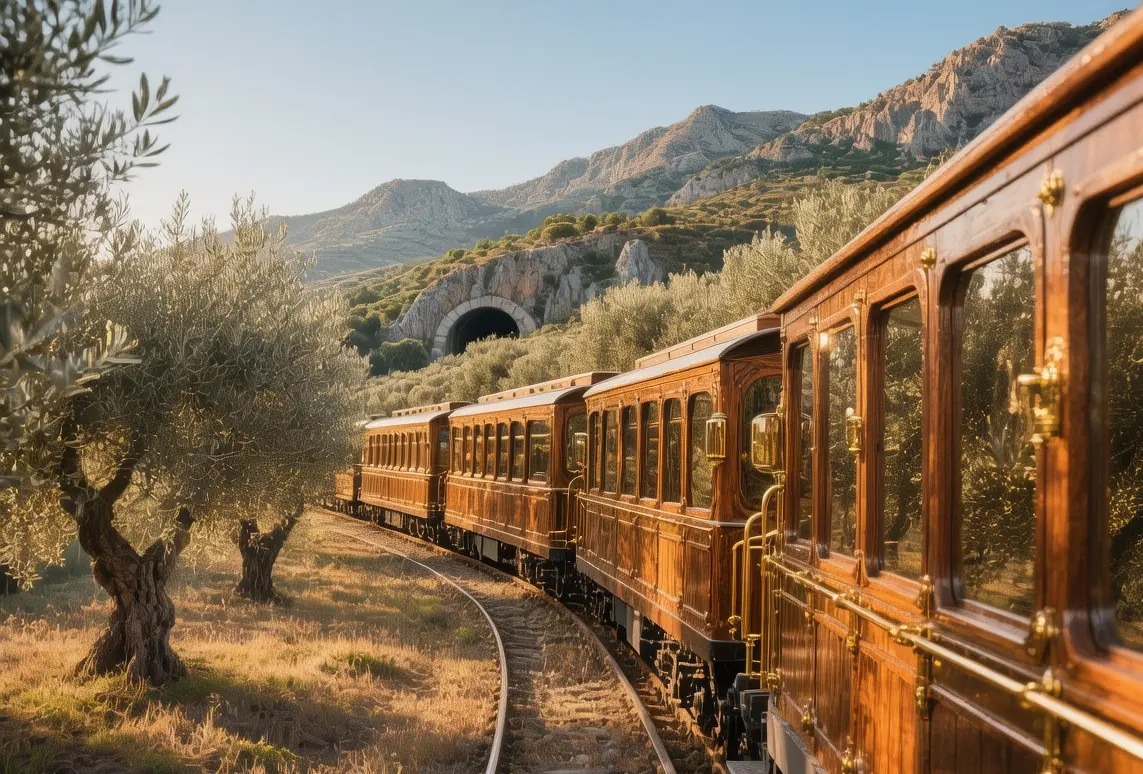
Sóller Vintage: Where Timeless Stone Meets Iron Rails
The tram departs at ten past eight. I stand on the platform, sun warm on my arms. Wood gleams under polished glass. Wheels hum along steel set in cobblestones. An older man holds a brass handle as the car pulls away. The fare costs less than a coffee. Sóller does not perform nostalgia for show. It lives it, every single morning. Most visitors ride once and move on. They miss how these old machines bind the valley together.
Why Sóller Vintage Matters
The railway arrived in 1911, built to connect the valley with Palma before tunnels were carved through the mountains. It carried oranges, passengers, and news. The tram followed, linking the town to the port. Both have run continuously since. They are not replicas. They are the original fleet, maintained and operated by people who treat them with quiet devotion. This legacy shapes the town’s identity. But popularity brings strain. In July and August, queues stretch far back from the platform. You can wait over an hour just to board, and the ride feels crowded rather than charming.
The Best Time to Experience Sóller Vintage
Late May through early June offers ideal days. Temperatures sit 20°C to 25°C (68°F–77°F). The valley stays green and blooming, and queues stay short. September matches these numbers, with golden light that makes wood and stone glow. July and August hit 27°C to 31°C (81°F–88°F). Trains and trams fill fast; first departures are crowded. October stays pleasant at 18°C to 23°C (64°F–73°F), though rain becomes more likely. Winter months run 10°C to 15°C (50°F–59°F). Services keep running but operate less often; check schedules on arrival. Ride the earliest departure — before nine — for empty seats and soft morning light.
Approximate Budget for a 7-Day Trip
Plan your spending with these daily averages:
- Accommodation: 65–130. Apartments in the upper valley sit closer to 65; rooms overlooking the tram line push above 120. Right on the main square is overpriced. Stay two streets back and save 35 a night with no loss of character.
- Food: 28–48. Pastry and coffee cost 4–6. A full meal with drink runs 20–32 at family-run spots.
- Transport: 14–24. Round-trip railway ticket approximately 18. Tram single journey roughly 5. Local buses 1.50.
- Attractions & Small Costs: 6–15. Museum entry and occasional guided walks add up slowly.
- Miscellaneous: 8–20. Cold drinks, orange preserves, or a postcard from the station shop.
Total for 7 days: 680–1,150 per person
Drinks at the terrace tables right on the square cost double what you pay one lane over. Walk a short distance and save without missing the view.
Essential Sóller Vintage Experiences
- Ride the railway from Palma. Wood-paneled interiors, leather seats, and tunnels cut through solid rock. The valley unfolds slowly as you emerge from darkness. Sit on the right going in for the best light. Skip this if you suffer claustrophobia; some tunnels are long and dark.
- Take the tram from town to port. Twenty minutes through wide avenues and past stone villas. The sea appears between buildings before you even see it. Go at golden hour; the light changes everything.
- Walk the tram route at your own pace. Paved paths run parallel to the tracks for much of the way. Watch the cars pass, stop at quiet cafes, and see the town from ground level. You notice details you miss riding inside.
- Visit the station workshops. Small displays show how the fleet is cared for. Parts are still made on site. It is not polished for tourists; it is working machinery, well tended and genuine.
- Explore the port on foot after arrival. The tram stops right at the waterfront. Walk east past the marina to quieter coves. Return on a later service; tickets are valid all day.
- Photograph the square as trams pass. Early morning offers empty frames and soft light. By eleven, crowds block the view. Arrive before nine for clear shots.
Hidden Gems Most Travelers Miss
- Upper tram stop near the botanical garden. Few passengers alight here. Shaded lanes wind down through old residential neighbourhoods.
- Valley viewpoints along the railway line. A short walk from the first tunnel on the Sóller side opens onto terraced groves and distant peaks.
- Evening return tram. Day-trippers leave by late afternoon. The last services are quiet and calm. You see the town lit up as you glide back.
- The main square tram stop is famous but overrated. Queues are longest and prices highest. Walk one stop toward the port and board there instead. You get a seat and skip most of the line.
Cultural & Practical Tips
- Buy tickets at station counters, not from third-party sites. Markups can be significant. Services rarely sell out entirely; tickets are available on the day.
- Stand clear of tracks at all times. Trams move silently and faster than they look. Do not step onto rails for photos.
- Reserve seats for the earliest departures in summer. Trains fill completely and standing spaces are limited.
- Do not lean out windows when tunnels approach. Low stonework passes very close. Keep arms and heads inside.
- Allow plenty of connection time. A late tram does not delay the next train. Schedules are separate and reliable but not perfectly aligned.
- Carry small change. Some tram conductors prefer cash and card readers can be slow.
- Respect quiet on board. Many locals use these services daily. Keep voices low and phones muted.
Essential Visitor Information
Location & Access: West coast of Mallorca. Palma to Sóller railway connects Plaça d’Espanya to Sóller station. Tram links Sóller town centre to Port de Sóller, 5 km distance. Bus from Palma also available, 45 minutes. Rental car via mountain road 40 minutes; tunnel toll applies.
Tickets & Booking: Railway one-way approximately 18; return available. Tram single journey roughly 5; day pass 12. Booking recommended July–August; not required other months.
Operating Hours: Railway first departure 07:00, last return 21:00; reduced service January. Tram 06:30–22:30 every 20–30 minutes; less frequent Sundays and winter.
Visit Duration: Minimum half-day for railway and tram return. Plan one full day to include port, walk, and museum without rushing.
Family Suitability: Children welcome everywhere. Wide doorways and level boarding at main stations; some intermediate stops have steps.
Timing: Best seasons May–June and September. Best times: before 09:00 and after 18:00.
Highlights: Vintage railway journey, tram ride to port, Sóller station workshops, tree-lined avenue, waterfront at golden hour.
Nearby & Day Trip: Deià 15 minutes; Valldemossa 25 minutes; Lluc Monastery 30 minutes; Puig Major mountain 40 minutes. All make satisfying half-day or full-day trips.
Conclusion: Travel with Patience, Not Just Speed
Sóller’s vintage transport is not fast. It does not try to be. You will wait in line in summer. You will pay more than a bus ride. That is part of it. Slow down. Watch the landscape roll by. Notice how people have ridden these same cars for generations. Ask yourself what you remember most — how quickly you got there, or how it felt to glide through the valley in quiet, golden light.
Comments
Post a Comment