St Ives Society of Artists: Where Coastal Light Meets Creative Legacy
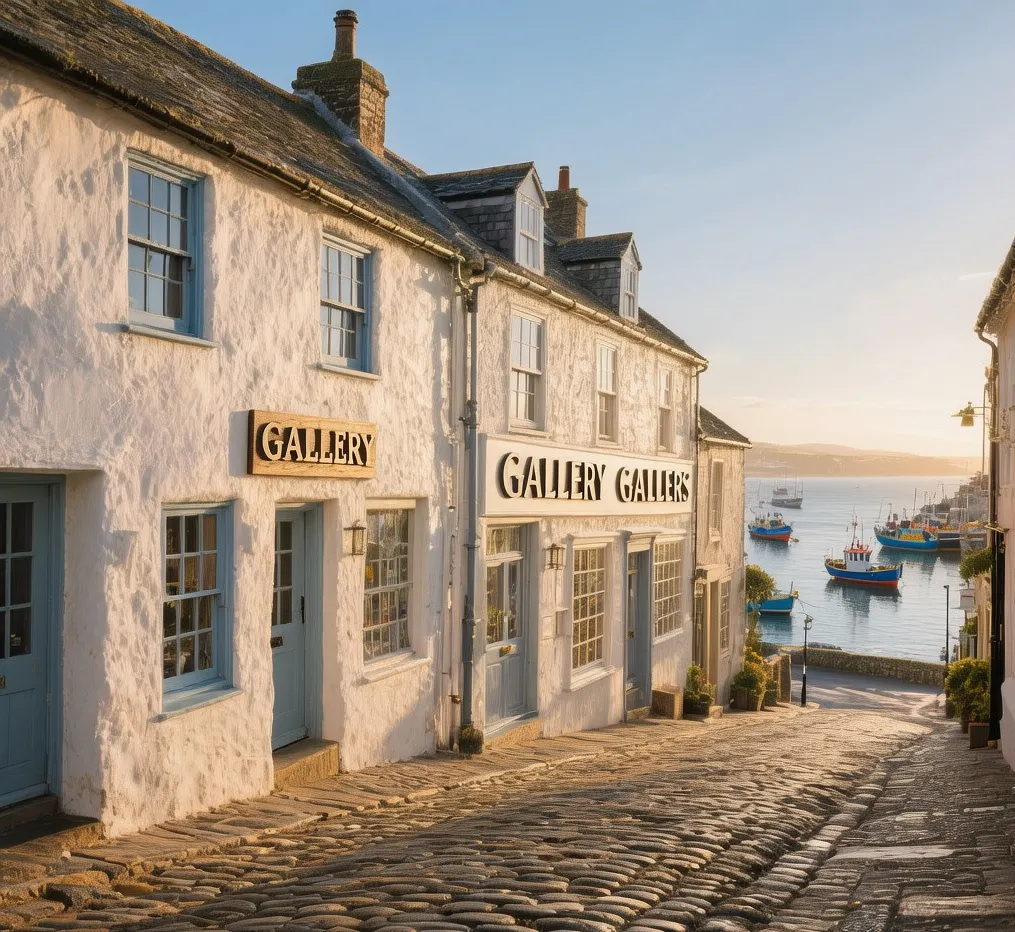
I stand on the quiet cobbled lane at ten past nine on a bright Friday morning in early June. The gallery entrance sits unassuming between whitewashed stone cottages, its large window glowing soft in early sunlight. Inside, canvases line the walls — harbour scenes, wild headlands, shifting Atlantic light — painted by people who live and work right here. A few early visitors lean close, studying brushstrokes. No crowds fill the rooms yet. The air feels still and thoughtful. This is not just a place to look at art. It is where the light itself has been studied, captured, and shared for over a century.
Why St Ives Society of Artists Matters
Founded in 1927, this society grew from a colony of painters who settled here drawn by the extraordinary clarity and quality of coastal light. They built studios, exchanged ideas, and turned St Ives into one of Britain’s most influential art hubs — shaping modern British painting and sculpture. Today the society remains independent, run by and for working artists who live within the local area. That commitment brings real strain. Rising property prices push creators further from the town centre; galleries compete for visitor attention; and the historic core feels increasingly crowded with gift shops rather than studios. The work continues — but the community that sustains it faces constant pressure.
The Best Time to Experience St Ives Society of Artists
Late April through May brings lengthening days and softer light, temperatures between 8°C and 15°C (46°F to 59°F). Exhibitions feel fresh and the town stays quiet enough to walk slowly. June and July offer the longest daylight — sky stays light until nearly 9.30 p.m. — and temperatures rise to 11°C and 19°C (52°F to 66°F). This is peak season; the gallery fills by midday and nearby lanes become busy. August stays mild at 12°C to 20°C (54°F to 68°F), but rain falls frequently and bright light can turn flat and grey outdoors. September holds steady at 11°C to 17°C (52°F to 63°F), crowds thin noticeably, and golden light turns the harbour and canvases warm amber. This is widely considered the best month to visit. October cools to 8°C and 13°C (46°F to 55°F), days shorten fast, and new exhibitions bring fresh work. November through February the gallery runs shorter hours — temperatures sit 5°C to 9°C (41°F to 48°F) — and you may explore the rooms almost alone. Arrive before 10.30 a.m. any time of year; after that, the atmosphere shifts.
Approximate Budget for a 7-Day Trip
These figures assume a base in or near St Ives, exploring galleries, beaches, and surrounding coast.
- Accommodation: £95–£175 nightly. Guesthouse or apartment within walking distance. £665–£1,225 for 7 nights.
- Food & Drink: £24–£42 daily — breakfasts, harbour lunches, evening meals. £360–£630 total.
- Transport: Train to St Ives then walk everywhere. Car parking central — expensive and limited. £35–£110 total.
- Attractions: Society entry £5 adult. Other galleries vary. £30–£75 total.
- Miscellaneous: £15–£28 daily — gifts, prints, supplies. £105–£196 total.
Total estimated 7-day cost: £1,195 to £2,236
Cafes directly beside the harbour charge premium prices. Walk two streets inland — same fresh food costs less and supports local families.
Essential St Ives Society of Artists Experiences
- Study the light in the main gallery — Stand back and notice how different artists render the same harbour and headland. Each captures a unique moment. Skip this after 12 p.m. in summer; groups gather before popular works and you cannot pause undisturbed.
- Read the artist statements — Beside each piece, short notes explain inspiration, method, and connection to the area. You learn not just what they see, but how and why. Most people glance and move on — take your time.
- Visit the upstairs gallery — Smaller, quieter, often experimental work fills the upper rooms. It feels less curated, more personal. This is where emerging voices show alongside established names.
- Walk the lane at golden hour — Leave as the sun dips low. The white cottages glow warm gold and light spills from gallery windows. It feels exactly like the paintings. Arrive 30 minutes early; the best viewing spots fill fast.
- Return to see familiar scenes — After exploring the harbour and beaches, come back. You will recognise places in the work — and see them with new eyes. The connection feels immediate and real.
- Ask about current exhibitions — Staff are often artists themselves. They speak with knowledge and pride about what hangs on the walls. A simple question can reveal stories no guidebook carries.
Hidden Gems Most Travelers Miss
- Back lane view — A narrow paved path runs behind the building. You see skylights and studio windows, glimpses of where work happens. Almost no visitors walk this way.
- Lower room quiet corner — Beneath the main staircase, a small bench sits tucked away. You can sit and look across the whole room without being part of the flow. It feels like a private view.
- Morning light window seat — Before crowds arrive, a bench near the front window catches direct sunlight. This spot is widely shared online now and has become overrated. Go before 9.30 a.m. if you want it empty.
- Coastal path connection — A short walk away, the cliffs and coves appear exactly as painted. Match canvases to reality — the perspective, the colour, the mood. It completes the experience.
Cultural & Practical Tips
- Respect quiet zones. This is a working space as well as a gallery. Keep voices low and silence phones — it enhances the experience for everyone.
- Do not touch paintings or frames. Even light contact damages varnish and delicate surfaces. Step back and use your eyes only.
- Check opening times before visiting. Private views and member events close areas occasionally. Confirm online to avoid disappointment.
- Buy direct if you can. Prints and smaller works support the artists directly. Every purchase helps keep this independent space alive.
- Wear comfortable shoes. Narrow cobbled lanes lead to the gallery — uneven and slippery when wet. Trainers or sturdy flat shoes work best.
- Visit mid-week. Saturdays and Sundays feel crowded and hurried. Tuesday or Wednesday morning offer the quietest, most thoughtful visit.
Essential Visitor Information
Location & Access: St Ives Society of Artists, St Ives TR26 1NX — Cornwall. Three transport options: train to St Ives then 5-minute walk; bus from Penzance — 45 minutes; car via A30 then coastal road — park at station and walk in.
Tickets & Booking: Entry £5 adult. No advance booking needed in quiet months; arrive early July–August.
Operating Hours: Generally 10 a.m.–5 p.m. daily; shorter hours November–February; closed some winter days.
Visit Duration: Minimum 1 hour viewing. 2 hours including upstairs rooms and quiet corners.
Family Suitability: Level ground floor; stairs to upper gallery. Keep children close and explain quiet rules. Public toilets nearby.
Timing: Best season September — clear light, fresh exhibitions, thinner crowds. Early morning before 11 a.m. offers quietest rooms.
Highlights: Morning light on canvases, upstairs discovery, golden hour departure, matching art to reality, artist conversation.
Nearby & Day Trip: Porthmeor Beach — 5 minutes; St Ives Harbour — 5 minutes; Minack Theatre — 45 minutes; Land’s End — 30 minutes; Newquay — 1 hour.
Conclusion: Travel with Vision, Not Just View
These artists do not just record what stands before them — they interpret, distil, and reveal what others might miss. The light here is a gift, but seeing it clearly takes practice. When you visit, look deeper. What will you see with fresh eyes when you leave?
Comments
Post a Comment