Tarifa: Where Atlantic Wind Meets Mediterranean Calm
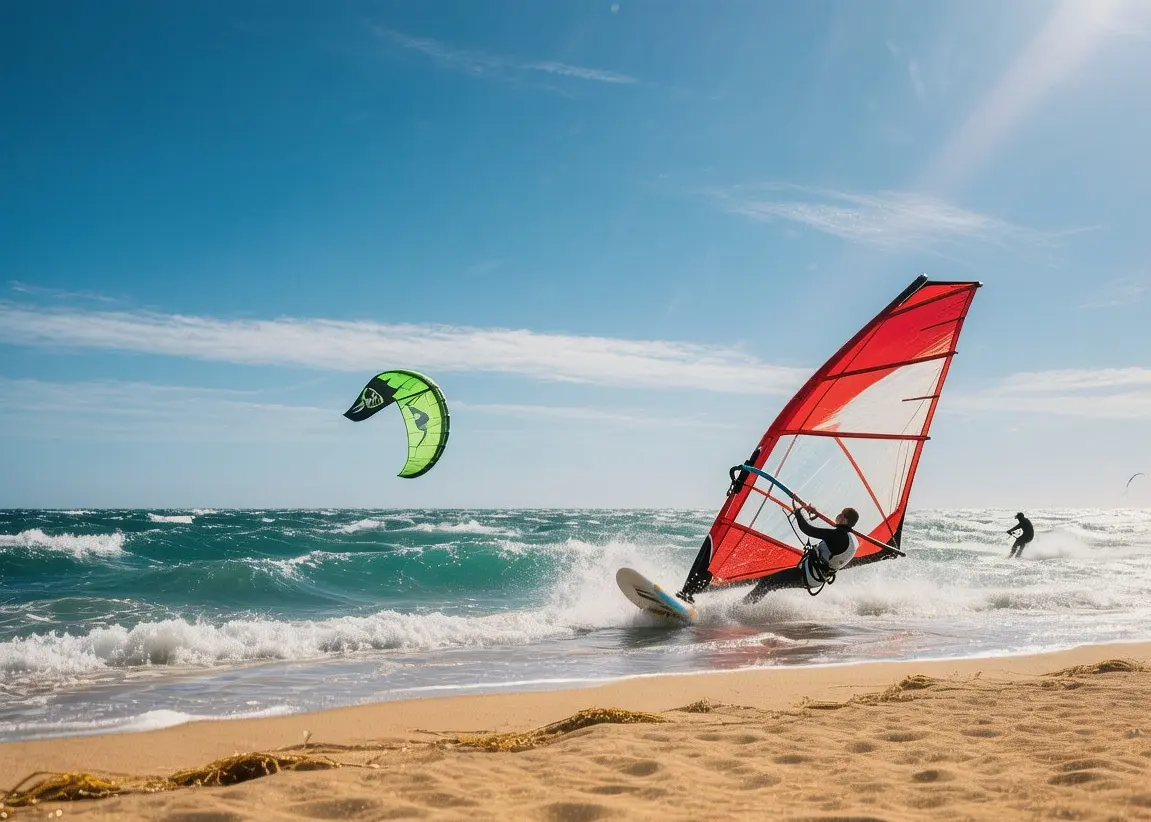
The sun rises at eight. I stand on the southernmost point of mainland Europe, cool wind pressing against my jacket. Two seas meet here — the Atlantic pushing west, the Mediterranean stretching east. Water colours shift from deep indigo to turquoise within a few hundred metres. A kite surfer catches a gust and glides fast across the surface. Tarifa does not hide its wild side. Most visitors come for the wind and leave by evening. They miss the quiet old town that has stood watching these waters for a thousand years.
Why Tarifa Matters
Moors founded the town in the 8th century, naming it after the Berber warrior Tarif ibn Malik. For centuries it stood as both gateway and fortress — the place where Africa lies just fourteen kilometres away across the Strait. Ships passed, armies landed, and cultures mixed. Today the wind defines the place. Constant, reliable, and strong — it blows almost year-round, funnelled between two continents. That wind draws the world’s kiteboarders and windsurfers, but it also shapes daily life. Streets are sheltered, buildings are low, and shutters are built heavy. The wind brings energy, yet it also drives up prices. Summer sees crowds fill every lane and beach; locals find it harder to afford homes where their families have lived for generations.
The Best Time to Experience Tarifa
Late May through early June offers the sweetest balance. Temperatures sit 19°C to 25°C (66°F–77°F). The wind is steady but not brutal, the water warms fast, and queues stay short. September matches these numbers — golden light, calm evenings, and still plenty of wind. July and August reach 24°C to 30°C (75°F–86°F). The wind blows strongest then, beaches fill early, and restaurants have long waits. October stays pleasant at 17°C to 22°C (63°F–72°F). The wind softens, water remains warm, and days feel peaceful. Winter months run 11°C to 17°C (52°F–63°F). Many beach spots close, but the old town belongs only to itself. Arrive before nine in the morning. The wind usually picks up by midday.
Approximate Budget for a 7-Day Trip
Plan your spending with these daily averages:
- Accommodation: 70–150. Apartments in the old town sit closer to 70; beachfront and boutique rooms push well above 140. Right on Playa de los Lances is overpriced. Stay two streets back or in nearby La Línea and save 40 a night with a short walk to shore.
- Food: 30–50. Fried fish and a drink cost 8–12. A proper meal with local wine runs 22–38. Beachfront dining costs double that.
- Transport: 15–30. Bus from Algeciras 30 minutes ~4; from Seville 2 hours ~18. Ferry to Tangier 35–45 one-way. Bicycle rental 10–15 per day.
- Attractions & Lessons: 25–50. Kite or windsurf lessons 40–60 per session; historic sites free or ~5.
- Miscellaneous: 8–20. Water, sunscreen, or handwoven textiles from the Moroccan quarter.
Total for 7 days: 700–1,250 per person
Drinks and meals directly on the beach promenade carry a heavy premium. Eat in the old town — better food, more atmosphere, half the price.
Essential Tarifa Experiences
- Walk Playa de los Lances at sunrise. Wide open sand stretching north as far as you can see. The wind is still quiet. Kites appear later, one by one. Go before eight; by ten the beach fills. Skip this if strong wind warnings are up — sand blows hard and stings.
- Explore the old town and castle. Cobblestone lanes lead to the 10th-century Guzmán el Bueno fortress. Thick walls face the sea. From the battlements you see Africa clearly on a clear day. Allow ninety minutes. Go late afternoon for warm light.
- Watch the sunset from Punta de Tarifa. The southernmost tip of mainland Europe. The sun drops straight into the Atlantic. People gather quietly, no music needed. Arrive twenty minutes early; the best spots fill fast.
- Take a beginner kite lesson. Shallow water and consistent wind make this one of the best places on earth to learn. Start on land first — safety comes before speed. Go with a school that keeps groups small.
- Wander the Moroccan quarter. Tarifa has welcomed people from across the strait for centuries. Spices, textiles, and flavours blend here. Drink mint tea in a quiet cafe and watch life go by.
- Ride a bicycle along the coast road. Flat, paved, and windswept. It runs past dunes and salt flats toward Bolonia. Stop where the view calls you. Carry water — there is little shade.
Hidden Gems Most Travelers Miss
- Playa Chica. Tucked inside the harbour, sheltered from the main wind. Calm water, small pebbles, and locals fishing. Very few visitors find their way here.
- Mirador del Estrecho viewpoint. Five minutes drive above town. The strait unfolds below — ships, dolphins, and the Atlas Mountains visible on clear days. Park and walk five minutes up from the road.
- Old town upper lanes. Above the main tourist strip, quieter streets where locals still hang laundry and chat on doorsteps. No souvenir stalls — just real life.
- Playa de los Lances central stretch is famous but overrated. Walk ten minutes north toward the dunes. The crowd thins out instantly and the shore feels yours alone.
Cultural & Practical Tips
- Check the wind forecast before booking lessons. The wind does not blow every day. Good schools will reschedule if conditions are unsafe — book direct and ask about their policy.
- Bring a windproof jacket even in summer. It feels cooler than the thermometer says. The breeze stays constant and sharp.
- Respect the dunes. Plants hold the sand together. Walking off-path destroys fragile root systems. Stay on boardwalks.
- Carry your passport or ID. The ferry to Tangier is straightforward but checks are strict. Keep something with you always.
- Book accommodation early July–August. Everything fills months ahead. Walk-in arrivals will struggle to find anything within budget.
- Do not swim directly near the harbour mouth. Currents are strong and unpredictable. Stay in designated swimming zones.
- Many shops close midday 14:00–17:00. This is not laziness — it is how the town works. Plan accordingly.
Essential Visitor Information
Location & Access: Southernmost point of mainland Europe, Andalusia, Spain. Algeciras 20 km — 30 minutes by bus or car. Seville 200 km — 2 hours. Málaga 180 km — 2 hours. Tangier, Morocco 14 km — 1.5 hours by fast ferry. Nearest airports: Gibraltar 45 minutes, Málaga 2 hours, Jerez 2 hours.
Tickets & Booking: Old town and castle free. Kite/windsurf lessons 40–60 per session; multi-day packages better value. Ferry to Tangier 35–55 one-way; passport required. Booking essential July–August for accommodation and lessons.
Operating Hours: Public beaches open all day. Castle generally 10:00–18:00; shorter hours winter. Surf schools 09:00–18:00; most close December–January. Restaurants 13:00–16:00 and 20:00–23:00; some close Mondays.
Visit Duration: Minimum two full days. Plan three to four days to learn, explore the old town, take a day trip, and rest between sessions without rushing.
Family Suitability: Excellent outside peak wind weeks. Playa Chica and sheltered coves suit all ages. Main beach can be too windy for very young children — check forecasts.
Timing: Best seasons May–June and September. Best times: before 10:00 and after 17:00.
Highlights: Playa de los Lances sunrise, Guzmán el Bueno Castle, Punta de Tarifa sunset, beginner kite lessons, Moroccan quarter, coastal bike ride.
Nearby & Day Trip: Bolonia Roman ruins and beach 20 minutes; Tangier, Morocco 1.5 hours ferry; Vejer de la Frontera white village 45 minutes; Gibraltar 45 minutes. All make satisfying half-day or full-day trips.
Conclusion: Travel with the Wind, Not Against It
Tarifa does not exist for your comfort. The wind blows strong, prices rise in summer, and days when the mist rolls in can feel quiet and grey. That is real. Slow down. Let the wind guide your plans rather than fight it. Ask yourself what you remember most — the perfect run across the water, or standing at the edge of Europe watching the sun set over two seas.
Comments
Post a Comment