Tharros: Where Ancient Civilisation Meets Western Shore
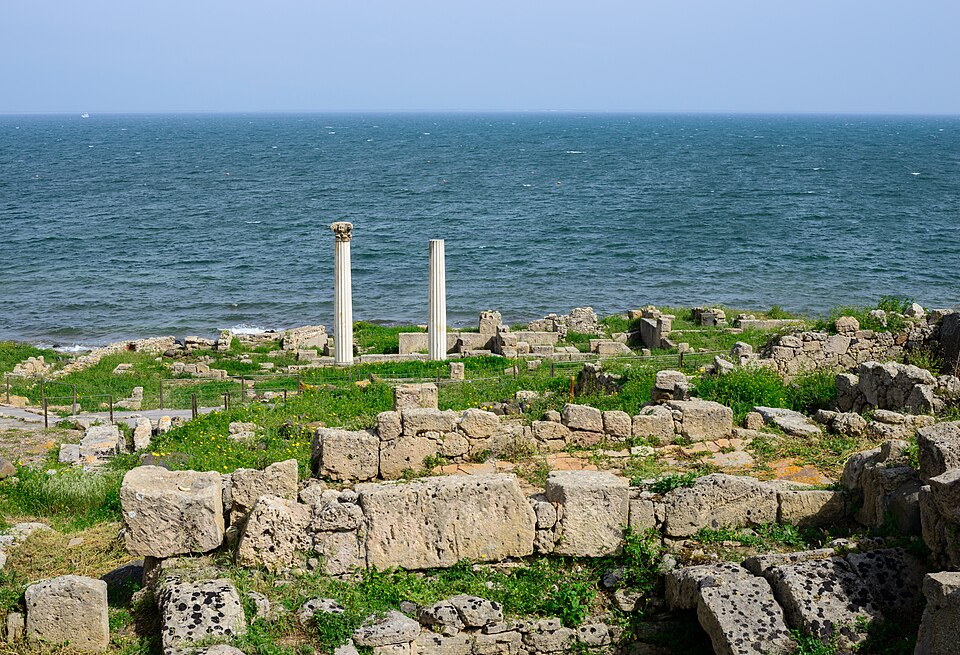
I stand on the sun-warmed stone pavement at 8:05 on a July morning. The sea breeze carries salt and the faint scent of wild thyme growing between the ruins. An espresso costs one euro sixty at the small family-run kiosk just outside the entrance. I run a hand over a weathered column base — smooth, worn by centuries of hands and wind. Tharros sits on the Sinis Peninsula in western Sardinia, perched on a headland where the gulf opens wide toward the horizon. People come for the history. They find a place where the past is not locked away — it lies open to the sun, wind, and sea.
Why Tharros Matters
This settlement began as a Phoenician trading post around the 8th century BCE, chosen for its sheltered harbour and position linking sea routes across the western Mediterranean. Carthaginians expanded it, Romans made it a prosperous colony, and it continued as a thriving town through late antiquity before being abandoned in the early Middle Ages. Today it is one of the most significant and evocative ancient sites in the region — where streets, foundations, and public buildings still trace the layout of daily life across more than a thousand years. That fame brings real pressure. By 10:30 AM in summer groups fill the main pathways. There is almost no shade, so midday heat feels intense. Quiet is something you find only by arriving early or walking to the farthest edges.
The Best Time to Experience Tharros
Late April through June brings long days, blooming wildflowers, and gentle light. Temperatures sit between 14°C and 24°C (57°F–75°F). The site stays comfortable well into the afternoon. July and August warm to 20°C and 31°C (68°F–88°F). Midday sun beats down unshaded — visits feel tiring between 12:00 PM and 3:00 PM. September offers clear skies and golden light, ranging from 17°C to 28°C (63°F–82°F). Crowds thin noticeably and the heat softens. October remains mild — 14°C to 24°C (57°F–75°F) — and the shoreline feels peaceful. Winter holds cool, windy days: 8°C to 15°C (46°F–59°F). The site stays open and often entirely empty. Visit before 9:00 AM any time of year for the quietest, most atmospheric experience.
Approximate Budget for a 7-Day Trip
Prices below are per person, in euros, based on staying in Cabras or nearby.
- Accommodation: 7 nights in a guesthouse or apartment in Cabras — €60–105 per night. Total: €420–735. Staying closer to the ruins costs 30–40% more and options are very limited.
- Food & Drink: Breakfast, two meals daily — €28–45 daily. Total: €196–315. The kiosk at the site charges premium prices; drive five minutes into Cabras for affordable meals and larger portions.
- Transport & Tickets: Car rental €35–55 daily; Tharros entry €6–8; local bus pass €12–20. Parking near the site costs €3–5 daily and fills fast.
- Activities: Boat trip around the peninsula, museum entry, nearby beach visit — €30–65.
- Miscellaneous: Water, snacks, sunscreen, guidebook — €15–25.
Total estimated 7-day cost: €700–1,300
Rooms with direct sea or ruin views carry a very large premium. Similar accommodation inland costs 40–50% less and the site is only ten minutes’ drive away. The "Tharros Full-Day Guided & Exclusive Access Tour" is overpriced; the same ruins and shoreline are fully accessible independently for a fraction of the cost.
Essential Tharros Experiences
- Main Street & Harbour District — Walk the paved roadway that once ran through the town centre. Column bases, shop foundations, and building outlines line both sides. You follow the same path people walked for millennia. Skip if you dislike exposed ground; there is almost no shade and little shelter from wind or sun.
- Temple & Sacred Area — Climb gently toward the highest point on the headland. Foundations and altars mark where public worship and ceremony took place across changing empires. The view stretches across the sea and back over the town. It feels quiet and elevated.
- Roman Quarter & Baths — Explore the residential and public building area. House layouts, water channels, and bath structures show how daily life was organised — clean water, heating, separate spaces for different activities. The detail still visible feels remarkable.
- Shoreline Walk Along the Ruins — Follow the path that runs beside the water’s edge. Walls and foundations meet the sea, creating a striking contrast between stone and turquoise waves. Go early; by midday the sun reflects strongly off the water and stone.
- Sunset Visit — Stay until late afternoon when day-trippers leave. The sun sinks low across the gulf, gilding every stone and column. Shadows lengthen across the street grid. This is when the site feels most alive and most peaceful.
- Short Walk to San Giovanni di Sinis — Continue five minutes along the coast. The ancient stone church stands alone beside the shore, built from materials quarried or reclaimed from the very site you just explored. The connection feels immediate and tangible.
Hidden Gems Most Travelers Miss
- The western headland beyond the main ruins sees almost no visitors. A faint path leads past fallen stone blocks and old walls to a viewpoint high above the open sea. You see the full outline of the settlement from here. It feels entirely private.
- The old quarry track inland from the entrance leads through low scrub and wild olive trees. Stone was cut here to build the town. The walk takes twenty minutes round trip. Very few people follow it.
- The quiet cove tucked between the ruin zones has shallow, calm water. It was likely used as a small landing spot in ancient times. You can swim here when the site closes. The shoreline feels unchanged.
- The "Tharros After-Hours Exclusive" ticketed event is overrated. You pay extra to stay past closing on selected evenings — the same experience you can get simply by arriving late in the afternoon on a standard ticket.
Cultural & Practical Tips
- Arrive before 9:00 AM. Parking fills completely in summer and groups move slowly through the site. Early entry gives you space to look closely without crowds pressing past.
- Wear sturdy shoes. The ground is uneven — loose stone, ancient foundations, and sloped earth everywhere. Flip-flops are uncomfortable and unsafe.
- Bring more water than you think you need. There are no fountains or shaded rest areas inside the site. Dehydration happens fast in direct sun.
- Do not touch or move anything. Pottery shards, stone blocks, and fragments belong here. Taking them is illegal and erodes the site for everyone else. Leave everything exactly as you find it.
- Respect boundaries. Some sections are unstable or undergoing conservation. Fences mark these areas — do not cross them. Protecting the site ensures it remains standing for future visitors.
- Rent a car. Public transport is limited — one or two buses daily from Cabras. Everything worth seeing lies within 15 minutes’ drive, but you need your own vehicle.
- Book accommodation well ahead in July and August. Choices across the whole peninsula are limited and places sell out months in advance.
Essential Visitor Information
Location & Access: Tharros, Sinis Peninsula, Province of Oristano, Sardinia, Italy. Coordinates roughly 39.8780° N, 8.4280° E. Three ways to arrive: drive from Cabras — 15 minutes; drive from Oristano — 30 minutes; or take bus from Oristano to Cabras then local shuttle — 1 hour total.
Tickets & Booking: Standard entry €6–8. No booking required for individual visits. Group tours must reserve ahead. Parking €3–5 daily.
Operating Hours: 9:00 AM to 7:00 PM in summer; shorter hours — roughly 9:30 AM to 4:30 PM — from October to March. Last entry one hour before closing.
Visit Duration: Minimum 2 hours. Recommended half day to include the farthest headland, shoreline walk, and nearby San Giovanni di Sinis.
Family Suitability: Moderately family-friendly. Wide open spaces suit children, but uneven ground and intense sun mean close supervision and good protection are essential. No shade or drinking fountains exist inside.
Timing: Best seasons are late April to June and September. Best time of day is before 9:00 AM or after 4:30 PM.
Highlights: Harbour street, sacred area, Roman quarter, shoreline path, sunset light, nearby ancient church.
Nearby & Day Trip: San Giovanni di Sinis is 5 minutes by foot. Arutas Quartz Beach is 10 minutes by car. Cabras is 15 minutes. Oristano is 30 minutes. Alghero is 1 hour 30 minutes.
Conclusion: Travel with Respect, Not Just Wonder
Tharros gives you more than impressive ruins. It gives you a thousand years of people living, trading, worshipping, and eventually leaving this shore. You can take photos and walk away. Or you can walk slowly, touch the stone gently, and imagine what it saw before cameras arrived. The site does not need your admiration. It has stood here longer than most cities. What is the one ancient place you would visit just to sit quietly and listen to the wind?
Comments
Post a Comment