Trier Roman Ruins: Where Imperial Heritage Meets Modern Streets
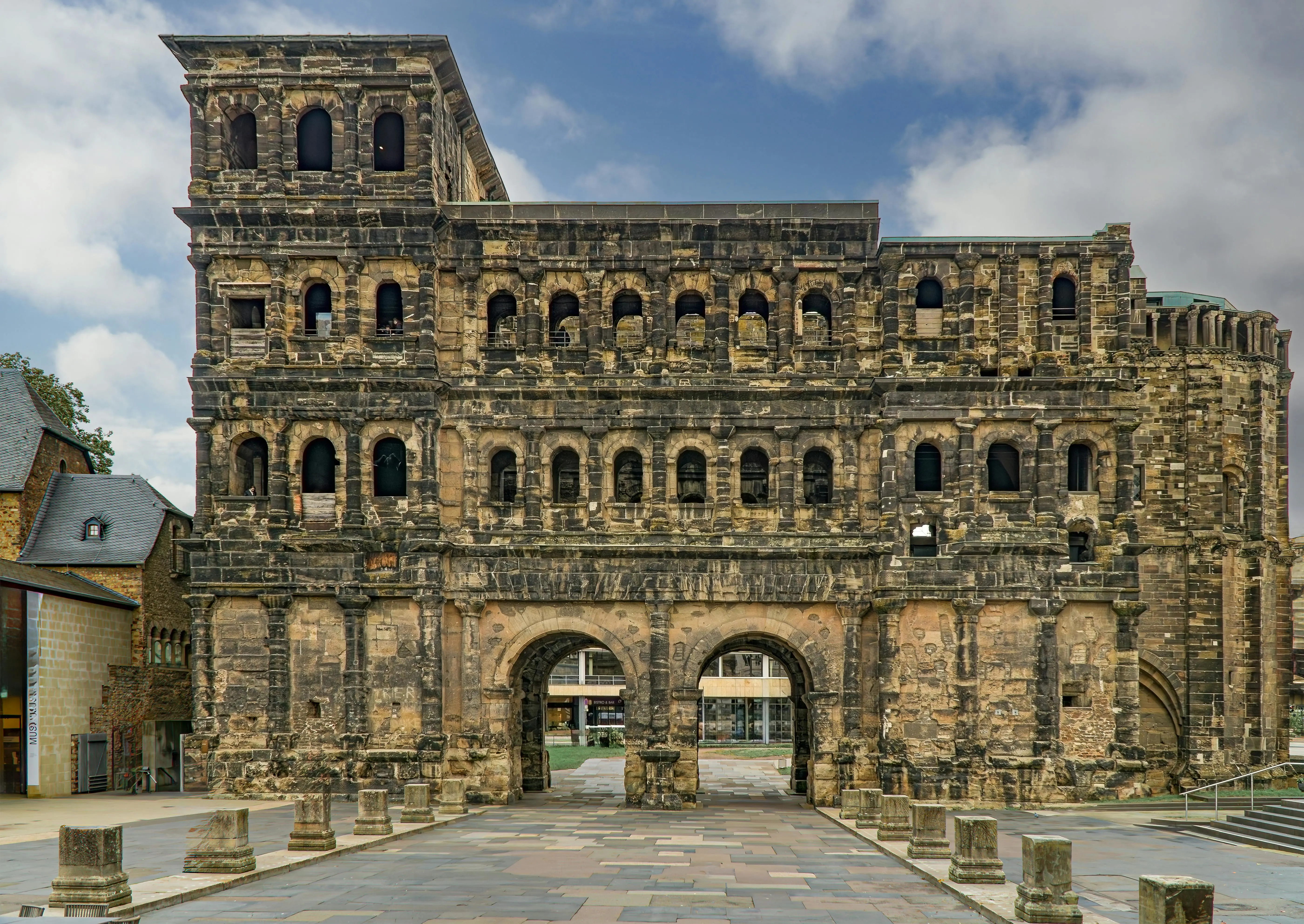
I stepped through the northern arch of Porta Nigra at ten past nine on a Friday morning. The stones felt massive and cool. I paid eight euros at the ticket desk. Sunlight filtered through gaps between blocks that have stood here for 1,800 years. I expected scattered fragments. What I found forms the very fabric of the city. Houses, streets, and churches grew around these walls. Not every ruin has been fully uncovered. Some remain buried beneath later buildings. That makes the visible parts feel even more precious.
Why Trier Roman Ruins Matter
Trier was the northern capital of the Western Roman Empire. For centuries it stood alongside Rome and Constantinople as one of the empire's most important cities. Emperors lived, ruled, and built here. Today nine separate Roman sites carry UNESCO recognition. They include the largest surviving city gate north of the Alps, an imperial palace hall, vast bath complexes, and an amphitheatre carved into the hillside. Together they show how a provincial capital grew into an imperial power centre. One honest criticism: sites spread across several kilometres. Walking between them takes time and effort. Some remain tucked beside busy roads or modern housing. Finding quiet space to reflect can feel difficult. Signage varies in quality; some explanations feel too brief or hard to locate.
The Best Time to Experience Trier Roman Ruins
April through June brings 10°C to 20°C / 50°F to 68°F. Days lengthen and light warms the sandstone beautifully. Weekday mornings before 11:00 offer quietest grounds. July and August see 14°C to 24°C / 57°F to 75°F. Open-air sites stay pleasant but fill with tour groups by midday. September holds 11°C to 19°C / 52°F to 66°F. Crowds thin and golden light suits photography. November through February brings 1°C to 7°C / 34°F to 45°F. The ruins feel stark and atmospheric. Indoor sites remain accessible and peaceful. Mondays some sites close; check opening times individually.
Approximate Budget for a 7-Day Trip
Costs below are per person based on staying in central Trier.
- Accommodation: 469 euros — Clean room in a central guesthouse or apartment. Hotels directly beside Porta Nigra charge 200 euros or more per night and feel overpriced; stay one street away for quieter nights and fairer rates.
- Food: 273 euros — Local Riesling, hearty regional dishes, and market lunches.
- Transport: 91 euros — City and regional weekly pass covering buses and trains. Most central sites are walkable.
- Attractions: 70 euros — Combined entry ticket covering all major Roman sites.
- Miscellaneous: 56 euros — Drinks, small purchases, and parking fees.
Total: 959 euros. Souvenir stalls right beside Porta Nigra mark up every item heavily. Walk five minutes into the town centre to find genuine local products at half the price.
Essential Trier Roman Ruins Experiences
- Porta Nigra — The black gate stands as Trier's defining landmark. Climb staircases inside the massive towers. Look out through ancient openings across the modern city. Skip if you dislike confined spaces; upper passages are narrow and low.
- Imperial Baths — One of the largest bath complexes ever built. High vaulted ceilings still stand above vast underground chambers. The scale becomes clear only when you walk through the ruins. Most visitors see just a fraction; follow the full perimeter path.
- Constantine Basilica — A throne hall turned church. The largest single-room Roman structure surviving anywhere. The original height and breadth remain completely intact. It feels awe-inspiring without any decoration needed.
- Amphitheatre — Carved into a gentle slope on the city edge. Seating tiers still curve around the arena floor. Walk down to ground level; imagine the crowds that filled these seats. The outer walls have vanished; the shape alone tells the story.
- Roman Bridge — Stone piers built in the 2nd century still support the modern roadway. Walk across the Moselle River and look back. The foundations stand as solid now as then. It remains a working crossing, not just a monument.
- Forum and Market Foundations — Beneath the modern main square, excavated sections show where public life unfolded. Look down through glass panels. The layout of shops, meeting halls, and streets appears clearly.
Hidden Gems Most Travelers Miss
- West Roman Wall Fragment — Beside a car park, a short stretch of original city wall stands almost unnoticed. It shows how tall and thick the full circuit once was. No information board explains it; it stands quiet and unmarked.
- Older Baths Courtyard — Tucked behind a church, a peaceful paved area holds smaller bath remains. It sits apart from the main imperial site. Benches face the walls. The so-called "mosaic floor display" nearby is often overrated; it is small and kept behind glass that reflects light.
- Constantine Basilica Side Passage — Around the back of the main hall, a quiet corridor holds carved stone fragments. Few people walk this way. The light falls differently here and the atmosphere feels calm.
- Riverbank Stone View — Walk downstream from the Roman bridge. Look up at the piers from water level. The size and craftsmanship appear most impressive from below.
Cultural & Practical Tips
- Buy the combined ticket. It covers all major sites and costs less than separate entries. It also saves queuing at each location.
- Wear comfortable walking shoes. Surfaces include cobblestones, uneven stone, and sloped ground. You will cover far more distance than you expect.
- Carry water. Few refreshment spots sit near the ruins. Prices at those that do run high.
- Respect boundaries. Fences protect fragile walls and excavations. Do not climb on or touch ancient surfaces.
- Check individual opening hours. Some sites close one day midweek. Others close early in winter. Arriving to find doors shut happens often.
- Photography is fine without flash. Tripods require permission. Signs mark any restricted zones clearly.
Essential Visitor Information
Location & Access: Trier, western Germany near Luxembourg border. GPS 49.7490, 6.6394. Main station 10 minutes walk to Porta Nigra. Cologne 2 hours by train. Frankfurt 2 hours 30 minutes. Luxembourg City 45 minutes. Brussels 2 hours 15 minutes.
Tickets & Booking: Combined Roman sites ticket roughly 18 euros adult. Individual entries 4–8 euros. Booking not required for individuals. Groups of 15 or more should contact ahead.
Operating Hours: Porta Nigra and outdoor sites daily 09:00 to 18:00 summer; shorter hours winter. Constantine Basilica and some indoor sites close Mondays. Last entry roughly one hour before closing.
Visit Duration: Minimum 2 days. 3 days lets you explore each site slowly and walk between them without rushing.
Family Suitability: Children welcome. Stroller access is limited at ruins with steps and uneven ground. Restrooms at major sites. Amphitheatre and bridge suit all ages best.
Timing: May, June, September best. Arrive before 11:00. Late afternoon light warms the stone and softens shadows.
Highlights: Porta Nigra, Imperial Baths, Constantine Basilica, Amphitheatre, Roman Bridge, forum foundations.
Nearby & Day Trip: Moselle Valley vineyards 20 minutes drive. Luxembourg City 45 minutes. Bernkastel-Kues 40 minutes. Aachen Cathedral 1 hour 15 minutes; makes a memorable half-day trip.
Conclusion: Travel with Perspective, Not Just Admiration
Trier's Roman ruins will not feel complete or polished everywhere. Empires rose and fell around these stones. They were buried, built over, and reclaimed. Yet they remain part of the living city. People walk past them every day on the way to work and home. Look beyond the grand monuments. Think about what outlasts power and glory. What will your own generation leave standing two thousand years from now?
Comments
Post a Comment