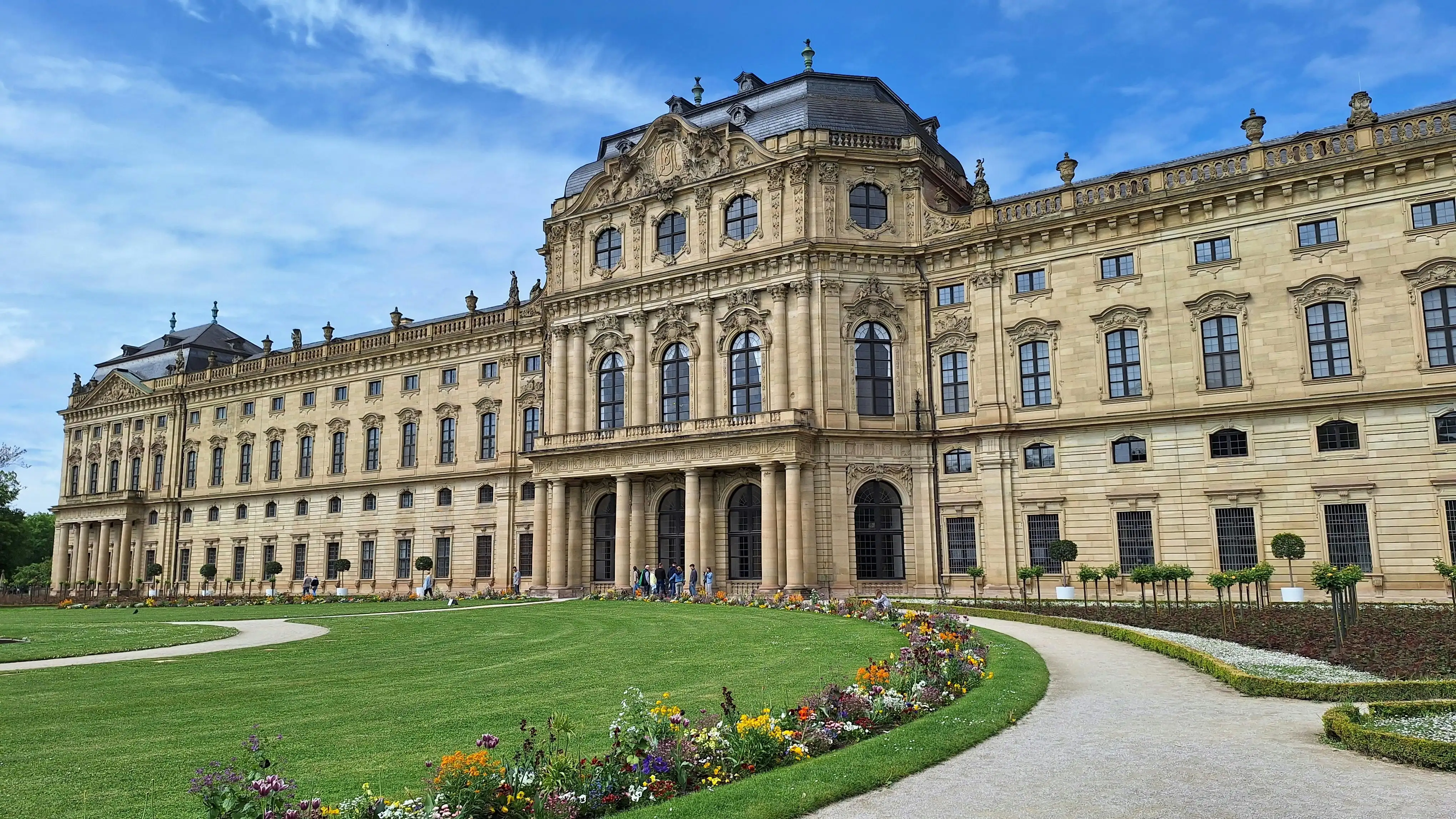
Würzburg Residenz: Where Princely Grace Meets Restored Light
I stepped through the main gateway at ten past ten on a Friday morning. Sunlight flooded the wide courtyard, warming pale sandstone and catching every curve of the grand facade. I paid twelve euros for full entry. The air inside felt cooler and still — a quiet contrast to the bright square outside. I expected a palace built to impress. What I found feels like something deeper: a masterpiece of European design that was lost, carefully recreated, and now shared openly with the world. Not every room matches perfectly. Some sections show newer stone alongside older, darker blocks. The grandest hall was fully rebuilt from photographs and fragments. That visible care is not a flaw. It is the story of the building itself.
Why Würzburg Residenz Matters
Commissioned in the early 18th century by the Prince-Bishops of Würzburg, this palace was conceived as a symbol of power and artistic excellence. Leading architects, painters, and sculptors from across Europe worked together to create a single unified vision — one that would rival the greatest royal residences on the continent. The grand staircase, the White Hall, and the Imperial Hall remain among the finest examples of late Baroque and Rococo design anywhere. Destroyed almost completely by fire in 1945, the Residenz was rebuilt over decades, reopening in stages to share its beauty again. Today it stands as a UNESCO World Heritage Site, a testament to cross-border creativity and patient restoration. One honest criticism: guided tours move quickly and groups fill the narrowest rooms. Finding space to stand and look quietly takes patience. The palace sits centrally and parking nearby is limited and expensive.
The Best Time to Experience Würzburg Residenz
April through June brings 8°C to 19°C / 46°F to 66°F. The surrounding gardens bloom and light falls beautifully through the tall windows. Arrive before 10:00; the rooms stay quiet and soft. July and August warm to 13°C to 24°C / 55°F to 75°F. Evening concerts and garden events happen regularly; check schedules ahead. September holds 10°C to 19°C / 50°F to 66°F. Crowds thin and golden light warms the sandstone exterior. October through March the palace feels calm and sheltered. Christmas markets bring visitors in December; otherwise you will often have whole rooms nearly to yourself. Mondays some sections close; the main building and courtyard remain accessible.
Approximate Budget for a 7-Day Trip
Costs below are per person based on staying in central Würzburg.
- Accommodation: 476 euros — Clean room within walking distance. Hotels directly facing the Residenz charge 230 euros or more per night and feel overpriced; stay one street back for half the cost and equal comfort.
- Food: 287 euros — Franconian dumplings, roasted meats, fresh asparagus in season, and local wine.
- Transport: 84 euros — City bus pass. Everything central is walkable; day trips to nearby villages need short journeys.
- Attractions: 91 euros — Full entry, guided tour, and nearby fortress visit.
- Miscellaneous: 70 euros — Drinks, snacks, and small purchases.
Total: 1008 euros. Coffee and cake at the palace-facing cafe carry a clear premium. Walk five minutes into the old town; the same treats cost roughly 40 percent less.
Essential Würzburg Residenz Experiences
- Grand Staircase and Ceiling — Stand at the bottom and look upward. The largest fresco in the world spreads across the vaulted ceiling, blending sky, architecture, and human figures into one flowing scene. Light falls from above and changes the painting as the day moves on. Skip if you dislike crowded spaces; groups pause here and movement slows.
- Imperial Hall — Rich colours, gilded detail, and balanced proportions create a space that feels grand without feeling heavy. It was built to welcome emperors and ambassadors. The acoustics are warm and clear; imagine music and voices filling this room centuries ago.
- Court Gardens View — Step through the rear doors into the formal gardens. The palace facade stretches symmetrical and bright behind fountains and trimmed hedges. This is the most complete perspective of the whole design. Visit in late afternoon; golden light softens every line.
- White Hall — Before you reach the grand staircase, this lighter, quieter room sets the tone. Pale walls, delicate detail, and gentle curves feel calm and graceful. Most visitors hurry past. Slow down here; it prepares you for everything that follows.
- Mirror Cabinet and Chambers — Smaller, more intimate rooms show different moods and styles. Some feel light and playful, others rich and serious. They reveal how the palace was actually lived in, not just displayed. Read the small plaques; many rooms were completely recreated from fragments.
- Evening Garden Walk — After the museum closes, the gardens stay open. Lamps glow soft along paths and the palace stands lit against darkening sky. No ticket needed; just walk slowly and enjoy the silence.
Hidden Gems Most Travelers Miss
- Side Courtyard Bench — Away from the main entrance, a shaded stone bench sits beneath an archway. It faces the palace wing without being in the crowd. The so-called "famous front viewpoint" nearby is often overrated; groups cluster there constantly and block the pavement.
- Upper Landing Glance — Halfway up the stairs, turn and look back through the tall window. The gardens and distant hills appear framed perfectly. Most people face forward and never see this view.
- Garden Side Arch — From the far end of the gardens, look back through a trimmed arch. The palace appears centred and complete, as if arranged just for you. Almost no one walks this far.
- Quiet Passage Detail — A short corridor connects two sections. Delicate painted panels sit low on the walls, easy to overlook. They survived the fire and are original. Lean in gently; the colours remain vivid after centuries.
Cultural & Practical Tips
- Book tickets early. Weekends and holidays sell out days ahead. Same-day availability is limited and may involve waiting.
- No photos inside. Light levels are kept low to protect fragile art and paintwork. Flash damages surfaces. Respect the rule; it preserves these rooms for everyone.
- Wear comfortable shoes. You will walk across stone floors and through long connected rooms. The palace is larger than it appears from outside.
- Allow extra time. Many visitors rush through in an hour. Two hours lets you stand, look, and absorb the atmosphere without hurrying.
- Visit twice if you can. Once in daylight to see the detail, once in evening to feel the grace. The two experiences are different and equally memorable.
- Check opening days. Some smaller rooms close on Mondays or during events. Plan accordingly so you do not find sections shut unexpectedly.
Essential Visitor Information
Location & Access: Würzburg Residenz, Residenzplatz, 97070 Würzburg, Germany. GPS 49.7917, 9.9517. Train from Frankfurt 1 hour 45 minutes. Nuremberg 1 hour. Munich 2.5 hours. Walk from Würzburg station 15 minutes; trams stop directly outside.
Tickets & Booking: Full entry roughly 12 euros adult. Reduced rates available. Booking recommended online weekends, holidays, and May–September.
Operating Hours: Daily 09:00 to 18:00; shorter hours winter. Gardens open longer in daylight. Last entry roughly one hour before closing.
Visit Duration: Minimum 1.5 hours. Two to three hours lets you explore the palace, walk the gardens, and sit undisturbed.
Family Suitability: Children welcome. Stroller access is possible but corridors are narrow. Restrooms at main entrance. Activity materials available on request.
Timing: September offers best light and thinner crowds. Arrive before 10:00.
Highlights: Grand staircase ceiling, Imperial Hall, court gardens, White Hall, intimate chambers, evening walk.
Nearby & Day Trip: Marienberg Fortress across the river 20 minutes walk. Rothenburg ob der Tauber 45 minutes by car. Nuremberg 1 hour by train; makes a rewarding full-day trip.
Conclusion: Travel with Restoration, Not Just Perfection
The Residenz will not feel entirely untouched everywhere. Some stones are newer, some rooms reborn from nothing. But that is its greatest truth — it was broken and put back together, by hand, by choice. Great beauty does not last by being frozen. It lasts because people care enough to rebuild it, patiently, piece by piece. What will you help restore in your own life?
Comments
Post a Comment