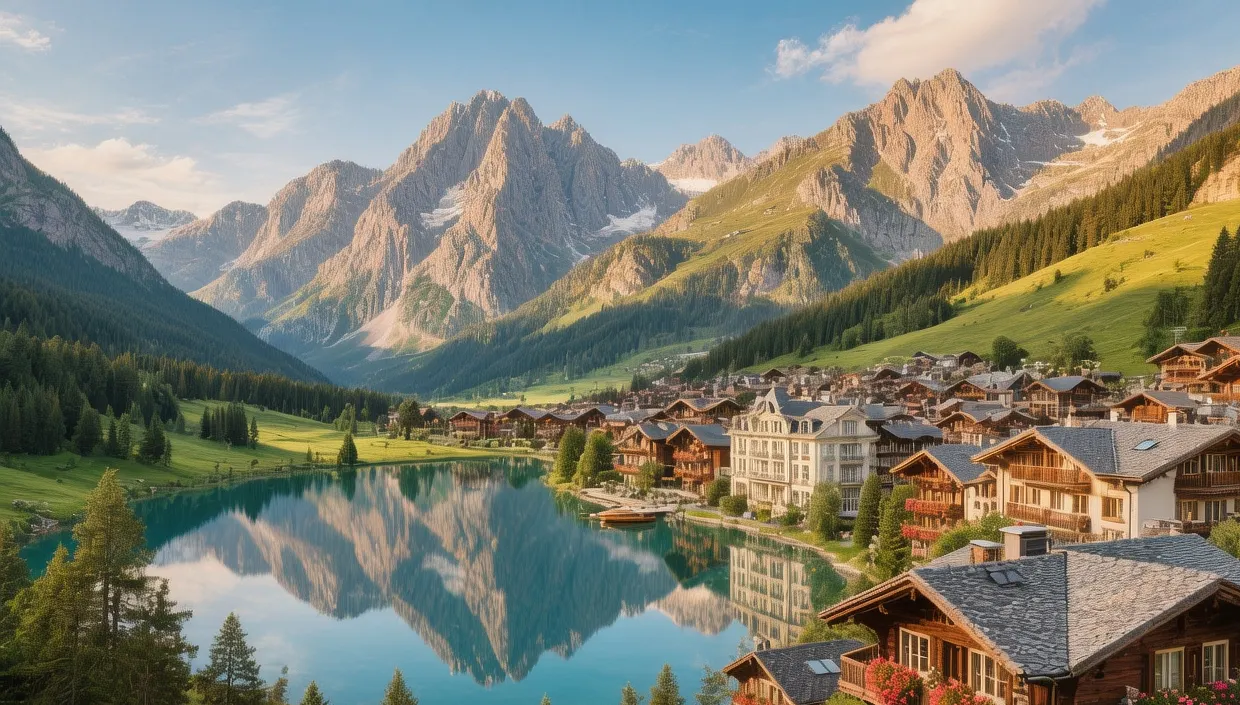
Arosa Mountain Resort: Where Car-Free Calm Meets High-Altitude Adventure
I step off the train at 10:05 on a bright September morning. The platform sits right in the village centre. No cars pass nearby. I buy a warm pretzel from the bakery across from the station. It costs three francs. The air feels thin and sharp at 1,775 metres. Larch trees show early gold on the slopes. Arosa does not feel like other Swiss resorts. It has no crowded through-roads, no exhaust fumes, no constant noise. That quiet defines the place. You arrive and the pace slows immediately.
Why Arosa Mountain Resort Matters
The first hotel opened here in 1877. The Chur–Arosa railway arrived in 1914, built specifically to open this high valley to visitors. Today the village stays largely car-free — a deliberate choice that shapes daily life. Arosa Lenzerheide ski area links 225 kilometres of pistes across two valleys. In summer, hundreds of kilometres of hiking trails spread outward from the doorsteps. The Arosa Bear Sanctuary opened in 2018, providing space for rescued brown bears and drawing visitors who come for wildlife as well as scenery. Some find the village layout spread out. The two main lift stations sit a 20-metre altitude difference apart. Walking between them takes effort. In winter, snow can linger on shaded paths well into spring. Facilities feel well kept but not ultra-modern. That suits some people perfectly and feels dated to others.
The Best Time to Experience Arosa
Late June through mid-September offers the warmest summer conditions. Daytime temperatures sit between 14°C and 22°C, or 57°F and 72°F. Nights drop to 7°C to 11°C, or 45°F to 52°F. July and August see the most visitors. September brings golden larch colour, thinner crowds, and readings of 12°C to 18°C, or 54°F to 64°F. This is widely considered the best month to be here. Winter from December through early April delivers reliable snow. Daytime averages sit between -4°C and 3°C, or 25°F to 37°F. The valley catches sun but also holds cold air. Morning temperatures can feel bitter. January and February offer the deepest snow base. March brings stronger sunshine and softer afternoons. The linked pass with Lenzerheide adds terrain across the ridge but requires planning to get the most value.
Approximate Budget for a 7-Day Trip
Prices are in Swiss francs per person.
- Accommodation: 140–280 francs per night. Mid-range hotel with breakfast included. Staying in a self-catered apartment cuts costs by roughly 40 percent. Premium lodges and spa hotels run significantly higher.
- Food: 60–95 francs daily. Mountain restaurant lunch averages 22–38 francs. Village cafés and bakeries offer simpler meals for 12–20 francs. Coffee costs about 4.80 francs.
- Transport & Lift Pass: Summer guest cards cover local buses and some lifts. Winter 6-day linked ski pass runs approximately 390 francs. Children under 9 ski free with an adult — a major saving for families.
- Attractions: 25–45 francs total. Bear sanctuary entry is roughly 16 francs. Most hiking trails and viewpoints cost nothing.
- Miscellaneous: 25–50 francs daily. This covers drinks, snacks, and small purchases.
Total estimated 7-day cost: 1,650–2,800 francs per person.
Organised day tours from Zurich charge 110–150 francs per person for a few hours here. Independent train tickets cost roughly 48 francs round trip. You stay longer and set your own schedule. The hotel-owned shuttle to the upper station carries a premium. The local bus covers the same route for standard fare if you do not mind waiting 15 minutes.
Essential Arosa Experiences
- Visit the Arosa Bear Sanctuary — Rescued brown bears roam across forested enclosures. Raised viewing platforms let you watch them from a respectful distance. They stay most active early morning and late afternoon. Skip if you arrive midday in summer; they often rest in shade and remain barely visible.
- Ride the Chur–Arosa Railway — The line climbs 1,172 metres through deep gorges and across curved stone viaducts. It opened in 1914 and remains an engineering landmark. Sit on the right side going up for the best views. The train runs hourly year-round.
- Hike to Grüenseeli — This circular trail leads past meadows and scattered forest to a small green lake. The water reflects the peaks above. The walk takes roughly three hours with gentle elevation. Bring a picnic; no large restaurant sits at the lake.
- Cross to Lenzerheide via the Urdenfürggli — The linked lift system carries you over the ridge. You descend into a different valley with its own villages and trails. The round trip takes a full day. Start early — last connections back leave before 4 PM in winter.
- Walk the Schanfigg Panoramic Trail section — The long-distance route follows the high shelf above the valley. It passes through Walser hamlets where traditional houses sit close together. Choose one section rather than trying the whole thing. It covers six stages end to end.
- Swim at the Arosa reservoir — Clear water surrounded by forest sits within easy walk of the village. The shoreline path stays open year-round. In summer, a floating platform and changing rooms operate. Water remains cool even in warm weather.
Hidden Gems Most Travelers Miss
- The trail toward Altein Lake and waterfall starts near the upper edge of the village. It climbs steadily past cascades and opens to a small blue lake backed by rock faces. Few day visitors walk this far. The quiet feels complete.
- Furggaalp meadow sits high above the railway line. It stays golden through September. A simple hut serves soup and rösti. The view looks straight down the valley toward Chur. No crowds gather here because it sits slightly off the main lift network.
- The historic church in Innerarosa has stood since 1493. It sits tucked beside the stream in the older part of the village. The stained glass feels warm and intimate. Most people walk past without noticing it.
- The main cable car terrace draws everyone for lunch. Walk five minutes downhill to the old Alpenrösli hut. Food tastes just as good and costs 10 to 15 francs less per dish. The atmosphere feels genuine and relaxed.
Cultural & Practical Tips
- Leave your car behind if you can. The village is car-free. You park at the entrance and take an electric taxi or shuttle in. That service adds cost and delay. The train drops you right in the centre with no hassle.
- Respect wildlife viewing rules. Keep voices low at the bear sanctuary. Loud noise stresses the animals. Stay behind barriers. They are not there just for show.
- Carry water and sun protection. High altitude means stronger UV and thinner air. You tire faster than at home. Drink more than you think you need.
- Check lift times carefully. The last connection back from Lenzerheide leaves early. Missing it means a long taxi ride or a bus through the valley floor. Plan your return before you cross the ridge.
- Book accommodation early. Families return year after year. Weeks around Christmas, February school holidays, and September fill months ahead.
- Wear sturdy shoes. Village paths climb and drop. Cobblestones and uneven steps appear everywhere. You will walk more than you expect. Comfortable footwear matters.
Essential Visitor Information
Location & Access: Arosa, Canton Graubünden. Approximately 125 kilometres or 78 miles southeast of Zurich. By train via Chur, total journey runs roughly 2 hours 10 minutes. The railway station sits directly in the village. By car, drive to the Innerarosa park-and-ride; electric taxis connect you onward. Parking fills early on weekends.
Tickets & Booking: Summer guest cards often include local buses and discounted lifts. Bear sanctuary entry approximately 16 francs. 6-day linked ski pass approximately 390 francs. Children under 9 ski free with paying adult. Book passes online for best rates.
Operating Hours: Village stays accessible year-round. Lifts run mid-December to mid-April and late June to late September. Some mountain restaurants close Mondays or Tuesdays outside peak season. Bear sanctuary opens daily except major holidays.
Visit Duration: Allow at least three full days. Five to seven days lets you explore both Arosa and Lenzerheide sides without rushing. Two days suffices if you focus on the bear sanctuary and nearby trails.
Family Suitability: Exceptionally family-friendly. Car-free streets mean safe play areas. Dedicated beginner zones and discounted passes for children. Strollers work on main paths but struggle on forest trails. Restrooms sit near all major entry points.
Timing: September balances warm days, golden larch colour, thinner crowds, and lower prices. Arrive before 10 AM to see the bears active. Weekdays stay quieter than weekends year-round.
Highlights: Bear Sanctuary, Chur–Arosa Railway, Grüenseeli circular hike, Urdenfürggli ridge crossing, Altein Lake waterfall trail.
Nearby & Day Trip: Chur — Switzerland’s oldest city — sits 1 hour by train. Lenzerheide connects via lift and trail network. Rhine Gorge and Caumasee are reachable in 45 minutes. Heidiland takes 40 minutes. Returning here each evening gives car-free quiet and dark skies.
Conclusion: Travel with Presence, Not Just Movement
Arosa does not shout. It does not need to. The car-free design alone changes how you breathe and move. Trains, not cars, bring you here. Quiet, not noise, fills the air. The bears, the forest, and the golden larch all ask you to slow down. Many places promise excitement. This one offers something rarer — space to simply be. When you visit somewhere this quiet, will you leave the noise behind?
Comments
Post a Comment