
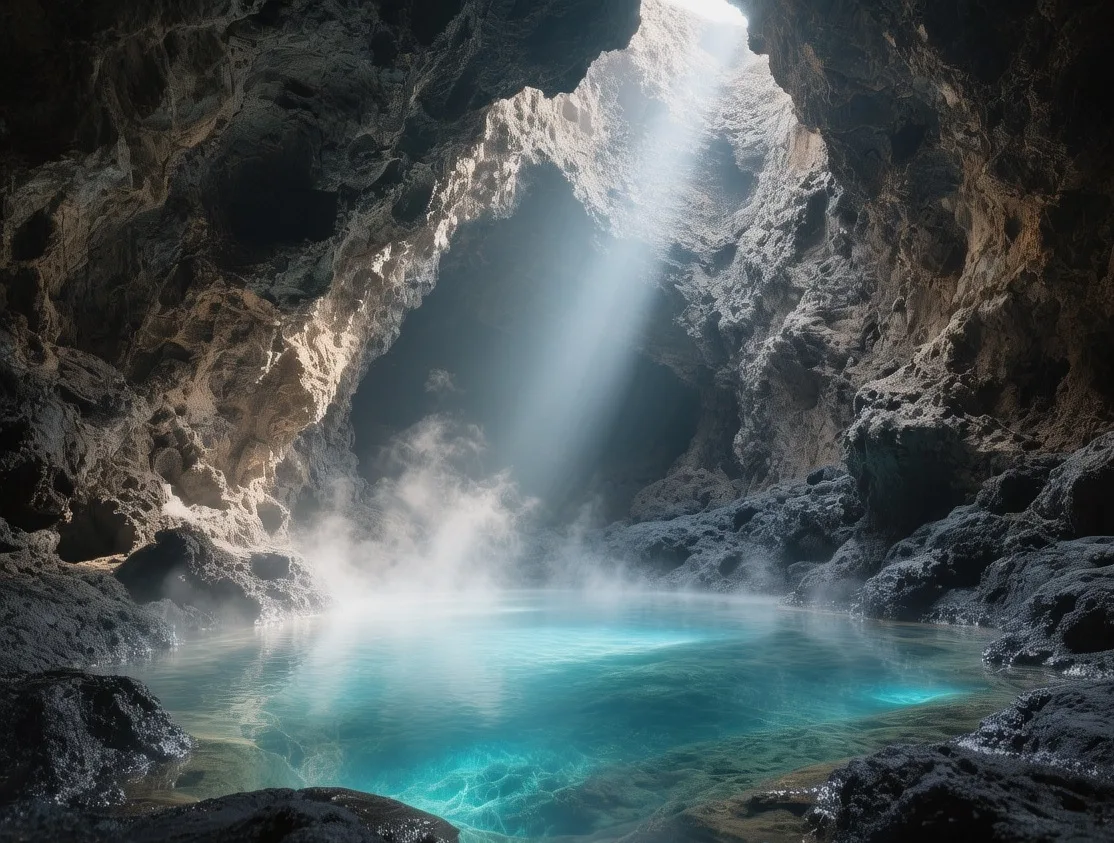
Grjótagjá Cave Geothermal Steam Meets Pop Culture Legend
The air inside the fissure is thick and humid, carrying the sharp, metallic scent of sulfur and wet stone. You crouch to enter the narrow mouth of the Grjótagjá cave, a lava tube carved into the basalt cliffside near Lake Mývatn. Inside, the darkness is broken only by the sliver of light from the entrance and the ethereal glow of steam rising from the water below. The pool shimmers in shades of turquoise and milky blue, heated by the earth's magma chambers to a steady 40–50°C (104–122°F). This isn't just a cave; it's a geological wound that healed into a sanctuary, famous globally as the setting for a pivotal scene in Game of Thrones. Yet, the water holds a secret history: in the 1980s, volcanic eruptions nearby sent temperatures soaring to 140°C (284°F), boiling alive the fish in the connected lake. In 2026, as tourism pressures mount on fragile volcanic sites, the Grjótagjá cave matters now more than ever—a symbol of the delicate balance between public access and geological safety, where the choice to observe rather than immerse determines whether this natural wonder survives for future generations.
Why Grjótagjá Cave Embodies Volcanic Mystery
The Grjótagjá cave represents far more than a filming location—it is Iceland's most accessible example of a water-filled lava tube and a testament to the island's volatile geological heartbeat. Formed during the Mývatn Fires eruption between 1724 and 1729, the cave is part of the Krafla volcanic system. For centuries, it served as a storage site for dried fish and a bathing spot for locals, solving a critical need for warmth in a harsh northern climate. However, the nearby Krafla Fires eruption from 1975 to 1984 fundamentally altered the cave's hydrothermal system. During this period, water temperatures inside the Grjótagjá cave spiked to 140°C (284°F), making it lethal for bathing. Although temperatures have since cooled to a stable 40–50°C (104–122°F), the water quality remains unstable due to chemical changes from the volcanic activity.
Technical specifications highlight the engineering of nature itself. The cave is approximately 10 meters (33 feet) long and 5 meters (16 feet) high at its peak. The water depth varies from 0.5 to 1 meter (1.6–3.3 feet), fed by underground springs that mix with groundwater. The basalt walls are stained with silica and sulfur deposits, creating a vibrant palette of yellows, oranges, and blacks. Designated a protected natural monument, the site draws 200,000+ visitors annually, largely due to its appearance in Game of Thrones Season 3. The Grjótagjá cave fulfills a human need for connection to the earth's raw power, offering a visual link to the magma chambers simmering beneath the crust. It proves that preservation sometimes requires restriction, ensuring the cave remains a site of wonder rather than a hazardous tourist trap.
The Best Time to Experience Grjótagjá Cave
Timing your visit to the Grjótagjá cave requires balancing lighting conditions, road accessibility, and crowd density. For optimal photography with manageable tourism, target June 15–August 31. During these summer months, temperatures range from 10–18°C (50–64°F), and the access road (Route 863) is fully paved and clear of snow. Daylight stretches 20–24 hours, allowing visits between 8:00–10:00 PM when the light is soft and crowds thin. The steam inside the cave is most visible against the dark interior during these hours. However, this is peak season; arrive before 9:00 AM to avoid tour buses.
For winter photography and atmospheric contrast, visit between November 1 and March 31. Temperatures drop to -5–5°C (23–41°F), and the steam rising from the cave mouth creates dramatic plumes against the snow. The road requires a 4x4 vehicle with winter tires. Plan your visit between 11:00 AM–3:00 PM for maximum daylight. However, avoid December 20–January 10 unless prepared for extreme weather; storms can close Route 1 temporarily, and daylight shrinks to 4–5 hours. Also skip July 10–August 10 if you dislike congestion; this peak window brings 1,000+ daily visitors. For real-time road conditions and weather.
Approximate Budget for a 7-Day Trip (2026)
Exploring the Grjótagjá cave anchors a week-long North Iceland adventure. This budget assumes a 7-day trip based in Akureyri or Mývatn with day trips to the cave. Prices reflect 2026 rates, accounting for Iceland's average 3.8% annual inflation from 2024–2026 (source: Statistics Iceland). All amounts shown in euros; multiply by 1.08 for USD equivalents. Note that Iceland uses ISK, but € is provided for international comparison.
Accommodation: €150–€320 per night
• Budget guesthouse in Mývatn (Reykjahlíð): €150–€200
• Mid-range hotel (Akureyri area): €220–€280
• Luxury (Hotel Laxá or similar): €380–€550
• Camping (seasonal, Mývatn): €25 per person
Food: €55–€95 per day
• Breakfast: €12–€18 (hotel buffet or bakery pastry + coffee)
• Lunch: €18–€28 (Icelandic lamb soup, fish of the day, or hot dog)
• Dinner: €25–€49 (pan-fried Arctic char or traditional lamb)
• Groceries (self-catering): €35/day
Transportation:
• Keflavík Airport to Akureyri Flight: €120 round-trip
• Rental car (4x4 SUV, 7 days): €450 + €180 fuel
• North Iceland day tour: €110
• Reykjavík city bus (Strætó): €3.50 per ride
• Grjótagjá parking: Free
Attractions:
• Grjótagjá cave visit: Free
• Mývatn Nature Baths: €75
• Hverir geothermal area: Free
• Perlan Museum: €30
• Blue Lagoon day trip: €110
• Golden Circle tour: €95
• Whale watching Akureyri: €85
Miscellaneous:
• Icelandic wool sweater (lopapeysa): €110–€180
• Thermal base layers: €90
• Travel insurance: €55
• Souvenirs (lava rock, handicrafts): €40
• Tips (not expected but appreciated): €25
Total for 7 days (mid-range): €2,350–€2,700 per person
Total (budget-conscious): €1,550–€1,800 per person
6 Essential Grjótagjá Cave Experiences
1. View the Cave Interior: Park at the designated lot and walk 2 minutes to the cave entrance. Crouch to enter the narrow opening. Visit at 8:00–9:00 AM to avoid crowds. The steam inside is thick; bring a mask if sensitive to sulfur. This is the most iconic view of the Grjótagjá cave.
2. Photograph the Turquoise Water: Position yourself at the entrance to frame the water against the dark basalt. The best light occurs between 10:00 AM–12:00 PM when the sun illuminates the steam. Use a tripod; the interior is dim. This is the shot that defines North Iceland photography.
3. Explore the Surrounding Lava Field: Walk the 1-kilometer loop around the cave exterior. The black lava rocks contrast with green moss. Visit at 2:00–4:00 PM for optimal lighting. The terrain is uneven; wear sturdy boots. This perspective emphasizes the volcanic landscape surrounding the cave.
4. Visit the Game of Thrones Stone: A commemorative stone stands near the parking area marking the filming location. Visit at 3:00–5:00 PM. Read the plaque detailing the Season 3 filming. This context transforms the visit from tourism to pop culture pilgrimage.
5. Combine with Mývatn Nature Baths: Since bathing in Grjótagjá is prohibited, drive 10 minutes to the Nature Baths. Visit at 5:00–7:00 PM. The geothermal water there is safe for swimming. This combination offers the visual of Grjótagjá with the relaxation of the baths.
6. Watch Sunset Over Krafla: From the cave entrance, look north toward the Krafla volcano mountains. In summer, the sun sets after 11:00 PM. Visit at 10:00–11:00 PM in June. The light reflects off the steam. This perspective emphasizes the volcanic landscape surrounding the baths.
3 Hidden Gems Most Travelers Miss
• Lúdentshellir Cave: Located 5 kilometers west of Grjótagjá on Route 863. This lava tube is larger and allows walking inside. Access via a small parking pull-off. Why overlooked: Tourists head straight to Grjótagjá; Lúdentshellir requires a short detour. Best visited at 9:00–10:00 AM. Insider tip: Bring a flashlight; the interior is completely dark.
• Víti Crater: Located 15 kilometers north near Krafla. This explosion crater features a turquoise geothermal lake you can bathe in (seasonally). Access via Route 863. Why overlooked: Requires a gravel road drive; often skipped for Mývatn. Coordinates: 65.7333° N, 16.8167° W. Best visited at 12:00–2:00 PM. Insider tip: Check water temperature before entering; it fluctuates.
• Höfði Peninsula: Located 10 kilometers east of the cave. This historic site features a old farmhouse and bird cliffs. Access via Route 848. Why overlooked: Requires driving away from the main tourist track. Coordinates: 65.6000° N, 16.9000° W. Best visited at 7:00–8:00 AM for bird activity. Insider tip: The view back toward Grjótagjá is stunning from here.
Cultural & Practical Tips
• Do not bathe: Bathing in the Grjótagjá cave is strictly prohibited. The water quality is unstable and can cause skin irritation. Staff monitor the site; fines apply for violations. This ensures the cave remains accessible for viewing.
• Weather preparation: North Iceland experiences rapid weather changes. Even in summer, bring waterproof layers and windproof jackets. Temperatures at the cave average 3–5°C cooler than Akureyri. Check www.vedur.is for forecasts before hiking.
• Learn these Icelandic phrases:
— Takk (tahk): Thank you
— Góðan daginn (go-than dy-in): Good day
— Grjótagjá (gryoh-ta-gyow): The cave's name
— Fallegt (fah-lekt): Beautiful
Icelanders appreciate effort; pronunciation matters less than attempting the language.
• Photography guidelines: Photography is allowed inside the cave but respect other guests' privacy. No drones without written permission. The steam can obscure lenses; bring a cloth. Best light: Evening (6:00–9:00 PM) in summer; midday (12:00–2:00 PM) in winter.
• Footwear requirements: The path to the cave is gravel and stone. Wear sturdy hiking boots with ankle support. Avoid sneakers or flip-flops. In winter, crampons are mandatory; the path freezes and becomes dangerously slick.
• Respect the ban: The bathing ban is in place for your safety. Do not attempt to test the water. The chemical composition can change rapidly due to volcanic activity. Stay on the marked path.
Conclusion: Travel with Respect, Not Just Immersion
The Grjótagjá cave demands more than a quick photo—it asks for respect. As you stand before that steaming turquoise pool, recognizing that you're not just visiting a landmark; you're entering a zone where geological history is written in stone and water. In 2026, as tourism pressures mount on fragile volcanic sites, Grjótagjá offers both wonder and warning: that nature's beauty is finite, that safety outweighs curiosity, and that future generations deserve to experience this landscape safely. Slow down. Listen to the hiss of the steam. Feel the heat that radiates from the rock. Understand that this cave exists as both masterpiece and hazard. When you visit the Grjótagjá cave in 2026, don't just capture the steam for social media—contemplate the forces that created it. Don't just check a box—honor the restrictions that protect it. Iceland preserves this site not as a playground, but as a teacher. Learn. Reflect. Carry this respect home. The world needs more guardians of wild places, not just conquerors of views.