Haga Gothenburg: Where Cobblestone Meets Neighbourhood Soul
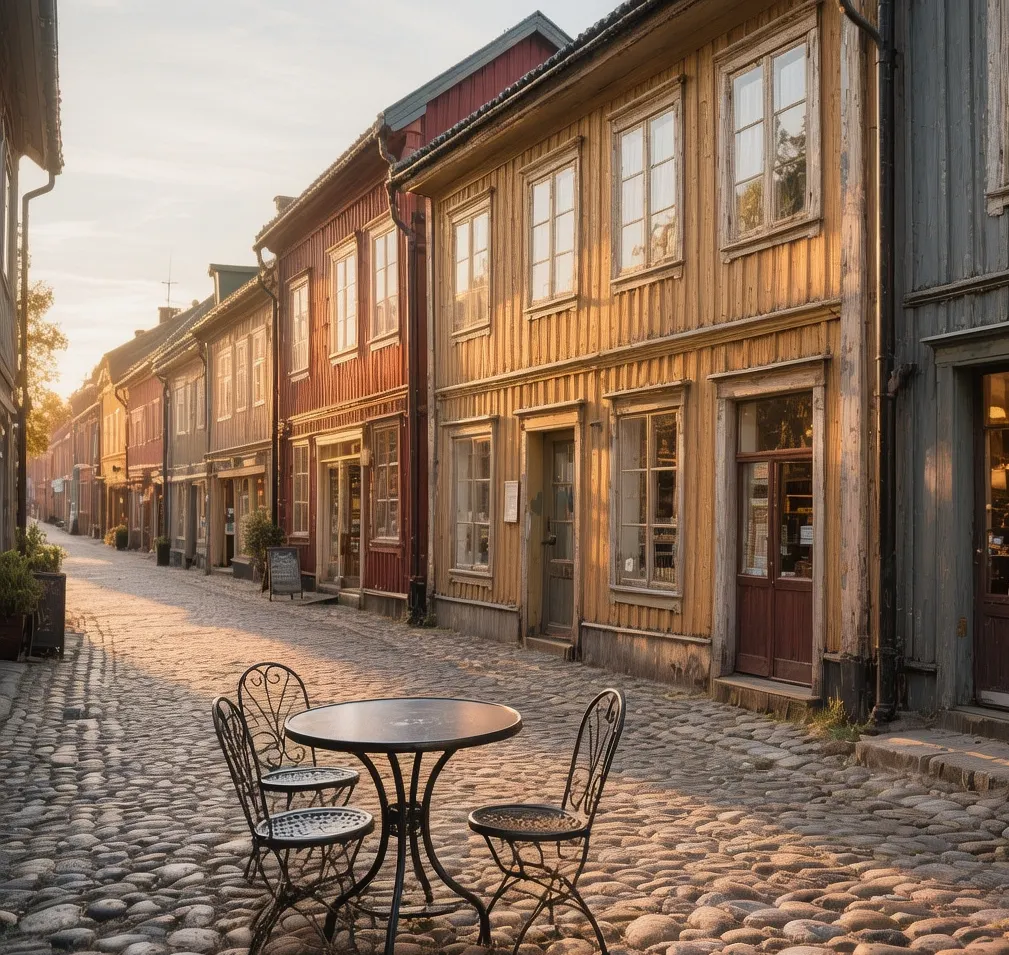
I walk Haga Nygata at ten past nine on an April morning. Cobblestones glisten under light rain. I paid nothing to wander the lanes — public access is free. A cinnamon bun at a neighbourhood bakery cost 45 SEK. The scent of cardamom and fresh yeast drifts from doorways. Wooden houses line the street — painted deep red, warm yellow, soft white — with steep roofs and flower boxes beneath every window. A cyclist passes slowly, waving. By midday tour groups fill the pavements. Queues form outside the most famous cafés. Come early and the district feels entirely yours.
Why Haga Matters
Haga began growing in the 17th century just outside Gothenburg’s city walls. For generations it housed workers, artisans, and sailors — a place where people lived close together, built community, and stayed. By the 1960s large parts were marked for demolition. Residents fought to save their homes. What stands today is partly original, partly carefully restored — a rare surviving example of wooden urban architecture in Sweden. It became a symbol of people power — proof that neighbourhoods matter more than development plans. Yet popularity brings change. Property prices rise beyond local reach. Some streets feel more like sets than living areas. The charm is real — but so is the quiet shift.
The Best Time to Experience Haga
Mid-June through mid-August brings long light and warm evenings — 16°C to 21°C (61°F to 70°F). Outdoor tables fill and trees stand full and green. Crowds gather between 11:00 and 15:00, especially Saturdays. Late August into September offers golden light and thinner crowds — 12°C to 17°C (54°F to 63°F). This is the best all-around season. October through April the district quiets — 1°C to 6°C (34°F to 43°F). Days grow short; some smaller cafés close Mondays. The streets feel intimate and almost empty. May blooms fresh — 7°C to 13°C (45°F to 55°F). Lilacs and roses cover the house fronts. Avoid Midsummer weekend. Every lane fills. Weekdays before 10:00 give you Haga at its most genuine.
Approximate Budget for a 7-Day Trip
Most visitors stay in central Gothenburg and walk or cycle to Haga. Here is what one week costs for two people.
- Accommodation: 9,450 SEK — 7 nights central guesthouse at 1,350 SEK nightly. Staying closer to Haga costs roughly 1,500 SEK more per night — far beyond most budgets.
- Food & Drink: 980 SEK per person daily. Famous cafés on main street charge premium rates. Eating one lane back or in surrounding districts saves 25–30%.
- Transport: Round-trip train Stockholm–Gothenburg 1,800 SEK. Local transit pass 320 SEK per person. Walking or cycling covers Haga entirely.
- Attractions: Free entry everywhere. Local museum 160 SEK total. Guided walk 200 SEK per person.
- Miscellaneous: 850 SEK for pastries, coffee, and small crafts.
Total estimate: 13,740 SEK for two people. One warning: the most photographed cafés charge double for simple drinks. Step two doors down — same recipes, fairer prices, quieter seating.
Essential Haga Experiences
- Wander the Full Main Street at Dawn — From the park to the old gate. The pattern has remained for centuries. No crowds, no noise, just the district waking. Skip this if you sleep late; the atmosphere shifts fast after 10:30.
- Visit a Local Bakery Early — Fresh pastries straight from the oven. The smell alone is worth the walk. Go before 09:00 for widest selection and shortest queues. Most day-trippers arrive later.
- Walk the Quiet Side Alleys — Behind the main thoroughfare lanes run narrower, greener, quieter. Real life unfolds here — children playing, doors opening, laundry hanging. Keep voices low; people live here.
- Relax in the Park at Dusk — Large green space borders the district. Old trees, open lawn, benches. Locals gather as day ends. Most visitors leave before sunset. Stay late and the atmosphere softens.
- Climb the Steps to the Old Lookout — Short steep path rises above the rooftops. Red roofs stretch below, church spire beyond. The whole district unfolds. Almost no tourists find this spot.
- Explore the Sunday Market — Handcrafts, vintage, fresh produce. Small and local, not large scale. Check dates — runs only certain weeks. Skip it if crowds feel overwhelming; it gets tight fast.
- Winter Empty Streets — Grey wood, bare branches, mist. The district feels as it did generations ago. Dress warmly and check opening times — many places close midweek.
Hidden Gems Most Travelers Miss
- North Lane Courtyards — Passages open onto hidden yards. Old wells, wooden fences, climbing roses. Some are private — stand respectfully at the edge.
- Old Churchyard Path — Quiet, shaded, almost empty. Ancient gravestones, tall trees. The district boundary runs along the far wall. Few visitors notice.
- Park Back Path — Follows the treeline away from main benches. Wildflowers, birds, quiet corners. Leads toward the older residential edge.
- Main Street Cafés — Famous but overpriced. Step one lane inward. Same pastries and coffee for less money and no queue.
Cultural & Practical Tips
- Wear sturdy shoes. Cobblestones are uneven and slippery when damp. High heels are impractical and dangerous.
- Respect private space. Many houses are lived in. Photograph from the street only. Do not enter gates or lean on doors.
- Book accommodation early. Central and Haga-area rooms sell out months ahead. Last-minute choices are expensive or gone.
- Check opening times. Small independent cafés close Sundays and Mondays outside peak season. Plan accordingly.
- Cycle if you can. Gothenburg is built for it. You reach Haga quickly and stop wherever the view looks best.
- Keep voices low. Sound carries down enclosed lanes. People work, rest, and raise families here.
- Return more than once. Haga changes completely between morning, midday, and evening. One visit cannot capture it all.
Essential Visitor Information
Location & Access: Haga, central Gothenburg. Walk from city centre 10–15 minutes. Tram or bus from central station 5 minutes. Train from Stockholm 3 hours. Fly to Gothenburg Landvetter then bus 30 minutes.
Tickets & Booking: Streets and lanes free always. Museum approx 160 SEK adult. Guided walk 200 SEK. No booking needed for individuals.
Operating Hours: Public access 24 hours daily all year. Shops and cafés generally 10:00–18:00, shorter hours Sundays and winter weekdays.
Visit Duration: Minimum 2 hours. Recommended half day including side lanes, park, and coffee stop.
Family Suitability: Excellent. Flat terrain, safe open spaces, engaging atmosphere. Stroller access possible — cobblestones slow progress. Supervise near busy approach roads.
Timing: Best season: late August to September. Best time of day: 08:30–10:00 or after 17:00.
Highlights: Dawn main street walk, early bakery visit, quiet side alleys, park dusk, lookout view, winter silence.
Nearby & Day Trip: Gothenburg city centre 1 km. Universeum science centre 15 minutes. Archipelago ferries 20 minutes. Marstrand island 45 minutes drive.
Conclusion: Travel as Neighbour, Not Just Visitor
Haga is not a museum frozen in time. It is a living place where people have fought to keep their homes for centuries. You will find crowded lanes in summer, premium prices on the main street, and quiet shifts that worry those who love it most. You will also find a neighbourhood that still breathes — where history is not watched, but lived. Will you walk gently, so the soul remains for those who call it home?
Comments
Post a Comment