Klosters-Serneus: Where Royal Favour Meets Mountain Soul
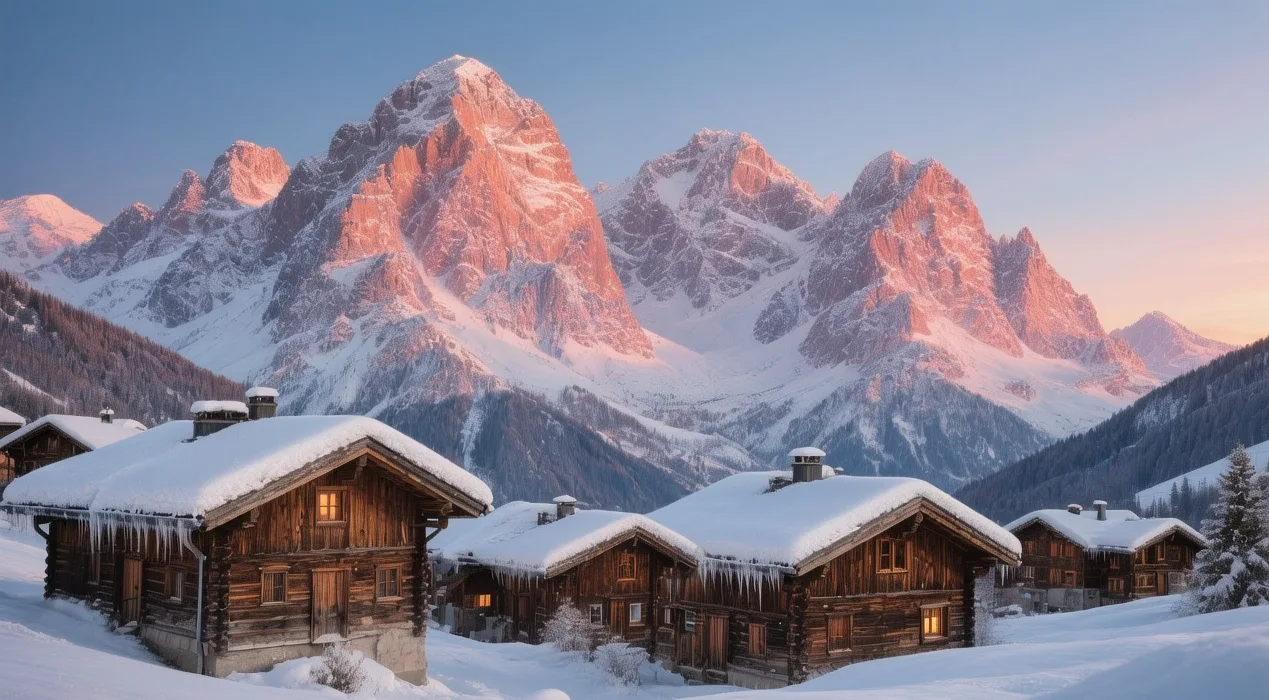
I walk from the station into Klosters Dorf at 11:20 on a crisp October morning. Sunlight slants across the valley floor. I buy a warm apple strudel from a bakery on the main lane. It costs four francs. Wooden chalets stand close together, their dark beams carved with patterns passed down through generations. The village sits at 1,200 metres where three valleys meet. One road leads upward to the Gotschna peak, another down toward Landquart, a third across to Davos. People come here for quiet as much as for views. That balance — between fame and stillness — defines the place.
Why Klosters-Serneus Matters
The two villages merged formally in 2009, though they have stood side by side for centuries. Serneus sits lower and quieter, its stone houses clustered around a mineral spring known since Roman times. Klosters rose to prominence in the 19th century as a health and mountain destination. British royal connections stretch back to the 1930s; today it remains a favoured retreat. That fame brings steady visitors and premium prices. It also means crowds gather at popular spots. Locals speak gently but clearly about feeling overshadowed by the glamour attached to their home. The atmosphere feels polite but reserved. Service moves at its own pace. Some find that charm; others find it slow. Beyond the well-known hotels, traditional life continues in farmhouses and workshops tucked along the side valleys.
The Best Time to Experience Klosters-Serneus
Late June through mid-September offers green slopes and long days. Daytime temperatures sit between 14°C and 23°C, or 57°F and 73°F. Nights drop to 7°C to 12°C, or 45°F to 54°F. July and August see the most visitors. September brings golden light, thinner crowds, and readings of 12°C to 18°C, or 54°F to 64°F. Larch trees turn bright gold by late September — widely considered the most beautiful time here. Winter from December through April delivers dependable snow. Daytime averages sit between -3°C and 4°C, or 27°F to 39°F. The Gotschna sector opens early and stays late. January and February offer the deepest base. March brings stronger sunshine and softer afternoons. Spring thaw limits access to higher trails from mid-April until late May. Check opening dates before travelling; some lifts close for maintenance in between seasons.
Approximate Budget for a 7-Day Trip
Prices are in Swiss francs per person.
- Accommodation: 180–380 francs per night. Klosters Dorf and Platz command the highest rates. Staying in Serneus or self-catered apartments saves 50 to 90 francs nightly. Premium lodges cost significantly more.
- Food: 70–110 francs daily. Lunch at a mountain restaurant averages 26–42 francs. Village bakeries and casual cafés offer meals for 14–24 francs. Coffee costs roughly 5 francs.
- Lift Pass: 6-day combined pass runs approximately 395 francs. Daily rates start at 72 francs. Children under 16 receive substantial discounts. Early booking online saves 10–15 percent.
- Attractions & Activities: 30–65 francs total. Serneus mineral bath entry is roughly 28 francs. Most hiking paths cost nothing. Guided mountain tours carry separate fees.
- Miscellaneous: 30–55 francs daily. This covers drinks, snacks, and local transport.
Total estimated 7-day cost: 1,900–3,200 francs per person.
Private guided ski or hiking tours cost 180 francs or more per person. Local mountain guides offer small-group sessions for roughly 95 francs that cover the same terrain. Dining at the most famous hotels carries a clear premium. Walk two streets away and similar meals cost 15 to 25 francs less per person.
Essential Klosters-Serneus Experiences
- Ride the Gotschna cable car — The large cabin lift climbs to 2,223 metres in minutes. From the top station you look across toward Davos and the Silvretta range. The panorama opens wide and immediate. Arrive before 9 AM to have the viewing platform almost to yourself.
- Walk the Serneus Gorge trail — The path follows the stream through forest and limestone walls. Wooden boardwalks carry you past small cascades and mossy boulders. It runs 4 kilometres one way and stays mostly flat. Skip if you dislike narrow damp sections or low rock overhangs.
- Soak at Serneus Mineral Baths — Water rises from deep underground at 21°C. Indoor and outdoor pools sit beside the stream. The atmosphere feels calm and unpretentious. Book ahead; slots fill quickly on weekends.
- Hike the Höhenweg to Casanna — This high traverse runs 7 kilometres across open meadow with constant valley views. It starts at the top of the Gotschna lift. Allow three hours. Parts stay exposed; wear windproof clothing even on calm days.
- Explore the historic centre — Klosters Platz holds timber houses dating to the 17th century. The church with its tall slender spire sits quiet beside the main road. Plaques explain building history. Most people walk past without noticing the details.
- Ride the Rhaetian Railway through the valley — The line from Landquart climbs steadily past meadows and farmsteads. It stops at Klosters Dorf, Klosters Platz, and continues upward through the Vereina Tunnel. Sit on the right side for the best views.
Hidden Gems Most Travelers Miss
- The path to Alp Garfiun starts near Serneus and climbs gently through forest. It opens onto a wide meadow with views straight down the valley. A simple hut serves soup and bread. Almost no day visitors walk this far. It takes one hour and feels entirely separate from the main resort.
- Monbiel village sits 20 minutes by bus above Klosters. Timber houses cluster around a chapel. The lanes stay quiet and unmarked on most tourist maps. The view back across the peaks feels different from anywhere else.
- The chapel at Larein sits tucked beside the stream on the road toward Davos. It dates to the 15th century. The door stands open during daylight. Inside, soft light falls on ancient wood. No crowds gather here.
- The most popular terrace at Gotschna draws everyone for lunch. The smaller hut 15 minutes’ walk down toward Casanna serves hearty food at fairer prices. The view is just as good and the atmosphere relaxed.
Cultural & Practical Tips
- Book accommodation three months ahead for Christmas, February school holidays, and golden larch season late September. Popular dates fill quickly and prices rise accordingly.
- Dress modestly in village centres. Shorts and tank tops draw stares in Serneus and older lanes. Covering shoulders and knees shows respect.
- Check bus times carefully. Services to Monbiel and Serneus run once or twice an hour. The last return can be as early as 6 PM in off-season. Missing it means a long walk or expensive taxi.
- Stay on marked paths. Steep slopes hide loose rock and hidden ravines. Cutting corners causes erosion and dangerous falls. Respect private land above the trail line — farmers work these slopes for a living.
- Do not ask locals about famous visitors. They respect privacy and will not discuss who stays where. It is considered rude to press the subject.
- Carry cash. Small cafés, huts, and stalls do not always take cards. Signal drops out on higher trails. Plan before you leave populated areas.
Essential Visitor Information
Location & Access: Klosters-Serneus, Canton Graubünden. Approximately 130 kilometres or 81 miles southeast of Zurich. By train via Landquart, total journey runs roughly 2 hours. The Rhaetian Railway serves both Klosters Dorf and Klosters Platz stations. By car, take the A13 motorway and follow signs. Parking fills early on weekends; use public transport if you can.
Tickets & Booking: Gotschna–Parsenn 6-day lift pass approximately 395 francs. Serneus Mineral Baths entry roughly 28 francs. Children under 16 receive 30–50 percent off most attractions. Book online in advance for best rates.
Operating Hours: Lifts operate mid-December to mid-April and late June to late September. Some stations close Mondays or Tuesdays off-peak. Serneus baths stay open year-round. Village shops open 9 AM to 6 PM weekdays, close earlier Saturdays, stay closed Sundays.
Visit Duration: Allow at least three full days. Five to seven days lets you explore both sides of the valley and higher trails without rushing. Two days suffices if you focus on the gorge, baths, and Gotschna viewpoint.
Family Suitability: Families welcome. Gentle trails and beginner zones exist across both sectors. Strollers work in Serneus and main village centres but struggle on mountain paths. Restrooms sit near stations and baths. Keep children close near unguarded drops and stream edges.
Timing: Late September balances warm days, golden larch colour, thinner crowds, and fair prices. Arrive before 9 AM to have Gotschna nearly to yourself. Weekends draw day trippers from across the region.
Highlights: Gotschna cable car panorama, Serneus Gorge, Höhenweg to Casanna, Serneus mineral baths, historic timber centre.
Nearby & Day Trip: Davos sits 20 minutes by train across the pass. Arosa is reachable in 45 minutes. Chur — Switzerland’s oldest city — takes 30 minutes. Rhine Gorge lies 40 minutes away. Returning here each evening gives quieter streets and slower pace.
Conclusion: Travel with Respect, Not Just Glamour
Klosters-Serneus carries a famous name. That reputation draws visitors, but the real place stands deeper. It holds quiet lanes, working farms, and families who have lived here for generations. The glamour is just one layer. The mountain soul remains beneath. When you visit somewhere known for fame, will you also look for the quieter, truer parts?
Comments
Post a Comment