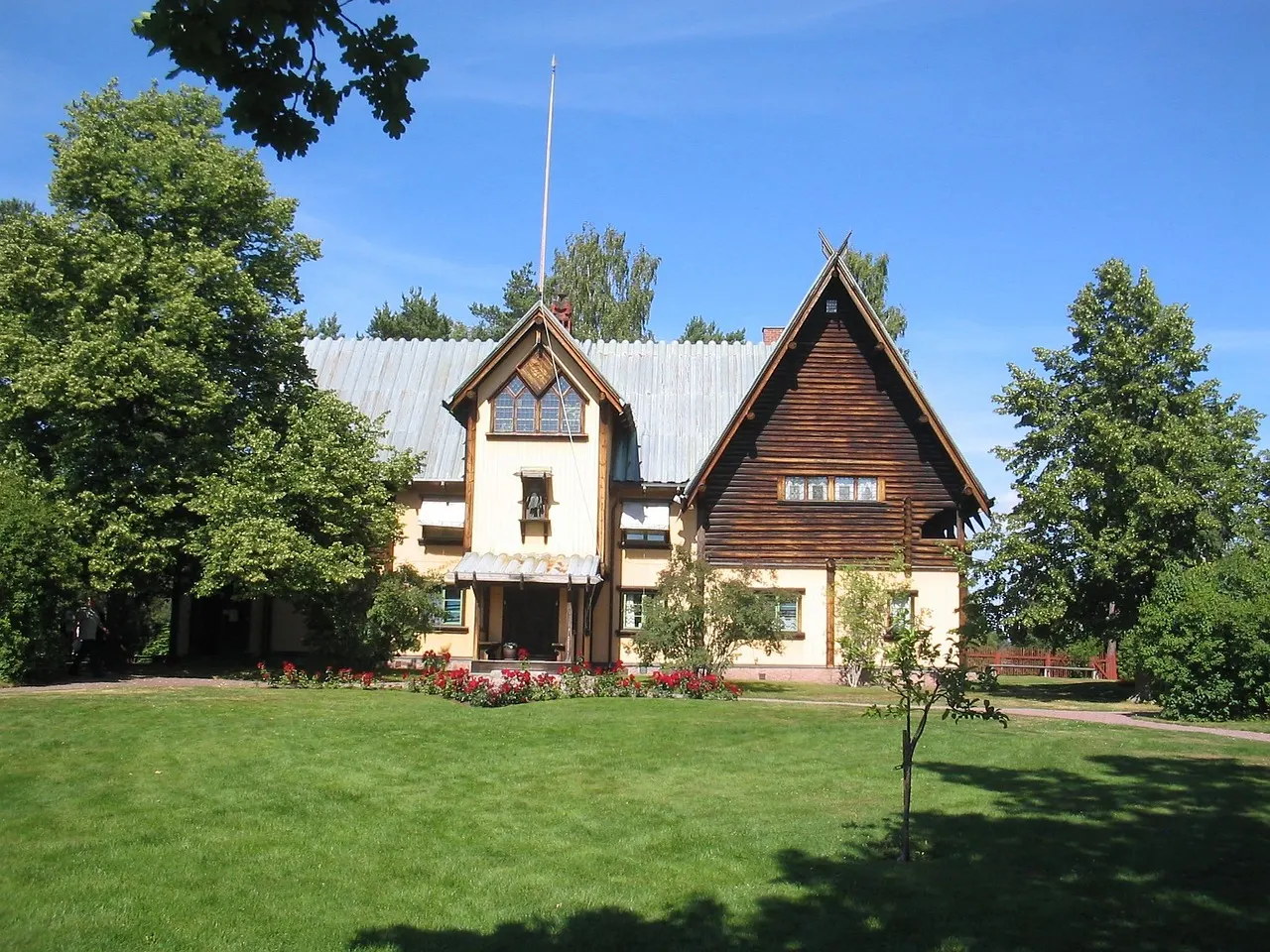
Mora Zorn Museum: Where Art Meets Village Life
I step through the museum gates at quarter past eleven on a bright July morning. Sun falls across the lawn and the red timber house behind it. I paid 150 SEK for adult entry. That covers the main gallery and the adjacent home where Anders and Emma Zorn lived. The air inside feels cool and quiet. Paintings line every wall — portraits, nudes, dancing figures, lakeside scenes. They show Dalarna as it was a century ago — people in traditional dress, festivals, long summer evenings. The work feels alive. Yet the museum receives far fewer visitors than the town’s more famous attractions nearby. And the upper floor can feel cramped when groups arrive together.
Why the Zorn Museum Matters
Anders Zorn was born in 1860 in Mora. He rose from humble beginnings to become one of Europe’s most celebrated painters, etchers, and sculptors. He traveled the world — Paris, London, New York — but returned to Mora again and again. He built his home here, donated land to the community, and helped preserve local traditions. The museum opened in 1939, designed to hold his life’s work. Today it stands as one of Sweden’s most significant single-artist collections. You see not just paintings, but the world that shaped them — the people, the light, the lakeshore. But the museum matters for another reason. It shows how a global star chose his home. He gave back generously. Yet some locals feel his legacy is showcased better than the living culture it grew from. The museum draws eyes outward; the village itself can feel overlooked.
The Best Time to Experience the Zorn Museum
Mid-June through mid-August brings long light and full opening hours — 15°C to 22°C (59°F to 72°F). The museum stays open late. Mora feels lively with festivals and markets. Late August through September offers golden light and fewer crowds — 10°C to 16°C (50°F to 61°F). This is the best season to visit; the lake and surrounding woods match the paintings. October through April sees shorter days and reduced hours — -2°C to 4°C (28°F to 39°F). Groups are rare; you may have rooms to yourself. May is transitional — fresh green but unpredictable rain. Avoid midday in July. Bus tours arrive between 11:30 and 13:30. Come before 10:30 or after 14:30 and you will see the work more clearly.
Approximate Budget for a 7-Day Trip
Most visitors base themselves in Mora and explore the surrounding Siljan Lake region. Here is what one week costs for two people.
- Accommodation: 8,050 SEK — 7 nights guesthouse at 1,150 SEK nightly. Staying in a self-catering cottage outside town cuts this to roughly 6,300 SEK.
- Food & Drink: 840 SEK per person daily. Central Mora restaurants charge premium prices. Cooking breakfast and simple dinners saves noticeably.
- Transport: Round-trip train Stockholm–Mora 1,500 SEK. Local bus and walking work well in town. Car rental 600 SEK per day for lake area exploration.
- Attractions: 300 SEK total for Zorn Museum entry. Other local museums and exhibitions approx 800 SEK total.
- Miscellaneous: 750 SEK for coffee, gifts, and local produce.
Total estimate: 12,940 SEK for two people. One warning: the museum gift shop carries beautiful prints but prices run high. Local bookstores in Mora offer similar works at lower cost.
Essential Zorn Museum Experiences
- Main Gallery Portrait Room — Zorn’s depictions of family, friends, and local people. The eyes follow you. The brushwork feels loose and alive. Stand close then step back. The image changes entirely. Skip this if you dislike crowds; the room is narrow and fills fast.
- Anders Zorn’s Former Home — Adjacent to the gallery. Furnished as during his lifetime. Art hangs beside everyday objects. You see how he lived — not just how he painted. No photos inside; respect the quiet.
- Watercolour and Etching Collection — Smaller, quieter room. Delicate works on paper. Light touches, quick lines. They show his speed and precision. Few visitors linger here — take your time.
- Lakeshore Walk in His Footsteps — Path behind the museum leads to the water. Zorn painted these shores repeatedly. The view matches the canvases. Best seen late afternoon when light softens.
- Traditional Dress and Textiles Display — Local costumes that inspired his work. Embroidered details, silver buttons, deep reds. You recognize patterns from the paintings. It connects art to real life.
- Summer Evening Concert — Occasional events in the garden. Music, light, lake breeze. Tickets cost extra and sell out fast. Worth booking months ahead if you can.
- Winter Quiet Visit — Low sun, pale light, almost no one else. The paintings feel different — warmer, more intimate. Dress warmly; the old building stays cool inside.
Hidden Gems Most Travelers Miss
- The Garden Sculptures — Small bronzes placed around the lawn. Easy to miss. They show Zorn’s less-known work in three dimensions. Walk slowly around the edges.
- Upper Floor Side Gallery — Fewer people climb all the way up. More watercolours, sketches, personal pieces. The view out over the roof tops toward the lake is also excellent.
- Old Church Path — Behind the museum, a lane leads to Mora’s 13th-century church. Zorn worshipped here. Quiet, tree-lined, almost no one walks it.
- Museum Café Souvenirs — Convenient but marked up. Walk two blocks to the main square for postcards, prints, and books at fairer prices.
Cultural & Practical Tips
- Remove shoes or wear covers inside the historic home. It is required and helps protect the floors and textiles.
- No photography inside. It is not just a rule; it preserves the paintings from light damage and respects the quiet atmosphere.
- Check opening days before traveling. The museum closes Mondays from September through May. Arriving then means missing out entirely.
- Allow 90 minutes minimum. Many visitors rush through in 40. You need time to let the work settle. Slow down.
- Do not carry large bags. Lockers are available but small. Travel light and enjoy the space unencumbered.
- Visit the lake shore after. The paintings make far more sense once you see the light and water they came from.
- Respect local privacy. The museum sits in a living neighbourhood. Keep noise low and park in designated areas only.
Essential Visitor Information
Location & Access: Zornmuseet, Vasagatan 36, 792 31 Mora. Central Mora, 5 minutes walk from the main square. Train from Stockholm takes 3.5–4 hours. Bus from Borlänge 1.5 hours. Drive from Oslo 4 hours.
Tickets & Booking: Adult 150 SEK. Child free or reduced. Group tours available. Booking recommended for guided visits; not required for individuals.
Operating Hours: Mid-June to mid-August daily 10:00–17:00. Mid-August to May Tue–Sun 12:00–16:00. Closed Mondays outside summer season.
Visit Duration: Minimum 1.5 hours. Recommended 2–3 hours including the historic home and garden.
Family Suitability: Good for older children. No interactive displays but the art is vivid and human. Stroller access limited in the older building.
Timing: Best season: late August to September. Best time of day: 09:30–11:00 before tour buses arrive.
Highlights: Main gallery portraits, Zorn family home, watercolour collection, lakeshore path, garden bronzes.
Nearby & Day Trip: Mora church 500 meters. Siljan Lake shoreline 1 km. Orsa Bear Park 25 km. Rättvik 30 km — traditional wooden church and waterfront. Falun 1.5 hours — UNESCO mining area.
Conclusion: Travel with Eyes Open, Not Just Cameras
Anders Zorn left the world to see his home. He did not leave it so visitors could rush through. You will find crowded rooms at midday, limited photo opportunities, and gift shop prices that make you pause. You will also find work that captures light and life in ways few artists ever manage — and a man who chose to share his success with the place that raised him. Will you give his paintings the time they deserve?
Comments
Post a Comment