Northern Lights Tours: Where Sky Phenomenon Meets Arctic Reality
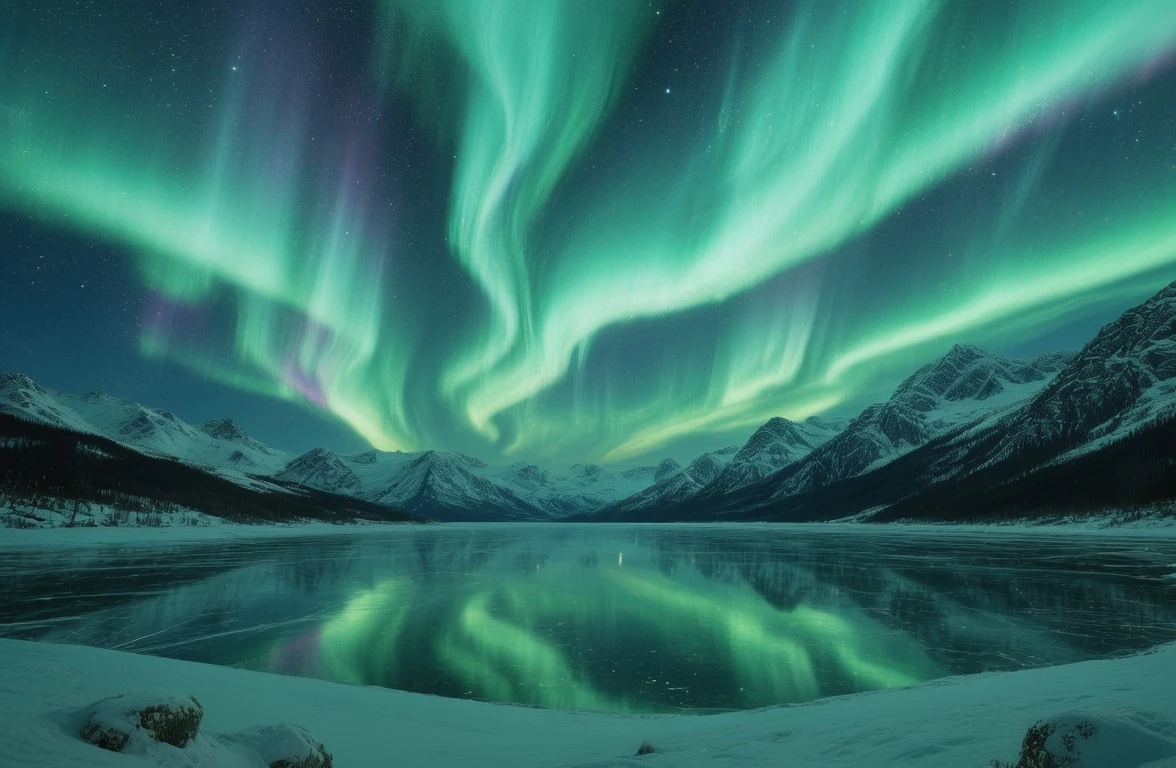
I stand on a snow-covered ridge at 10 p.m. in late February. The sky is deep black. A guide hands me hot berry drink. We wait in silence. No music plays. No phones glow. Forty minutes pass. A faint green arc appears low on the horizon. It spreads slowly, pulsing brighter then fading. I paid one thousand four hundred kroner for the evening. The guide says nothing is guaranteed. That is the honest truth. You watch and hope. If it appears, you do not need anyone to explain it.
Why Northern Lights Tours Matter
The aurora borealis has drawn people north for centuries. Indigenous communities wove it into stories and beliefs. Scientists now know it forms when charged particles from the sun collide with gases in Earth's upper atmosphere. Tours began operating in the 1990s and have grown into a major winter industry across northern Norway, Sweden, Finland, and Iceland. Demand outpaces supply from December through March. Prices rise accordingly. Some operators overpromise. They show photos taken during maximum solar activity and claim you will see similar displays every night. That is not real. The aurora follows an eleven-year cycle. Activity shifts. Clouds block the view entirely. Even on clear nights, nothing may appear. Reputable guides tell you this upfront. If an operator guarantees sightings, book elsewhere.
The Best Time to Experience Northern Lights Tours
Activity season runs roughly mid-September through late March. Solar maximum years bring stronger displays; minimum years show fainter, less frequent arcs. Late September and early October offer longer twilight hours, milder temperatures — 2°C–7°C (36°F–45°F) — and less crowded departures. November brings shorter days and higher chances of clouds. Temperatures drop to -2°C–-7°C (28°F–19°F). December through February offers the darkest skies and longest viewing windows. Temperatures vary widely — coastal areas like Tromsø sit at -3°C–-8°C (27°F–18°F); inland and alpine locations fall to -15°C–-25°C (5°F–-13°F) or lower. March brings returning daylight, stable snow cover, and generally clearer skies. Activity remains strong through month-end. Viewing happens only during darkness. Between late May and mid-August, the midnight sun makes the aurora invisible even when active.
Approximate Budget for a 7-Day Trip
All prices in Norwegian Kroner per person:
- Accommodation — Guesthouse or hostel: 2,500. Private cabin: 4,800. Mid-range hotel: 6,200.
- Food — Self-catered plus occasional meal out: 1,800. Mixed market and restaurant meals: 3,500. Eating out regularly: 5,400.
- Transport — Flights to northern gateway: 3,100–4,700 round trip. Local transport included in most tours. Rental car shared between two: 2,600 total.
- Activities — Standard evening tour: 1,400–1,800. Extended chase tour: 2,200–2,800. Small-group or photo-focused: 3,200–4,500. Extra activities: dog sledding, snowmobiling, ice fishing: 1,800–2,600 each.
- Miscellaneous — Thermal layer rental, boots, gloves, hat: 600–900. Travel insurance covering weather cancellations: 450.
Total on a modest budget with two standard tours: NOK 10,800. Total with premium tours and private cabin: NOK 17,500. "VIP guaranteed sighting" tours charging double standard rates are overpriced. No one controls the sky. Standard tours travel the same roads and use the same viewing spots. Book directly with local operators and save 25–35 percent.
Essential Northern Lights Tours Experiences
- Small-Group Chase Tour — Guide drives away from town lights, follows weather forecasts, and stops where skies are clearest. Flexible route. Skip if you dislike late nights or long drives in winter conditions.
- Fixed-Spot Campfire Evening — Stay at one quiet location with shelter, open fire, and hot drinks. Less driving, more relaxation. Best on clear forecast nights — you cannot move if clouds roll in.
- Photography-Focused Session — Guide teaches camera settings, tripod use, and composition. Tripod and warm clothing provided. Bring your own camera if you have one; rentals are often overpriced.
- Coastal Boat Aurora Viewing — Cruise away from shoreline light pollution. Calm water reflects displays. Skip if you get seasick — open sea conditions can be rough.
- Overnight Aurora Camp — Stay in a remote cabin or tent. Watch the sky throughout the night. Multiple chances to see activity. Basic facilities; bring warm sleeping bag.
- Combined Activity + Viewing — Dog sledding or snowmobiling followed by dinner and waiting for the sky. Good value. Activity time cuts into viewing hours.
Hidden Gems Most Travelers Miss
- Self-Guided Near Quiet Settlements — Drive away from main towns, find a dark pull-off, and wait. No guide fee. Check local light pollution maps beforehand. Dress warmer than you think necessary.
- Late February Morning Viewing — For a few weeks, skies are dark enough shortly before sunrise. Fewer people, crisp clear air. The display feels different in pre-dawn silence.
- New Moon Nights Away from Towns — When moon is thin or absent, fainter colours and lower arcs become visible. The popular viewpoint near town centre has grown crowded and bright. It feels overrated — drive thirty minutes further out for real darkness.
- March Evening with Returning Twilight — Deep blue sky plus aurora plus snowy landscape. Photographs look softer and more balanced. Stay past 10 p.m. for full darkness.
Cultural & Practical Tips
- Manage expectations. You may see nothing. You may see faint green only. That is not failure. It is nature. Book multiple tours over several nights to improve your odds.
- Dress in three layers. Base layer, insulating mid-layer, windproof outer shell. Exposed skin loses heat fast. Most operators lend outerwear — request boots and gloves ahead.
- Keep camera batteries warm. Cold drains power in minutes. Carry spares inside an inner pocket where body heat reaches them.
- Do not use bright white light when waiting. It spoils everyone's night vision. Use dim red light only. Put phones away — the display destroys your eyes' adjustment to darkness.
- Check cancellation policy. Reputable operators offer rebooking if cloud cover prevents viewing. Avoid those with no flexibility.
- Stay hydrated but avoid excessive caffeine. Waiting hours in cold air dehydrates you. Alcohol makes you feel warmer than you are — it also accelerates heat loss. Drink responsibly or skip it entirely.
- Respect private land. Most viewing spots are public, but access roads cross farms and reindeer grazing areas. Park only in designated spaces.
Essential Visitor Information
Location & Access: Prime aurora zone sits between 66°N and 72°N. Top gateways: Tromsø (Norway), Alta, Bodø, Kirkenes; Rovaniemi and Ivalo (Finland); Kiruna and Abisko (Sweden); Reykjavik (Iceland). By air: direct flights from major European hubs November–March. By train: overnight service to northern Sweden and Finland. By road: winter tyres required October–April.
Tickets & Booking: Standard evening tour: NOK 1,300–1,900. Small-group/photo: NOK 2,800–4,500. Boat: NOK 1,900–2,500. Combined activity: NOK 2,000–3,000. Booking essential — reserve 3–5 months ahead for December–February. Reputable operators offer rebooking on clouded-out nights.
Operating Hours: Tours depart 18:00–21:00, return 23:00–01:00. Some extend until 02:00. Season: roughly Sept 15–Mar 31. No tours during midnight sun May–mid-August.
Visit Duration: Minimum 3–4 nights. Recommended 5–7 nights. Cloud cover and low activity happen in streaks. Multiple chances give best odds.
Family Suitability: Limited. Most tours set minimum age 8–12. Waiting hours in cold dark is hard on young children. Some operators offer heated shelters — confirm ahead.
Timing: Best season: late January through March — darkest skies, stable weather, high activity. Best time of night: 22:00–01:00 — peak geomagnetic activity window.
Highlights: Small-group chase tour, campfire quiet viewing, photography session, coastal boat cruise, overnight remote camp.
Nearby & Day Trip: Dog sledding — same region, great daytime complement. Snowmobiling — open terrain tours. Ice fishing — frozen lake excursions. Northern Lights centres — Tromsø, Alta, Abisko — indoor exhibits and evening forecasts.
Conclusion: Travel with Patience, Not Just Expectation
Northern Lights tours sell a promise of magic. Reality is different — cold, dark, long waits, and sometimes nothing at all. When the sky does light up, it rewards every hour of waiting. You cannot force it. You cannot pay extra to make it appear. Come prepared. Come multiple nights. Come with patience. What matters most to you here — seeing a spectacular display, sharing the wait in silence, or simply standing under the darkest sky you have ever known?
Comments
Post a Comment