
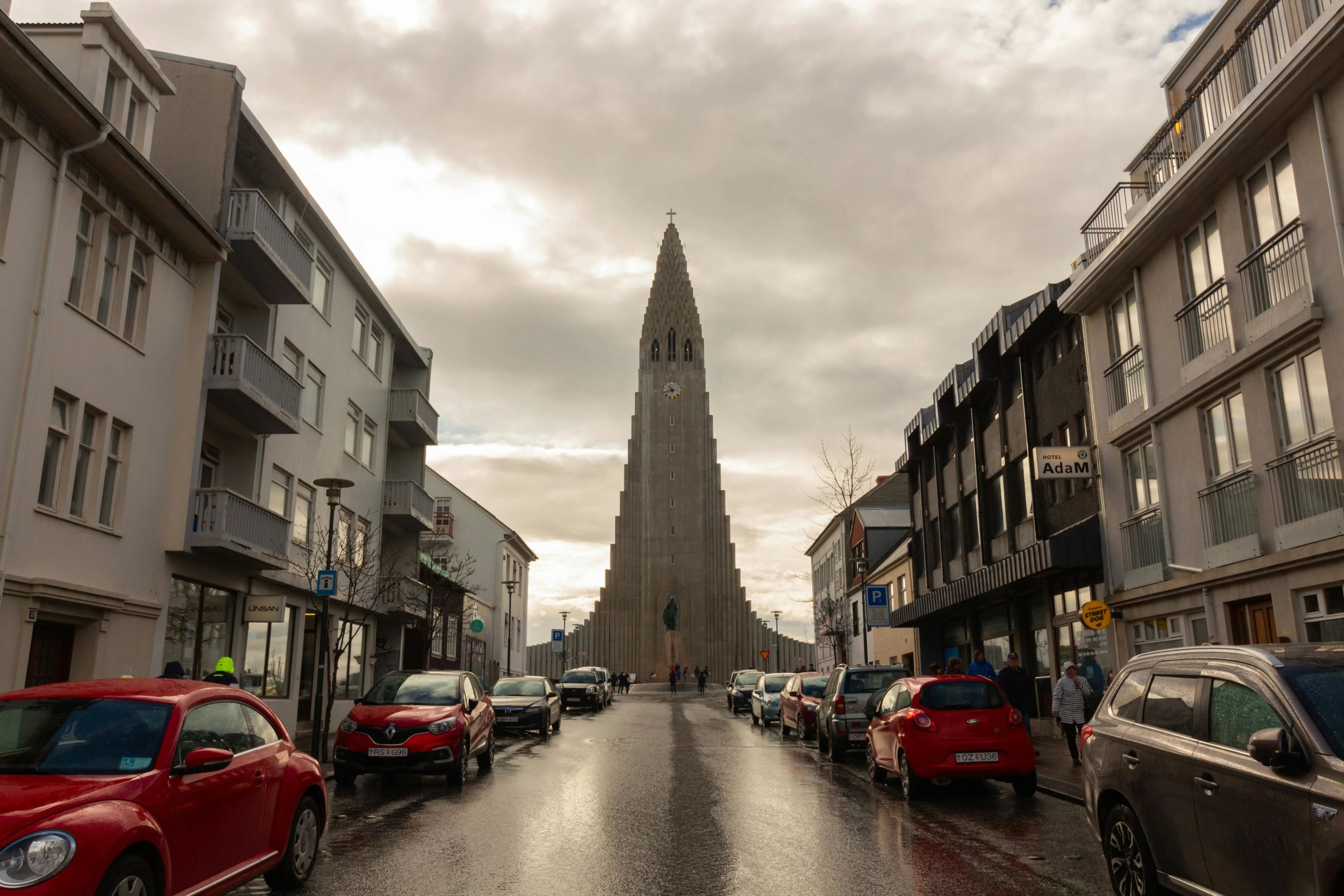
Reykjavík Hallgrímskirkja Basalt Columns Meet Lutheran Faith
The bell tolls—a deep, resonant boom that vibrates through the concrete façade and settles over the city like a blanket. You stand at the base of the tower, looking up at the stepped gables that mimic the hexagonal columns of Svartifoss waterfall, rising 74.5 meters (244 feet) into the crisp North Atlantic air. Wind whips around the corners of the structure, carrying the scent of salt and volcanic dust; seagulls cry overhead, circling the cross that crowns the spire. Inside, the silence is profound, broken only by the whisper of visitors and the distant hum of Reykjavík traffic below. This isn't just a church; it's a monument to national identity, designed by Guðjón Samúelsson in 1937 and consecrated in 1986 after 41 years of construction. The organ pipes—5,275 in total—stand like silver sentinels behind the altar, waiting to fill the nave with sound. In 2026, as modernity accelerates and traditions fade, Reykjavík Hallgrímskirkja matters now more than ever—a steadfast beacon of community and culture anchoring a capital city rapidly transforming under the lights of tourism and innovation.
Why Reykjavík Hallgrímskirkja Embodies Icelandic Architecture
The Reykjavík Hallgrímskirkja represents far more than a place of worship—it is the physical manifestation of Iceland's geological soul translated into spiritual architecture. Guðjón Samúelsson, the state architect, drew direct inspiration from the basalt column formations found across the island, particularly the lava flows of Svartifoss and Reynisfjara. The design, selected in 1937, solved a cultural need: creating a national church that felt inherently Icelandic rather than importing European Gothic or Romanesque styles. Construction began in 1945, paused during economic shifts, and resumed until the tower was completed in 1974; the nave was consecrated in 1986. The structure uses reinforced concrete, a material chosen for durability against harsh coastal weather, yet shaped to resemble natural volcanic forms.
Technical specifications highlight the engineering prowess required to build on Reykjavík's uneven terrain. The tower weighs approximately 3,000 tons, anchored into bedrock to withstand winds exceeding 100 km/h (62 mph). The interior nave spans 2,000 square meters, accommodating 1,200 seated worshippers. The mechanical organ, built by Johannes Klais Orgelbau of Bonn, Germany, stands 15 meters (49 feet) tall and weighs 25 tons. Its pipes are arranged to mirror the church's exterior columns, creating visual harmony between sound and structure. This integration of form and function fulfills a human need for beauty rooted in place. Today, the church serves 10,000+ weekly visitors, functioning as both a spiritual center for the Evangelical Lutheran Church of Iceland and a cultural hub for concerts and events. The Reykjavík Hallgrímskirkja proves that modern materials can honor ancient landscapes, creating a legacy that outlasts generations.
The Best Time to Experience Reykjavík Hallgrímskirkja
Timing your visit to Reykjavík Hallgrímskirkja requires balancing light conditions, crowd density, and cultural events. For optimal photography and comfortable tower access, target June 10–July 5 or September 15–October 10. During these windows, temperatures range from 8–14°C (46–57°F), and daylight stretches 18–21 hours in June, allowing evening visits when the sun casts golden light on the white concrete façade. The tower opens at 9:00 AM daily, with last entry at 8:45 PM in summer. Crowds are 30% lower than peak July, giving you space to appreciate the panoramic views without shoulder-to-shoulder congestion.
For cultural enthusiasts, visit during December 1–23 to experience the Christmas candlelight services. Temperatures drop to -2–4°C (28–39°F), but the interior glows with thousands of candles during evening concerts. Plan your visit between 5:00–7:00 PM when the church is illuminated against the dark winter sky. However, avoid December 24–26 unless attending specific services, as the church closes for private family celebrations. Also skip July 15–August 10 if you dislike queues; this peak window brings 2,000–3,000 daily visitors, creating wait times of 45–60 minutes for the elevator.
For real-time opening hours and concert schedules, verify at www.hallgrimskirkja.is. The tower elevator operates continuously during open hours, but maintenance closures occur occasionally in late October. Check the website for alerts before traveling.
Approximate Budget for a 7-Day Trip (2026)
Exploring Reykjavík Hallgrímskirkja anchors a week-long Icelandic capital adventure. This budget assumes a 7-day trip based in Reykjavík with day trips to nearby sites. Prices reflect 2026 rates, accounting for Iceland's average 3.8% annual inflation from 2024–2026 (source: Statistics Iceland). All amounts shown in euros; multiply by 1.08 for USD equivalents. Note that Iceland uses ISK, but € is provided for international comparison.
Accommodation: €160–€340 per night
• Budget guesthouse in Reykjavík (101 district): €160–€210
• Mid-range hotel (Hlíðar area): €230–€290
• Luxury (Hotel Borg or Tower Suites): €400–€550
• Camping (seasonal): €30 per person
Food: €60–€100 per day
• Breakfast: €15–€20 (hotel buffet or bakery pastry + coffee)
• Lunch: €20–€30 (lobster soup, fish of the day, or hot dog)
• Dinner: €30–€50 (pan-fried Arctic char or traditional lamb)
• Groceries (self-catering): €40/day
Transportation:
• Keflavík Airport to Reykjavík Flybus: €35 round-trip
• City bus (Strætó): €3.50 per ride
• Rental car (compact, 7 days): €400 + €150 fuel
• Taxi (airport to center): €120 (not recommended)
Attractions:
• Hallgrímskirkja Tower Entry: €12
• National Museum of Iceland: €22
• Perlan Museum: €32
• Sun Voyager Sculpture: Free
• Harpa Concert Hall Tour: €15
• Blue Lagoon day trip: €110
Miscellaneous:
• Icelandic wool sweater (lopapeysa): €120–€190
• Thermal base layers: €90
• Travel insurance: €60
• Souvenirs (lava rock, handicrafts): €45
• Tips (not expected but appreciated): €30
Total for 7 days (mid-range): €2,350–€2,700 per person
Total (budget-conscious): €1,550–€1,800 per person
6 Essential Reykjavík Hallgrímskirkja Experiences
1. Ascend the Tower for Panoramic Views: Purchase your ticket at the base and take the glass elevator to the observation deck. The ascent takes 45 seconds, rising 74.5 meters (244 feet). Step out onto the enclosed viewing platform to see Reykjavík's colorful corrugated iron rooftops, the distant Snæfellsjökull glacier, and Mount Esja across the bay. Visit at 6:00–8:00 PM in summer for midnight sun lighting. The windows are clean, but bring a lens cloth for fingerprints. Allow 30 minutes to photograph all 360 degrees.
2. Attend an Organ Concert: The Johannes Klais organ hosts regular concerts, typically Tuesdays and Thursdays at 12:00 PM and Sundays at 3:00 PM. The acoustics are extraordinary; the sound fills the nave without amplification. Arrive 15 minutes early to secure a seat in the middle rows for balanced audio. Concerts last 45 minutes. Check the schedule at the visitor desk upon arrival. This is the best way to experience the instrument's 5,275 pipes in action.
3. Explore the Nave and Altar: Enter the main worship space through the bronze doors designed by artist Þorvaldur Skúlason. The interior is stark and luminous, with white walls and minimal ornamentation. The altar features a stained-glass window by Jóhann S. Kjarval, depicting Christ in vibrant colors that change with the daylight. Stand quietly at the back to appreciate the scale. Photography is permitted without flash. Respect worshippers if a service is in progress.
4. Photograph the Leif Erikson Statue: Located directly in front of the church, this bronze statue was a gift from the United States in 1932. It commemorates the 1,000th anniversary of Iceland's parliament. The best angle is from the bottom of the steps looking up, with the church tower framing the explorer. Visit at 10:00–11:00 AM when the sun illuminates the statue's face. The square is often busy, so patience is required for a clear shot.
5. Visit the Crypt and Gift Shop: Below the nave lies the crypt, used for smaller services and exhibitions. Access is via the side entrance. The gift shop offers high-quality religious artifacts, books on Icelandic architecture, and locally made crafts. Open 9:00 AM–5:00 PM daily. Purchase a postcard or print to support the church's maintenance fund. The crypt's low ceilings contrast with the tower's height, offering architectural variety.
6. Experience Night Illumination: After sunset, the church is floodlit, glowing white against the dark sky. Walk to Skólavörðuholt street for the best exterior view. The lighting changes color during special events (e.g., pink for breast cancer awareness). Visit at 9:00–10:00 PM in winter when the streets are quiet. The contrast between the illuminated tower and the surrounding dark buildings creates dramatic photography opportunities unique to nighttime.
3 Hidden Gems Most Travelers Miss
• Þingholt Studios: Located 400 meters west of the church on Þingholt street, this cultural center houses artist studios and a small gallery. Open Wednesday–Saturday, 1:00–5:00 PM. Entry: Free. The building itself is a restored 19th-century warehouse. Why overlooked: No signage from the main road; requires walking down a narrow alley. Contact: +354 551 0050. Insider tip: Visit during the first Friday of the month for open studio events.
• Reykjavík Art Museum (Kjarvalsstaðir): Situated 1.5 km east in Klambratún park, this museum houses works by Jóhann S. Kjarval, who designed the church's altar window. Open 10:00 AM–5:00 PM daily. Entry: €18. The building is a functionalist masterpiece from 1973. Why overlooked: Tour buses prioritize the city center; this requires a 20-minute walk or bus ride. Insider tip: Combine with a walk through Klambratún park for picnic spots.
• Kaffi Vínyl: Located 600 meters south on Skólavörðustígur, this café combines coffee with vinyl record listening. Open 11:00 AM–11:00 PM daily. Order the cardamom bun and browse the record collection. Why overlooked: Hidden behind a nondescript door; no exterior seating to draw attention. Contact: +354 552 3330. Insider tip: Ask the staff to play specific Icelandic indie albums while you relax.
Cultural & Practical Tips
• Respect the sacred space: Hallgrímskirkja is an active church, not just a tourist site. Speak quietly, remove hats, and avoid walking in front of the altar during prayers. Services occur Sundays at 11:00 AM; tourism pauses during these times. Dress modestly; shorts and sleeveless tops are discouraged inside the nave.
• Elevator vs. Stairs: The tower is accessible only by elevator; there are no public stairs for safety reasons. Wait times can exceed 30 minutes in peak season. Purchase tickets online in advance to skip the queue. The elevator holds 10 people; large backpacks must be stored in lockers at the base.
• Learn these Icelandic phrases:
— Takk (tahk): Thank you
— Góðan daginn (go-than dy-in): Good day
— Hallgrímskirkja (hatl-grims-kirk-ya): The church's name
— Fallegt (fah-lekt): Beautiful
Icelanders appreciate effort; pronunciation matters less than attempting the language.
• Photography guidelines: Tripods are permitted in the tower but not in the nave during services. Flash photography is prohibited inside to protect the stained glass. Drone use is strictly prohibited within 2 kilometers of the church without special permit from the Icelandic Transport Authority. Best light: Early morning (8:00–10:00 AM) or evening (7:00–9:00 PM) in summer.
• Weather considerations: Reykjavík weather changes every 15 minutes. Even in July, bring a waterproof jacket and windproof layers. The tower viewing deck is enclosed but can be chilly due to glass conductivity. Temperatures at the top average 2–3°C cooler than street level. Check www.vedur.is before ascending.
• Accessibility: The church entrance is wheelchair-accessible via ramps on the south side. The tower elevator accommodates wheelchairs. Restrooms are located at the base and are fully accessible. Service animals are permitted. Electric wheelchairs available free at visitor center (reserve 48 hours ahead: info@hallgrimskirkja.is).
Conclusion: Travel with Reverence, Not Just Sightseeing
The Reykjavík Hallgrímskirkja demands more than a quick photo stop—it asks for reverence. As you stand beneath the concrete columns that mimic ancient lava flows, recognize that you're not just visiting a landmark; you're entering a space where geology and faith converge. In 2026, as cities grow denser and spirituality becomes increasingly privatized, Hallgrímskirkja offers both sanctuary and statement: that community spaces matter, that architecture can honor nature, and that silence is a rarity worth protecting. Slow down. Listen to the organ pipes resonate through the nave. Feel the cool concrete beneath your hand. Understand that this structure took 41 years to build because some things cannot be rushed. When you visit Reykjavík Hallgrímskirkja in 2026, don't just capture the tower for Instagram—contemplate the hands that shaped it. Don't just check a box—honor the community that worships here. Iceland preserves this site not as a museum, but as a living heart. Learn. Reflect. Carry this reverence home. The world needs more pilgrims to beauty, not just tourists seeking views.