
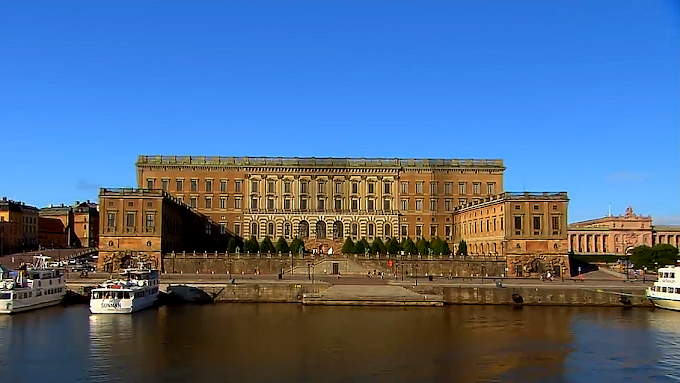
Royal Palace Stockholm Baroque Grandeur Meets Swedish Royal Tradition
The sound arrives before the sight—the rhythmic crunch of gravel under polished black boots, echoing across the outer courtyard. It's 11:45 AM on a crisp May morning, and the air smells of cold stone, salty harbor breeze, and the faint waxiness of old wood polish. You stand before the Royal Palace Stockholm, a sprawling Baroque masterpiece occupying 49,000 square meters on Stadsholmen island. Completed in 1754 after a fire destroyed the previous Tre Kronor castle in 1697, this structure houses 608 rooms, though only a fraction open to the public. The sun glints off the gold-leaf details on the roofline, while the Royal Guard stands motionless beside the cannon-lined ramparts. In 2026, as monarchies worldwide modernize or fade, this palace remains a functioning seat of ceremony rather than a sterile museum. This is why you come now: to witness living history where the King still works, to touch stone laid by 18th-century masons, and to understand that tradition is an active performance against the erosion of time.
Why Royal Palace Stockholm Embodies Swedish Heritage
The Royal Palace Stockholm isn't merely a residence—it's a architectural manifesto of Swedish power following the Great Northern War. Designed by Nicodemus Tessin the Younger and completed by Carl Hårleman, the palace solves a critical symbolic problem: how to project stability after the devastating fire of 1697 that consumed the medieval Tre Kronor castle. The resulting Baroque structure, finished in 1754, utilizes sandstone from Gotland and limestone modules engineered to withstand harsh Nordic winters. The façade stretches 210 meters along the waterfront, featuring 242 windows that reflect the shifting Baltic light. Today, the Office of the Governor of the Royal Palace manages the site, balancing public access with the King's official duties.
Technically, the building is a marvel of 18th-century engineering. The foundation rests on wooden piles driven into the clay bedrock, a method common in Stockholm but requiring constant moisture monitoring to prevent rot. The Royal Armory (Livrustkammaren), located beneath the palace, preserves artifacts from the 1500s using climate-controlled cases maintaining 50% relative humidity. Over 800,000 visitors walk these halls annually, making it one of Europe's most visited royal residences. In 2026, the Royal Palace Stockholm fulfills a profound human need for continuity; in an era of digital ephemera, these stone walls offer tangible permanence. The palace stands as a testament to resilience, surviving wars, political shifts, and modernization to remain the spiritual center of the Swedish nation.
The Best Time to Experience Royal Palace Stockholm
Timing your visit to the Royal Palace Stockholm requires balancing Stockholm's dramatic seasonal light shifts with tourist density. The optimal window runs from May 15 to June 12 and August 20 to September 15, when daylight extends to 18 hours and temperatures average 15–22°C (59–72°F). For the quietest experience with optimal photography light, target June 1–10, arriving at the outer courtyard between 9:00–10:00 AM. Morning visits allow you to capture the façade before cruise ship passengers disembark at the nearby Stadsgården terminal. The soft northern light enhances the sandstone textures without creating harsh shadows.
Avoid the period from July 1 to July 20, when European school holidays create peak congestion; wait times for the Royal Apartments can exceed 60 minutes, and viewing platforms become bottlenecked. Winter visits (December–February) offer magical Christmas decorations but limited daylight (6 hours) and colder temperatures averaging -3–2°C (27–36°F), making extended outdoor waiting uncomfortable. For real-time opening hours and closure notices due to state visits, check the official website at kungligaslottet.se. The Palace updates visitor information via their info line at +46 8 402 61 30 before traveling. Verify specific museum hours via their individual websites, as holiday schedules vary.
Weather in Stockholm can shift rapidly due to harbor exposure. If visiting in late autumn, dress in layers; the wind channeling across the courtyard can drop perceived temperatures by 5°C. Late August offers the added bonus of the Stockholm Culture Festival, where stages set up nearby host free performances, enhancing the atmosphere without increasing entry costs. Plan your visit around the Changing of the Guard (12:15 PM weekdays) to maximize the ceremonial experience.
Approximate Budget for a 7-Day Trip (2026)
Visiting Stockholm requires budgeting for Northern European price levels, which have risen approximately 4.5% annually due to inflation (Statistics Sweden, 2025). The following estimates reflect 2026 pricing for a moderate travel style: comfortable mid-range accommodation, mix of casual dining and self-catering, and efficient public transport use. These costs assume a base in or near the Royal Palace Stockholm with the Old Town as a primary focal point.
- Accommodation: €200–€380 per night. Hotels in Gamla Stan or Norrmalm average €300/night for a double room. Budget hostels near Central Station: €110/night for dorm beds. Airbnb apartments on Södermalm: €240–€380/night. Book 4–6 months ahead for summer dates.
- Food: €75–€110 per day. Breakfast: €18–€25 (coffee €6, smörgås open sandwich €10, fruit €5). Lunch: €25–€35 (husmannskost traditional plate €22, coffee €6). Dinner: €40–€60 (grilled salmon €38, local beer €11, dessert €12). Grocery shopping at ICA or Coop reduces daily food costs to €45–€60.
- Transportation: SL 72-hour Travelcard: €50 (covers buses, trams, metro). Airport Arlanda Express train: €35 round-trip. Djurgården Ferry from Slussen: €14 round-trip (included in some SL cards). Taxi from airport: €75–€95 (avoid unless necessary).
- Attractions: Royal Palace entry: €20 per adult (free for under 18). Nobel Museum: €16. Medieval Museum: €14. Stockholm Pass (3-day): €155 (includes Royal Palace). Guided walking tour: €45/person.
- Miscellaneous: Waterproof jacket rental: €30/week. Souvenirs: Dala horse (wood) €40, Swedish wool blanket €130, museum guidebook €28. Travel insurance: €55–€95 for 7 days. Coffee filter for room brewing: €18.
Total estimated cost for 7 days: €2,900–€4,200 per person (based on double occupancy; solo travel increases costs by 40%)
7 Essential Royal Palace Stockholm Experiences
- Watch the Changing of the Guard: This ceremony takes place at the Outer Courtyard at 12:15 PM on weekdays (1:15 PM weekends). Arrive by 11:45 AM to secure a spot near the front railing. The marching band plays traditional military music while soldiers in blue uniforms swap positions. The event lasts 45 minutes and is free to watch. It offers a living connection to the monarchy's history dating back to the 16th century. Bring a zoom lens; crowds make close photography difficult.
- Tour the Royal Apartments: Enter through the main gate to access the State Rooms. You walk through the Hall of State, where the Silver Throne stands on a raised dais. The ceilings feature frescoes by Carl Hårleman depicting Swedish victories. Audio guides are included in the €20 entry fee. Spend 60 minutes here to absorb the details. The lighting is dim to protect textiles; let your eyes adjust. Photography without flash is permitted in most rooms.
- Explore the Royal Armory: Located beneath the palace, this museum houses royal costumes and armor from the 1500s. Look for King Gustav II Adolf's bloodied shirt from the Battle of Lützen (1632). The climate-controlled cases preserve textiles that would otherwise disintegrate. Allow 45 minutes for a thorough viewing. Audio guides are available in 10 languages. This collection provides context for the military power the palace was built to project.
- Visit the Treasury (Skattkammaren): Adjacent to the Armory, this vault displays the Crown Jewels and regalia. The Orb, Scepter, and Sword of State glitter under focused lights. The Crown of Queen Lovisa Ulrika features over 1,000 diamonds. Security is tight; bags are searched upon entry. Spend 30 minutes here. The sheer value of the objects is staggering. It reminds you that monarchy relies on visible wealth as much as lineage.
- Walk the Courtyard Ramparts: Exit the main museum area and walk along the cannon-lined outer walls. The view over Strömmen water toward the National Museum is exceptional. Visit at sunset (9:30 PM in June) when buildings illuminate. Benches along the path offer spots to rest. The breeze off the water connects the indoor exhibits to the maritime reality. This perspective helps you visualize the palace's defensive origins.
- See Gustav III's Museum of Antiquities: Located in the palace basement, this is Sweden's oldest museum (opened 1794). It houses statues collected by King Gustav III during his Italian travels. The lighting is atmospheric, highlighting marble textures. Entry is included with the Palace ticket. Allow 30 minutes. It offers a quiet contrast to the opulent State Rooms above. The collection reflects the 18th-century Grand Tour tradition.
- Attend a Concert in the Chapel: The Palace Chapel (Slottskyrkan) hosts occasional organ concerts. Check the schedule at kungligaslottet.se. Tickets range €25–€40. The acoustics are exceptional due to the high vaulted ceiling. Sit in the center pews for optimal sound. This experience connects you to the spiritual function of the palace. It is less crowded than the main museums.
3 Hidden Gems Most Travelers Miss
- The Palace Tower View: Most visitors stay on the ground floor, but the tower offers a panoramic view of Gamla Stan. Access is via a separate guided tour (book in advance +46 8 402 61 30). Cost €15 extra. You climb 258 steps to the viewing platform. Why it's overlooked: It requires physical exertion and separate booking. Insider tip: Visit on clear days only; fog obscures the view. You see the city's grid layout from above.
- The Lion Statues at the Gate: Located at the Lejonbacken ramp leading to the palace. These bronze lions were cast in the 1700s. Touch the paw for good luck (a local tradition). Access is free and open 24 hours. Why it's overlooked: Tourists rush past them to the main entrance. Insider tip: Photograph them at dawn when the light hits the bronze patina. They symbolize strength and guardianship.
- Historic Restaurant Pelikan: Located just across the bridge on Södermalm, but historically tied to Palace merchants. Opened in 1790. Order the köttbullar (meatballs) with lingonberry jam. Open daily 11:00 AM–10:00 PM. Why it's overlooked: Tourists eat in Gamla Stan proper where quality is lower. Insider tip: Sit in the back room where original wood paneling remains untouched. The beer list features local microbreweries not found in tourist traps. Reservations recommended for dinner via their website.
Cultural & Practical Tips
- Respect the fika culture: Swedes value coffee breaks as social rituals. Don't rush your café visit; lingering is expected. Order a kanelbulle (cinnamon bun) with your coffee. Pronunciation: FEH-kah. This pause reflects the Swedish value of lagom (balance/moderation). Rushing through meals is considered impolite in shared spaces.
- Photography guidelines: Flash photography is strictly prohibited inside the Royal Palace Stockholm to protect artifacts from light damage. Tripods are not permitted on busy days. Selfie sticks are banned entirely. Commercial photography requires written permission from the communications department. Respect other visitors; do not block viewing platforms for extended shots.
- Queue etiquette: Swedes value orderly lines. Do not cut queues, even if they seem unstructured. Wait for your turn at ticket kiosks. If unsure, ask: "Var är kön?" (Var air kern?) = Where is the line? Pushing or crowding is frowned upon. Patience is viewed as a virtue in Scandinavian culture. Let people exit trains before you board.
- Weather preparedness: Stockholm weather is unpredictable. Pack: waterproof jacket, layers (temperatures vary 10°C daily), comfortable walking shoes (cobblestones are slippery when wet). Check smhi.se for marine forecasts. Even in summer, harbor winds can drop temperatures to 12°C (54°F). Carry a compact umbrella. Rain can start suddenly without warning.
- Language basics: While 90% of Swedes speak English, learning basics shows respect. "Tack" (Tahck) = Thank you; "Hej" (Hay) = Hello; "Ursäkta" (Ur-shock-tah) = Excuse me. Pronunciation is soft; avoid harsh consonants. Staff appreciate efforts to speak Swedish even if imperfect. It bridges the gap between tourist and guest.
- Accessibility information: The Palace has elevator access to most levels but some historic areas are stairs only. Wheelchairs are available for loan at the information desk (free, first-come-first-served). Service dogs are permitted throughout. Restrooms include accessible stalls. Verify specific needs via email: info@kungligaslottet.se before arrival. Some cobblestone areas are difficult for mobility devices.
- Payment systems: Sweden is nearly cashless. The Palace accepts cards only; cash is not accepted at ticket kiosks. Ensure your credit card has a PIN code. Contactless payment (Apple/Google Pay) works everywhere. Inform your bank of travel to avoid blocks. Small purchases (€5) can be made by card. Carry minimal cash for emergencies only.
Conclusion: Travel with Reverence, Not Just Reservations
The Royal Palace Stockholm doesn't need your selfie—it survived fires, wars, and modernization without social media validation. What it asks, what this Baroque giant demands, is something rarer than a tagged photo: your patience, your curiosity, your willingness to stand quietly before a testament to human hubris and resilience. In 2026, as museums compete with virtual reality and digital distractions, the Palace remains anchored in physical reality. This is the paradox of preservation: the more we touch, the more we risk; the more we observe, the more we understand. Come to Stockholm not just to check a box, but to witness the delicate balance between monarchy and democracy. The stone walls will remain long after your film rolls are developed. But you—standing here, breathing the same air that surrounds these 18th-century halls—will carry a reminder that history is not dead, it is inhabited. That is the true currency of travel: not the places you've seen, but the history you've honored. Come to the Palace. But come slowly, come quietly, come ready to listen to the stone.