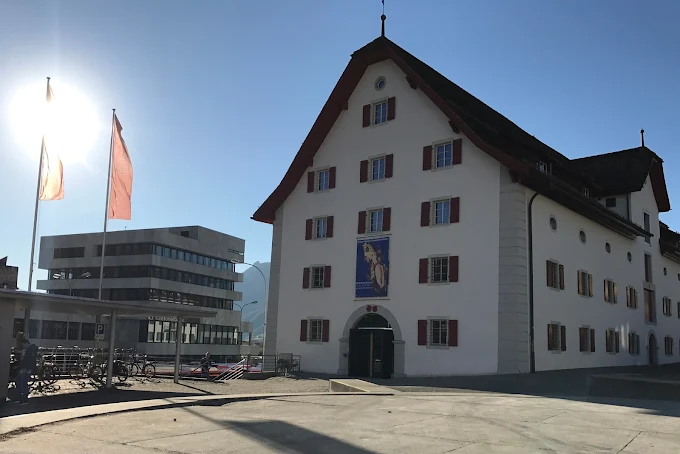
Schwyz: Where Alpine Roots Meet Founding History
I step out of the train station at 10:15 on a crisp September morning. The air feels thin and sharp. I pay four francs for a warm apple pastry at the counter just inside the doors. Butter and cinnamon fill the space. Beyond the glass, slopes rise steeply behind red-roofed houses. Most visitors pass through on their way to better-known spots. They miss how this quiet town holds the very foundation of the country. Schwyz is not a stopover. It is the heart from which everything else grew.
Why Schwyz Matters
This region gave Switzerland its name. In 1291, the first alliance formed here to defend local rights against outside rule. The original charter still sits in the town’s main archive. People here speak with quiet pride but rarely boast. That same reserved nature can feel distant to first-time visitors. Service moves slowly. Smiles come less easily than in resort towns. The historic core escaped heavy bombing and mass redevelopment. Many buildings stand exactly as they did two centuries ago. Modern chains have not taken over the main street. You will not find rows of branded souvenir shops selling identical trinkets. What you do find carries real connection to the land and its people.
The Best Time to Experience Schwyz
Mid-May through late September brings the mildest conditions. Daytime temperatures sit between 18°C and 24°C, or 64°F and 75°F. Nights drop to 10°C to 13°C, or 50°F to 55°F. June sees the most rain. Short heavy showers can start without warning. July and August stay drier but draw larger crowds. October brings golden light and empty trails. Temperatures hover around 12°C to 16°C, or 54°F to 61°F. Many small cafés close for short breaks then. December through March turns the focus to nearby ski areas. Daytime readings range from -2°C to 5°C, or 28°F to 41°F. Roads stay clear but higher passes close suddenly. Spring arrives late here. Green hills do not fully show until mid-May.
Approximate Budget for a 7-Day Trip
Prices are per person and given in Swiss francs. Convert to your currency as rates shift often.
- Accommodation: 140–190 francs per night. Expect clean rooms with private bath and breakfast included. Some places charge extra for Wi-Fi above basic speed.
- Food: 65–90 francs daily. A simple lunch runs 18–28 francs. Dinner at a local restaurant costs 35–55 francs. Coffee averages 4.50 francs. Buy groceries at the town’s main market hall to cut costs.
- Transport: 25–40 francs daily. Local buses cover most routes. A regional day pass works out cheaper than single tickets if you travel more than twice.
- Attractions: 40–70 francs total for the week. Most historic sites cost under 12 francs. Mountain railways run higher.
- Miscellaneous: 30–50 francs daily. This covers water, snacks, small purchases, and unexpected needs.
Total estimated 7-day cost: 2,100–2,870 francs per person.
The mountain viewpoint at one popular overlook charges 32 francs just for the shuttle ride. Walk the lower trail instead. It takes 45 minutes longer and offers nearly the same view for no charge. Many packaged tours mark up prices by nearly double what you would pay booking directly.
Essential Schwyz Experiences
- See the original founding document — The 1291 charter rests in a purpose-built vault. Exhibits explain how the alliance worked without heavy-handed storytelling. Allow 45 minutes. Skip if you have no interest in medieval history.
- Walk the historic town centre — Cobblestone lanes connect squares unchanged for generations. Note the carved wooden signs above doorways. They tell who lived there long before street numbering existed.
- Hike to the Rigi foothills — Trails start right from the edge of town. You pass farms that have belonged to the same families for six or more generations. Cows graze close to the path. Keep your distance.
- Visit the local cheese dairy — Watch production from the viewing platform. Samples come with honest talk about what makes each batch different. Buy directly here for fair prices.
- Stand at the site of the first assembly — An open meadow above the valley marks where representatives once met. No grand monument blocks the view. Wind moves through the grass. It feels like a place of people, not rulers.
- Tour the regional museum — Displays cover daily life rather than battles. You see farming tools, household goods, and clothing that show how people lived through changing centuries. The building itself adds to the experience.
Hidden Gems Most Travelers Miss
- The small chapel at the western edge of town sits beside a stream. It has no entry fee and no gift shop. Wood inside shows the marks of hands that built it in 1682. Sit quietly for a few minutes. The sound of running water stays with you.
- Upper valley farms operate simple stalls on certain days. Home-baked bread, honey, and jams appear on wooden tables. Leave payment in the box provided. Trust forms part of how things work here.
- The lakeside path toward Arth offers steady gentle walking. You see reflections of peaks in calm water and few other visitors. It stretches roughly seven kilometres one way. Catch the train back when you tire.
- One famous viewpoint draws large groups and high prices. The crowds and commercial feel do not match the quiet spirit of the area. Several nearby spots give equally strong views with far less noise and expense.
Cultural & Practical Tips
- Carry small change. Many smaller shops and cafés do not take cards. Even places that do often require minimum spends.
- Do not expect late-night dining. Most kitchens close by 9 PM. Some close entirely on Mondays and Tuesdays. Plan accordingly.
- Stay on marked paths when walking. Straying onto private fields or farmland causes real offence. People rely on this land for their livelihood.
- Greet before you ask. A simple good morning or good afternoon comes first. Skipping this step makes you seem rude regardless of how polite you try to be later.
- Watch your volume in public spaces. Loud conversation on trains or in cafés draws disapproving looks. People here value quiet.
- Check opening times online the evening before. Hours shift seasonally. Many attractions close one midweek day. Arriving on the wrong day wastes your time.
Essential Visitor Information
Location & Access: Central Switzerland. Schwyz sits roughly 42 kilometres or 26 miles southeast of Lucerne. By car, take the A4 motorway and follow signs toward Brunnen. Drive time runs about 35 minutes. Regular direct trains leave Lucerne hourly. Local buses connect to surrounding villages. Taxis from the station to the town centre cost about 12 francs for the short ride.
Tickets & Booking: Most sites accept walk-ins. Special guided tours and some mountain transport do fill up in summer. Book those ahead if you can. Prices stay fixed and transparent. No hidden fees appear at checkout.
Operating Hours: Town shops open 9 AM to 6 PM on weekdays. They close earlier on Saturdays and stay closed all day Sunday. Museums generally run 10 AM to 5 PM with one midweek closing day. Hours shorten between November and April.
Visit Duration: Plan for at least two full days. Three days lets you explore more trails without rushing. Half a day suffices if you only see the main historic centre.
Family Suitability: Children receive warm welcome everywhere. Strollers work well on main streets but struggle on older cobblestone lanes and mountain paths. Public restrooms sit near the main square and train station.
Timing: Late spring and early autumn give the best balance of weather and crowds. Arrive before 10 AM to have key sites mostly to yourself. Weekends bring more day trippers from nearby cities.
Highlights: The 1291 charter archive, the carved main square, the cheese dairy, the assembly meadow, and the lower lake trail.
Nearby & Day Trip: Lake Lucerne shore at Brunnen lies 12 minutes by train. Rigi massif offers accessible mountain views. The town of Küssnacht connects by bus in under 20 minutes. Lucerne makes a feasible day trip but returning to Schwyz in the evening feels quieter and more rewarding.
Conclusion: Travel with Connection, Not Just Sightseeing
Schwyz does not give you flashy shows or crowded entertainment. It gives you the quiet roots of a nation. You leave with a sense of how ordinary people built and kept something valuable over centuries. That matters more than photos alone. Slow down. Walk slowly. Taste what the land produces. What is the one thing you most want to find when you step off the beaten path?
Comments
Post a Comment