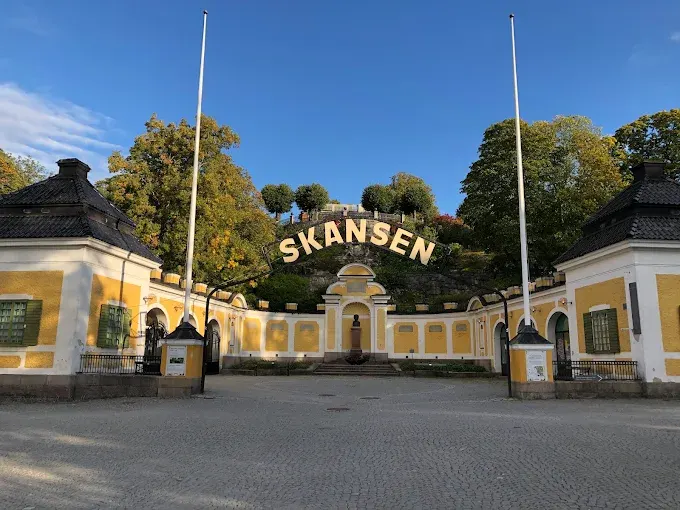
Skansen: Where Living Heritage Meets Wild Grounds
I walk through the main gates at ten past nine on a crisp September morning. The air smells of pine, woodsmoke, and damp earth. I paid 195 SEK for adult entry. That covers the entire grounds — historic buildings, animal enclosures, and panoramic views. A steep cobbled path leads upward past timber cottages and grazing sheep. Stockholm spreads out below across the water. Guides in traditional dress tend gardens and open doors. By midday families fill the meadows. Voices carry across the slopes. Come early and the place feels quiet and timeless.
Why Skansen Matters
Founded in 1891, Skansen is the world’s oldest open-air museum. Artur Hazelius gathered more than 150 historic buildings from across Sweden — farmhouses, churches, workshops, cottages — and rebuilt them on this hillside to show how people lived before industrial times. No glass cases separate visitors from the past. People demonstrate crafts, tend animals, and live here daily. It grew to include native wildlife too — wolves, bears, moose, lynx, and Nordic birds in spacious enclosures. Yet popularity brings strain. Paths grow worn and uneven. Some sections feel underfunded. In peak summer it can feel crowded rather than peaceful. The magic remains — but it needs care to stay alive.
The Best Time to Experience Skansen
Mid-June through mid-August brings longest days and liveliest programming — 15°C to 21°C (59°F to 70°F). Craft demonstrations, music, and events run daily. Crowds gather midday, especially weekends. Late August into September offers golden light, harvest displays, and thinner groups — 11°C to 16°C (52°F to 61°F). This is the finest season. October through April the grounds transform — -2°C to 5°C (28°F to 41°F). Winter markets, candlelit evenings, and snow-covered slopes feel truly special. Some buildings close but the atmosphere deepens. May blooms fresh — 7°C to 13°C (45°F to 55°F). Apple trees blossom and newborn animals appear. Avoid Midsummer and Christmas market weekends. Every path fills. Weekdays between 09:00 and 10:00 give you the slopes almost alone.
Approximate Budget for a 7-Day Trip
Most visitors base themselves in central Stockholm and walk or take transit to Skansen. Here is what one week costs for two people.
- Accommodation: 10,500 SEK — 7 nights central guesthouse at 1,500 SEK nightly. Staying across the water in Södermalm cuts this to roughly 8,000 SEK and adds 10 minutes travel.
- Food & Drink: 980 SEK per person daily. Skansen restaurants charge premium rates. Packing a picnic and eating on the lawn saves noticeably.
- Transport: Round-trip train from Gothenburg 1,800 SEK. Local transit pass 360 SEK per person. Walk from city centre 25 minutes — pleasant route across Djurgården bridge.
- Entry & Events: 390 SEK total — two adult tickets. Special events and concerts cost extra.
- Miscellaneous: 850 SEK for crafts, treats, and souvenirs.
Total estimate: 14,620 SEK for two people. One warning: the main hilltop café charges nearly double city prices. Bring your own coffee and sit at one of the stone benches — better view, no markup.
Essential Skansen Experiences
- Climb to the Old Farmstead — Highest point on the grounds. Timber buildings, slate roofs, working fields. The view stretches across rooftops, water, and forest. Arrive early — the sun hits this slope first. Skip this if you have limited mobility; the climb is steep and uneven.
- Meet Nordic Wildlife — Wolves, bears, moose, lynx, and seals live in large, wooded enclosures. They are not always visible — rest and watch patiently. Early morning is your best chance. Come back later if they stay hidden.
- Step Inside the 19th-Century Home — Guides explain daily life — cooking, weaving, child-rearing — without barriers. You see furniture, tools, and clothing in actual use. Keep voices low — it feels like someone stepped out moments ago.
- Walk the Forest Trail — Upper path runs through native woodland past enclosures and quiet meadows. Pine scent, bird song, almost no crowds. Most visitors stay on the lower main path. This is where Skansen feels most authentic.
- Watch Traditional Craft in Action — Potters, blacksmiths, weavers, and bakers work in workshops. You can watch, ask questions, and sometimes buy what they make. Support them directly — it keeps these skills alive.
- Sunset from the Eastern Slope — The sun dips over Stockholm. Light glows across the water and spires. Most visitors leave before this. Stay late — the gates stay open and the view belongs to you.
- Winter Snow Visit — Frost on timber, smoke from chimneys, quiet paths. The place feels as it did centuries ago. Dress warmly and check schedules — some buildings close but the atmosphere is unmatched.
Hidden Gems Most Travelers Miss
- Northern Cottage Lane — Away from the main route. Smaller buildings, herb gardens, quiet corners. Almost no one walks here. It feels like a secret village within the museum.
- Lower Meadow Path — Runs along the edge below the crowds. Wildflowers, grazing sheep, open views. Easy walking and peaceful. Perfect for resting.
- Old Church at Quiet Hour — Small wooden building near the top. Sit quietly inside. Light falls through narrow windows. Few visitors pause here long. It holds a special stillness.
- Gate Souvenir Shops — Convenient but overpriced. Buy handcrafts directly from the workshops. Same items, fairer price, and you support the maker directly.
Cultural & Practical Tips
- Wear sturdy walking shoes. Slopes are steep and cobblestones are uneven. You will walk far more than you expect.
- Respect the animals. Do not tap glass, call out, or offer food. Enclosures are designed to feel like wild — keep them peaceful.
- Ask before photographing staff. They are happy to agree but deserve courtesy. They are working, not just posing.
- Pack water and snacks. Options are limited and expensive inside. Picnic areas exist — use them and enjoy the grounds at your own pace.
- Check building closing times. Some smaller houses shut 30–60 minutes before the grounds. Plan your route accordingly.
- Visit more than once. Skansen changes completely with seasons — spring blossoms, summer events, autumn harvest, winter markets. One trip cannot capture it all.
- Take it slow. This is not a checklist. Sit, watch, listen. The spirit of Skansen lives in the quiet moments between exhibits.
Essential Visitor Information
Location & Access: Skansen, Djurgården, Stockholm. Tram 7 from central station 10 minutes. Walk from city centre 25 minutes across Djurgården bridge. Ferry from Slussen seasonal — 15 minutes.
Tickets & Booking: Adult approx 195 SEK. Child and family passes available. Booking recommended for special events; not required for general entry.
Operating Hours: Grounds open year-round generally 10:00–16:00 or later. Summer extended hours. Winter shorter days. Some buildings close Mondays or off-season.
Visit Duration: Minimum 3 hours. Recommended full day to explore buildings, animals, and views without rushing.
Family Suitability: Excellent. Animals, open spaces, hands-on history all appeal. Stroller access possible but slopes are steep — expect extra effort.
Timing: Best season: late August to September. Best time of day: 09:00–11:00 or before closing.
Highlights: Hilltop farmstead, Nordic wildlife, craft workshops, forest trail, sunset slope, winter quiet.
Nearby & Day Trip: ABBA Museum 5 minutes walk. Vasa Museum 15 minutes walk. Stockholm city centre 25 minutes. Drottningholm Palace 30 minutes by ferry.
Conclusion: Live the Heritage, Don’t Just View It
Skansen is more than a museum. It is a living place where past and present meet daily. You will find steep paths, higher prices inside, and crowded meadows in summer. You will also find a hillside that preserves not just buildings, but ways of life — quiet, practical, connected to the land. Will you walk slowly enough to feel them?
Comments
Post a Comment