Svalbard Polar: Where Arctic Wilderness Meets Human Resilience
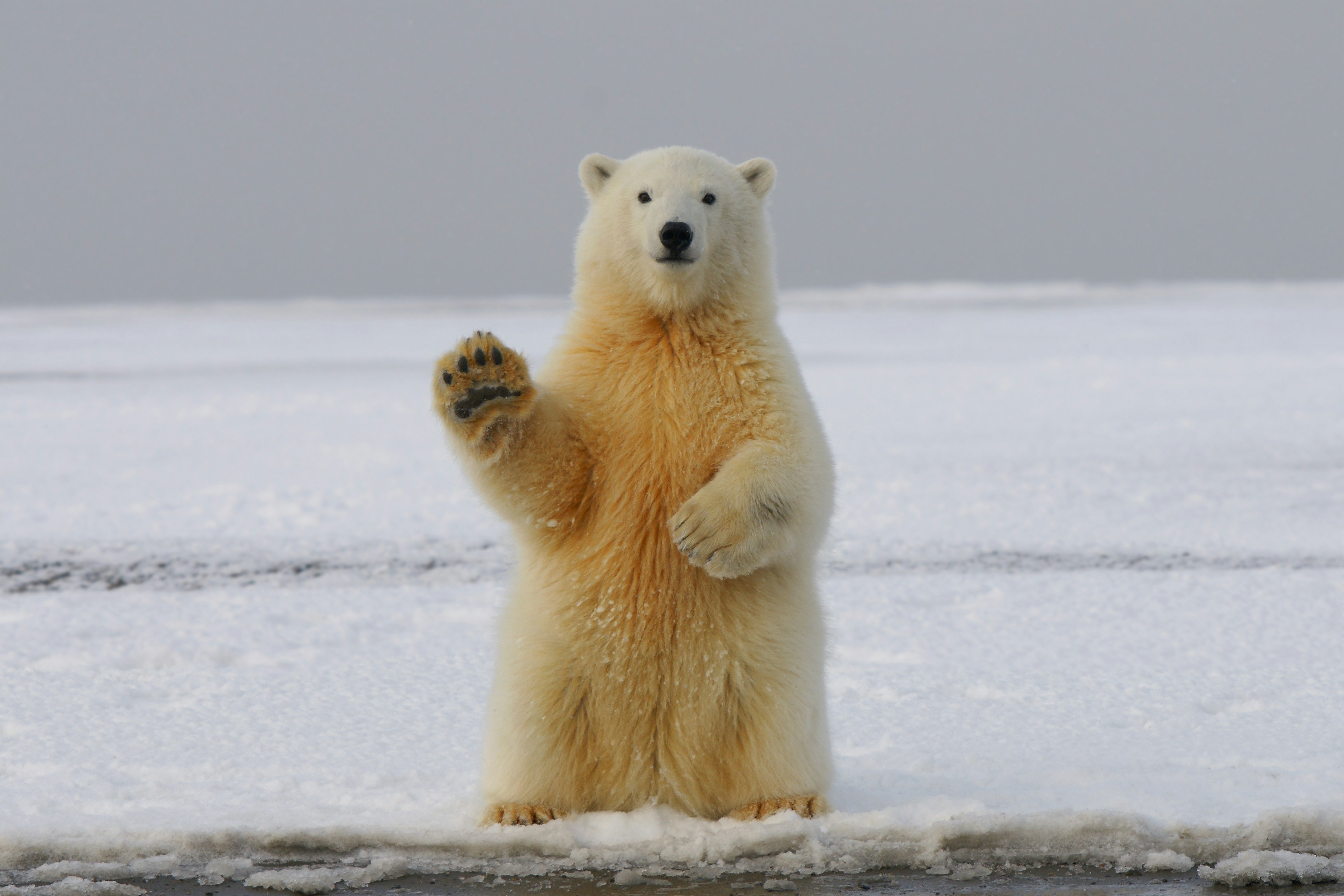
I stand on the deck of an expedition ship at 9 a.m. Floating ice drifts past the hull. The water is deep, dark, and still. I paid one hundred and fifty kroner for hot coffee in the mess room. A guide stands watch at the bow. Polar bears hunt along these edges. No one walks alone beyond settlements. The air feels clean and sharp enough to taste. It carries no smell of cities or farmland — only cold, salt, and something ancient. This is not a place you visit casually. You come prepared, or you do not come at all.
Why Svalbard Polar Matters
Svalbard sits midway between mainland Norway and the North Pole. Four hundred years ago, whalers from across Europe sailed here to hunt bowheads nearly to extinction. Coal mining followed, building remote settlements where families lived in isolation through months of darkness. Today the archipelago stands as one of the fastest-warming places on Earth. Glaciers retreat visibly. Sea ice forms later and melts earlier. Local people see the changes firsthand. Yet life continues. Research stations, weather monitors, and wildlife camps dot the coast. The Svalbard Treaty of 1920 grants equal access to all signatory nations. That unique status creates a layered community — Norwegian, Russian, international — living side by side under harsh conditions. Reality bites here. Weather can strand ships for days. Facilities are basic. Nothing is close. Some visitors find the discomfort frustrating. Others see it as the whole point.
The Best Time to Experience Svalbard Polar
Midnight sun runs May 15 through July 31. Daytime temperatures sit between 3°C and 7°C (37°F–45°F). Nights stay bright but cool. Sea ice clears from fjords, allowing ships further north. Wildlife is most active — seabirds nest, reindeer graze, walruses haul out on ice floes. August brings fading light and autumn colours. Temperatures drop to 2°C–5°C (36°F–41°F). Polar night runs roughly November 11 through January 30. The sun never rises. Northern Lights appear on clear nights. Temperatures fall to -15°C–-25°C (5°F–-13°F), sometimes colder. February through mid-May, light returns gradually. Snow remains deep and stable. This is prime season for dog sledding, snowmobiling, and crossing frozen fjords. Temperatures range from -10°C to -3°C (14°F–27°F). Winter gear is essential in every season. Even July can bring rain, wind, and sudden cold.
Approximate Budget for a 7-Day Trip
All prices in Norwegian Kroner per person:
- Accommodation — Longyearbyen guesthouse: 2,100. Basecamp-style lodge: 4,500. Shared cabin on expedition ship: 8,500.
- Food — Self-catered with packed lunches: 1,600. Mixed cafe and restaurant meals: 3,400. Full board on expedition vessel: included.
- Transport — Flights from Oslo: 3,200–4,500 round trip. Local tours included in cruise fare. Rental car (summer only): 2,800 shared between two.
- Activities — Guided glacier hike: 1,100. Dog sledding half-day: 1,800. Snowmobile expedition: 2,400. Museum entries: 280.
- Miscellaneous — Thermal layer rental, waterproof gear, travel insurance: 1,200.
Total on a land-based summer budget: NOK 10,500. Total with expedition cruise: NOK 18,000+. Premium "private polar expeditions" charging double standard rates are overpriced. You see the same wildlife and landscapes on standard departures. Book directly with established operators rather than through luxury agents to save 25–35 percent.
Essential Svalbard Polar Experiences
- Glacier Walk with Certified Guide — Step onto blue ice, explore crevasses, and see how meltwater shapes the landscape. Skip if you have balance problems or cannot walk steadily on uneven, slippery ground.
- Zodiac Cruise Along Ice Edge — Drift close to floating ice chunks. Seals rest on the surface. Walruses appear on remote beaches. Dress for wind — it feels far colder on the water.
- Dog Sledding Across Frozen Fjord — Winter and spring only. Help harness dogs, learn basic commands, and ride across vast white silence. Minimum age usually 12; weight limits apply.
- Pyramiden Ghost Town Visit — Former Soviet mining settlement abandoned in 1998. Empty streets, preserved murals, and the northernmost Lenin statue. Bring warm layers — shelter is limited.
- Northern Lights Vigil — November through March. Drive or snowmobile away from town lights. Wait in darkness. The display appears without warning. There is never a guarantee.
- Tundra Wildlife Watch — Summer only. Guided hikes within safe zones. Arctic foxes, Svalbard reindeer, and seabirds. Keep distance — all wildlife is protected.
Hidden Gems Most Travelers Miss
- Grumant Settlement Ruins — Abandoned mining site closer to Longyearbyen than Pyramiden. Fewer visitors make the trip. Crumbling wooden buildings and quiet shoreline views.
- Adventdalen Valley Upper Reaches — Guided hikes past the boundary sign. Broad river valley with tundra flowers and reindeer tracks. Go early morning for stillness.
- Nordenskiöld Glacier Shore — Gentle slope leading to the ice face. Calving happens occasionally. The main viewpoint at the landing spot has grown crowded and commercialised. It is overrated — walk twenty minutes further along the marked path and you will have the ridge to yourself.
- Jotunkjeldene Hot Springs Area — Remote site where warm water seeps from the ground. Accessible only by long hike or boat trip. Rarely visited. Check with local guides for current conditions.
Cultural & Practical Tips
- Never travel outside settlements without an armed, licensed guide. Polar bears are real, unpredictable, and legally protected. Do not attempt solo exploration.
- Do not expect guaranteed wildlife sightings. Polar bears remain rare. Many visitors leave without seeing one. That is not failure — that is the wild.
- Stay on marked paths. Permafrost ground recovers slowly. One footprint can scar the tundra for decades. Shortcuts cause lasting harm.
- Pack wool layers, not cotton. Cotton loses all warmth when damp and becomes dangerous in cold conditions. Local operators provide outer gear but bring your own base layers.
- Book everything early. Popular tours sell out 3–6 months ahead. Last-minute options are expensive and limited.
- Do not take anything. Bones, stones, driftwood, and artifacts all stay where you find them. Removing even a small item carries heavy fines.
- Respect light and darkness. In summer, sleep with blackout curtains if you need to. In winter, pace yourself — darkness affects energy and mood.
Essential Visitor Information
Location & Access: Svalbard archipelago from 74°N to 81°N. Main gateway: Longyearbyen Airport (LYR). Daily flights from Tromsø (1.5 hours), 4–6 weekly from Oslo (3 hours). Schengen visa needed for mainland Norway transit even though Svalbard itself is visa-free. Expedition cruises operate June–August from various departure ports.
Tickets & Booking: Guided glacier hike: NOK 950–1,200. Dog sledding: NOK 1,600–2,000. Snowmobile: NOK 2,200–2,600. Pyramiden boat tour: NOK 1,800. Museum entry: NOK 150. Booking essential — reserve 3–6 months ahead for peak season.
Operating Hours: Shops Monday–Friday 10:00–18:00, Saturday 10:00–16:00, Sunday closed. Museums 10:00–17:00 summer, shorter hours winter. Outdoor tours depart morning and afternoon; winter schedules shift with available twilight.
Visit Duration: Minimum 4 full days. Recommended 7–10 days. Weather delays are common; extra time gives flexibility.
Family Suitability: Limited. Most outdoor activities set minimum age 10–12. Stroller access nonexistent outside Longyearbyen centre. No advanced medical facilities — serious cases are flown to mainland Norway.
Timing: Best season: June–July for midnight sun and wildlife; February–March for Northern Lights and stable snow. Best time of day: early morning departures — fewer people and calmer seas.
Highlights: Glacier hike, Zodiac ice-edge cruise, Pyramiden visit, dog sledding, Northern Lights vigil.
Nearby & Day Trip: Barentsburg — 45 minutes by boat, active Russian settlement. Nordenskiöld Glacier — 2–3 hours by boat. Hopen and remote eastern fjords — multi-day expedition only. Ny-Ålesund — northernmost research settlement, no independent day trip.
Conclusion: Travel with Humility, Not Just Adventure
Svalbard polar regions offer immense beauty. They also show clear signs of change — retreating ice, shifting seasons, uncertain futures. You do not conquer this landscape. You visit it briefly and carefully. Stay with your guide. Leave nothing behind. Take only memories. Come with respect, not just a camera. What matters most to you here — the silence, the wildlife, or standing where so few people have walked?
Comments
Post a Comment