Câmara de Lobos Village: Where Fishing Heritage Meets Atlantic Cliff Drama
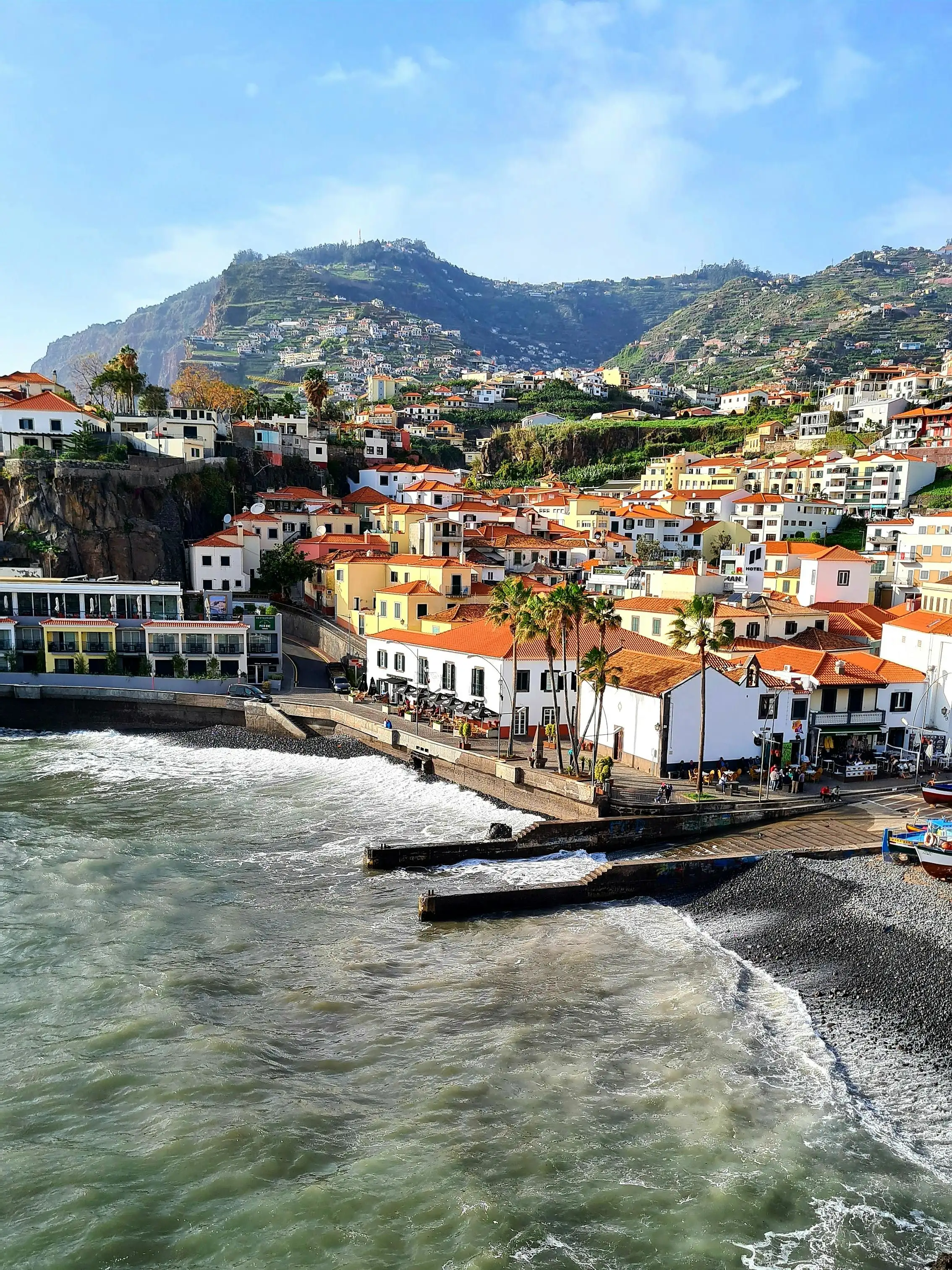
Câmara de Lobos Village: Where Fishing Heritage Meets Atlantic Shores
Standing on the harbour quay at eight in the morning, salt air mixes with the smell of grilled bread and fresh fish. Boats bob gently in the calm water, painted red and blue and yellow, their hulls scuffed from years at sea. Fishermen unload crates and call to one another, their voices echoing off stone walls. The sun climbs above steep green slopes, warming whitewashed houses that stack up the hillside. This bay drew people here six hundred years ago. They came by boat, stepped onto these same stones, and built a life tied to the ocean. Some things have barely changed since.
Why Câmara de Lobos Village Matters
Câmara de Lobos stands as one of Madeira’s earliest settled places. João Gonçalves Zarco landed here around 1420, before Funchal took shape. The name means chamber of wolves, but it refers to monk seals that once rested on these rocks, not actual wolves. The village grew around fishing, and that identity holds firm. Boats still work from this harbour each day. In 1950, Winston Churchill visited and set up an easel above the bay, drawing worldwide attention to a place few outsiders knew. The viewpoint still bears his name. Today, crowds swell in summer and along the waterfront, restaurant owners prioritize turnover over quality. Service can feel rushed, and prices climb higher than they should. Walk five minutes uphill and the real village remains, quiet and largely unchanged.
The Best Time to Experience Câmara de Lobos Village
Visit from mid-April through June, or mid-September through October. Temperatures sit between 18°C and 23°C (64°F to 73°F). Rain falls less often, and sunlight stays generous without extreme heat. July and August bring 25°C to 27°C (77°F to 81°F), but crowds pack the harbour and wait times stretch long. November through March brings cooler days around 16°C to 19°C (61°F to 66°F) and occasional rain. The village stays quiet then, and some restaurants close or reduce hours. Arrive before nine in the morning to see boats return and walk empty streets. Come back after five in the evening when day-trippers leave and light softens over the water.
Approximate Budget for a 7-Day Trip
Estimates cover one person based in Câmara de Lobos, exploring the village and nearby sites.
- Accommodation: €40–€70 per night; €280–€490 total. Small guesthouses uphill offer better value than waterfront lodgings.
- Food & Drink: €15–€28 daily; €105–€196 total. Order fresh fish at lunchtime; dinner costs more.
- Transport: €7–€14 daily using buses and occasional taxi; €49–€98 total. Bus to Funchal runs frequently and costs €4 one way.
- Attractions & Viewpoints: Most viewpoints cost nothing. Museums and entry fees average €3–€6 each. Budget roughly €25–€35 total.
- Miscellaneous: €6–€12 daily for water, snacks, and small purchases; €42–€84 total.
Total estimated cost: €501 to €903
Waterfront restaurants charge nearly double what places uphill charge. Walk two streets back, eat better food, and pay far less. The view is free either way.
Essential Câmara de Lobos Village Experiences
- Walk the harbour and watch the boats. Follow the quay from end to end. Notice how boats are built and painted, and watch fishermen unload their catch. This is not a show. This is work.
- Visit Churchill’s Viewpoint. Walk uphill to the marked spot and see the bay much as Churchill saw it in 1950. The angle matches his painting closely. Skip if you have limited mobility; the climb is steep and paved.
- Drink poncha at a local bar. This traditional mix of sugarcane spirit, honey, and citrus packs surprising strength. Try it at a place uphill rather than right on the waterfront.
- Explore Igreja de São Sebastião. Step inside the main church near the town square. Look for the gold altar and quiet stonework. Light filters through narrow windows and the space feels cool and calm.
- Stroll the seafront promenade. Walk toward the east along water level. The path offers changing views of the bay and cliffs rising straight from the ocean.
- Eat fresh espada with banana. This local combination may sound unusual. White fish with firm texture pairs well with sweet caramelized banana. Order it simply grilled.
Hidden Gems Most Travelers Miss
- Capela de Nossa Senhora da Conceição. This small chapel sits right near the harbour but stays overlooked. Inside, painted ceilings and quiet religious art reward a quick visit.
- Uphill cobbled lanes. Climb behind the church. Old houses, garden walls, and quiet corners appear where tour groups rarely walk. You see daily life unfolding.
- Jardim do Ilhéu. A small garden above the bay with benches and broad views. Few people sit here despite the excellent perspective over rooftops and water.
- The Churchill statue area near the harbour entrance draws crowds and photographs. It feels overrated compared with the actual viewpoint and the quiet streets above. Spend less time there and more time walking uphill.
Cultural & Practical Tips
- Watch your footing. Cobblestones stay slippery when damp. Many visitors stumble while looking at the view instead of the ground.
- Do not accept unsolicited “guides” at the viewpoint. They expect payment and offer little information you cannot read yourself.
- Respect working areas. Parts of the harbour remain active. Do not block docks or lean on equipment while taking photos.
- Carry small change. Buses and smaller bars handle cash more easily than cards. Few places accept large bills.
- Learn three words. Obrigado, obrigada, and por favor. Locals appreciate courtesy and respond warmly.
- Book nothing in advance for lunch. Walk past the first row of restaurants and choose one where locals sit. Quality improves and price drops.
Essential Visitor Information
Location & Access: On Madeira’s south coast, roughly 9 kilometers west of Funchal. By bus: lines run frequently from Funchal central station; ride takes roughly thirty minutes and costs €4. By car: follow the coastal highway west; parking is limited and expensive near the harbour. By taxi: roughly €25 one way from Funchal city center.
Tickets & Booking: Harbour, viewpoints, and church cost nothing. Small museum entry roughly €4. No advance booking needed anywhere except special group arrangements.
Operating Hours: Outdoors accessible all hours. Church open daily from 07:00 to 19:00. Shops and restaurants generally 09:00 to 22:00, shorter hours in winter.
Visit Duration: Minimum three hours. Allow five hours to walk uphill, eat, and explore without rushing.
Family Suitability: Children welcome. Harbour area flat and walkable. Uphill streets include steps and slopes. Restrooms available near the promenade and town square.
Timing: Best seasons April–June and September–October. Best times: before 09:00 or after 17:00.
Highlights: Harbour quay, Churchill’s Viewpoint, Igreja de São Sebastião, Capela de Nossa Senhora da Conceição, seafront promenade.
Nearby & Day Trip: Cabo Girão skywalk roughly 4 kilometers away. Fajã dos Padres accessible by cable car or boat. Funchal a short bus ride away. Porto Moniz natural pools fit a longer day trip, roughly forty minutes by car.
Conclusion: Travel with Curiosity, Not Just Cameras
Câmara de Lobos looks like a postcard, but it is not one. People live and work here. Fishing boats do not exist for photographs. Restaurants uphill serve better food at fair prices. Walk past the first row. Climb a little higher. Sit where locals sit. You see more and understand better. Would you rather stay where everyone else stands, or find the quiet corner where the village truly lives?
Post a Comment