
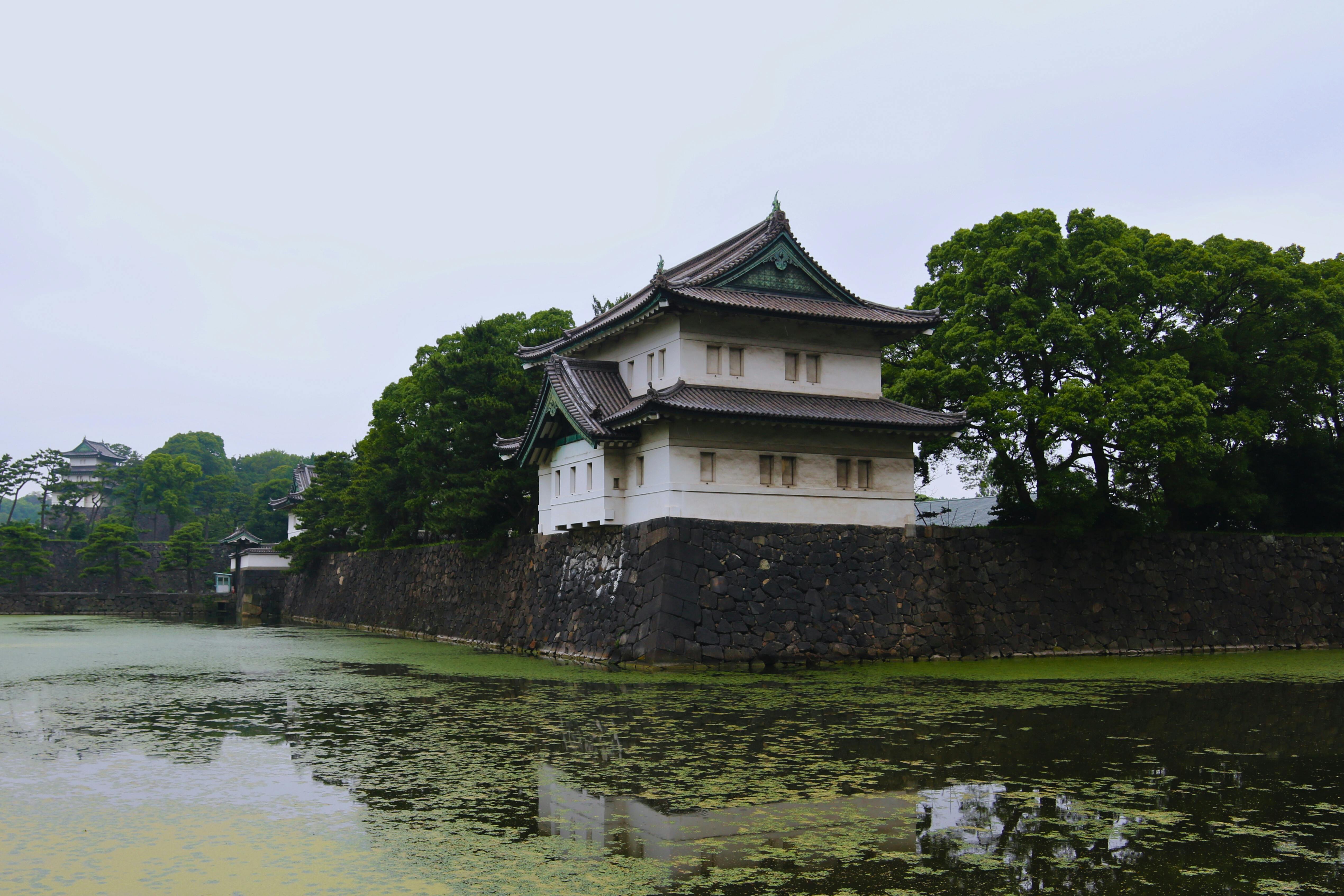
Imperial Palace Tokyo: Where Samurai Fortress Meets Imperial Grace
The stone walls rise 30 meters before you—massive granite blocks fitted without mortar, stacked by 17th-century craftsmen who understood that some fortifications should last centuries. It is 7:30 AM at the Nijubashi Bridge, and the double arches reflect perfectly in the still moat below, their limestone surfaces catching the first horizontal light of morning. This is the Tokyo Imperial Palace—1.15 square kilometers of sacred ground in Chiyoda, home to Emperor Naruhito and the heart of Japanese sovereignty since 1868 . Yet beneath the manicured pines and elegant bridges lies the ghost of Edo Castle, the Tokugawa shoguns' fortress that once anchored the world's largest city. The palace you see today—reconstructed after 1945 firebombing destroyed 75% of the original structures—answers a profound question: how does a nation rebuild its soul when its symbols lie in ashes? Here, modern steel-frame concrete wears traditional gabled roofs, and 70,000 annual guided tour visitors discover that resilience wears many architectural forms .
Why Imperial Palace Embodies Japan's Phoenix Resilience
The palace solves a historical problem: how to honor 400 years of continuous power while embracing catastrophic destruction. Construction began in 1457 as Edo Castle's Honmaru, built by Ōta Dōkan, but the complex met its first disaster in the 1657 Meireki fire, which consumed the original donjon . The Tokugawa shoguns rebuilt, only to see the Nishinomaru Palace burn on 5 May 1873 . The Meiji emperor, having relocated from Kyoto in 1868, commissioned a new Imperial Castle (Kyūjō) completed in 1888—a wooden masterpiece with 737-square-meter audience halls and copper roofs mimicking Kyoto's architecture . That structure lasted just 57 years. On the night of 25 May 1945, Allied firebombing raids destroyed most of the palace complex, leaving only the concrete library basement intact—the very room where Emperor Hirohito recorded the surrender declaration that 15 August 1945 . The engineering genius of the 1964-1968 reconstruction, designed by Junzō Yoshimura and built by Takenaka Corporation, features steel-framed reinforced concrete dressed in traditional cypress and copper. The 24,175-square-meter Kyūden rises two stories above ground with gabled hipped roofs, while seismic isolation systems protect the Matsu-no-Ma throne room from earthquakes . What problem does this solve? It proves that tradition isn't fragility—that Japan can build for eternity even after losing everything twice.
The Best Time to Experience the Imperial Palace
To witness the palace at its most transcendent—when Nijubashi's double arches mirror cloudless skies and crowds haven't yet gathered—plan between October 15–November 30 (autumn) or March 20–April 15 (spring). Autumn temperatures average 14-22°C (57-72°F), with ginkgo trees turning gold in the East Gardens . Spring offers 11-19°C (52-66°F) with cherry blossoms blooming mid-March to early April—the Chidorigafuchi moat becomes a tunnel of pink petals illuminated until 9:30 PM during peak yozakura (night sakura) . The sacred window for guided tours is 10:00 AM–11:30 AM on weekdays, when you can access the normally restricted Kyūden Totei Plaza free of charge with advance reservation . Summer (June–August) brings oppressive humidity (23-31°C / 73-88°F) and Japan's rainy season—June averages 254mm (10 inches) of rain, though the East Gardens' greenery peaks . Winter (December–February) offers solitude (6-8°C / 43-46°F) and crystalline views of Mount Fuji from the outer plaza—but afternoon tours are suspended and the gardens close by 4:00 PM . Avoid Mondays and Fridays (the East Gardens close), December 28–January 3 (New Year closure), and July 15–August 31 (afternoon tours suspended due to heat) . For official tour reservations and seasonal opening hours, consult: sankan.kunaicho.go.jp .
Approximate Budget for a 7-Day Trip Including the Imperial Palace
This breakdown treats the Imperial Palace as a free cultural centerpiece within a broader Tokyo itinerary, assuming mid-range independent travel. Prices in Japanese Yen (¥) and US Dollars ($), based on 2025-2026 data.
- Accommodation: ¥10,000–¥18,000 ($65–$120) per night near Tokyo Station or Otemachi. Budget: Sotetsu Fresa Inn Tokyo-Kyobashi (¥9,000 / $60). Mid-range: Tokyo Station Hotel (¥25,000–¥35,000 / $165–$230) . Splurge: Palace Hotel Tokyo (¥55,000 / $365) with direct palace views .
- Food: ¥3,500–¥6,000 ($23–$40) daily. Convenience store breakfast (onigiri, egg sandwich): ¥600 ($4). Lunch near Otemachi (ramen, soba): ¥1,000–¥1,500 ($7–$10). Dinner in Marunouchi: ¥2,000–¥4,000 ($13–$27). Imperial Palace bento box (Takeout from depot): ¥1,500 ($10) .
- Transportation: One-week Tokyo Metro pass: ¥1,500 ($10). Single subway ride to Otemachi Station: ¥180 ($1.20). From Narita Airport via Keisei Skyliner: ¥2,570 ($17).
- Attractions (Palace-focused): Imperial Palace Guided Tour (1 hour 15 minutes): FREE (advance reservation required) . East Gardens (Higashi-Gyoen): FREE . Museum of Imperial Collections (Sannomaru Shozokan): FREE . Chidorigafuchi Moat Boat Rentals (March–April): ¥500–¥800 ($3.30–$5) for 30 minutes .
- Miscellaneous: Imperial Palace stamp rally book: ¥300 ($2). Photograph with guards at Sakurada Gate: FREE . Marunouchi Building souvenir bento box: ¥1,500 ($10). Chidorigafuchi night sakura illumination (free viewing, donation appreciated): ¥0–¥500 .
Total 7-day mid-range budget including palace activities: ¥85,000–¥115,000 ($560–$760) per person, excluding international flights. Staying in Chiyoda adds convenience but raises accommodation costs by 20-30% compared to neighboring Shinjuku.
7 Essential Imperial Palace Experiences
- Book the Free Guided Tour to Enter Restricted Areas: The Imperial Household Agency offers 75-minute guided walking tours (English audio guides available) that access the Kyūden Totei Plaza—normally off-limits to the public . You'll stand before the Chowaden Reception Hall where the Emperor hosts foreign dignitaries, photograph the Fujimi-yagura watchtower (one of few surviving Edo Castle structures), and walk the same stone paths as imperial processions. Reserve online up to three months in advance—popular dates fill within hours . Same-day registration is possible at the Kikyo-mon Gate (9:00 AM start, first-come, first-served), but expect queues by 7:30 AM during peak seasons . If you succeed, you'll join the 50,000 annual visitors who glimpse Japan's most guarded real estate.
- Photograph Nijubashi Bridge at 7:00 AM Golden Hour: The famous "double bridge" (actually two bridges: a stone arch and a steel-truss drawbridge) reflects perfectly in the moat during the first hour after sunrise. Set up on the west side of the bridge (facing the palace) with a wide-angle lens (16-24mm) to capture the full reflection. The classic postcard shot: the stone bridge framed by pine trees with the palace's copper-roofed turrets visible above. By 8:30 AM, 200 tourists will crowd this spot; arrive at 6:45 AM for tripod-permitted solitude. During cherry blossom season (late March–early April), the reflection includes pink petals floating on the water—pure magic.
- Walk the East Gardens to Touch Edo Castle's Bones: The 74-acre East Gardens (Higashi-Gyoen, open 9:00 AM–4:00 PM, last entry 3:30 PM, closed Monday and Friday) occupy the former Honmaru and Ninomaru compounds of Edo Castle . Here, you can walk through the stone foundation of the original donjon—the massive granite base that supported the five-story keep until the 1657 fire. The 百人番所 (Hyakunin Bansho) guardhouse, reconstructed in 1968, shows where 100 samurai patrolled. The Suwa no Chaya teahouse offers matcha and sweets (¥700 / $4.60) with views of the palace's northern gardens . Most tourists skip the gardens because they're "just ruins"—but walking the same stones as shoguns, standing where Tokugawa leyasu's keep once pierced Tokyo's skyline, is the palace's most visceral history lesson.
- Visit the Museum of Imperial Collections (Free, No Queue): Tucked behind the East Gardens' Sannomaru section, this minimalist museum opened in 2023 to display 9,800 works once owned by the imperial family. Why do tourists miss it? No English marketing, free admission (unusual for Tokyo museums), and a plain concrete facade that hides 2,000 square meters of Meiji-era treasures. Current exhibitions include Emperor Showa's biological specimens (butterflies collected in the 1920s), Empress Michiko's watercolor sketches, and the actual 1945 surrender scroll facsimile. Entry requires showing passport at the door; no reservations needed. Open 9:30 AM–4:30 PM, closed same days as East Gardens .
- Rent a Boat at Chidorigafuchi During Cherry Blossoms: Located on the palace's western moat, Chidorigafuchi Park allows you to rent rowboats (¥500 for 30 minutes, ¥800 for 60 minutes) from late March to early April during peak sakura. The 700-meter moat path becomes a tunnel of 260 cherry trees, their branches drooping to water level—you'll paddle through pink petals carpeting the surface. The catch: arrive by 8:00 AM or face a 90-minute wait. Night rentals (6:00 PM–9:00 PM) during yozakura illuminations require advance tickets (¥1,200 / $8) sold at the park booth from 5:00 PM, limited to 50 boats . The moat's calm water creates mirror reflections of the illuminated blossoms—bring a waterproof camera and expect to get wet.
- Attend New Year's Greetings or Emperor's Birthday (If Timing Aligns): Twice annually—January 2 (New Year's Greeting) and February 23 (Emperor Naruhito's birthday)—the palace opens its inner gates to the public. From 9:30 AM–3:00 PM, you can enter the Kyūden Totei Plaza to see the imperial family appear on the Chowaden balcony . The Emperor gives a short speech (Japanese only, but staff distribute English translations), and thousands wave Japanese flags while shouting "Banzai!" (Long live the Emperor!). Arrive by 7:00 AM to clear security; the gates close when capacity (roughly 50,000) is reached—usually by 11:00 AM. No reservations required, but expect airport-level screening and no photography restrictions except during the speech itself .
- Trace the Imperial Palace Running Route at 6:00 AM: The 5-kilometer perimeter loop connecting the palace's outer gardens (Kokyo Gaien) is Tokyo's most famous running route—used by 10,000 joggers daily, including Olympic marathoners . Start at Sakurada Gate, run past the iconic "Pine Tree of the Great East Japan Earthquake" memorial, circle the British Embassy (the palace's oldest diplomatic building, constructed 1929), and finish at the Wadakura Bridge. The 6:00 AM window offers cool temperatures (even in August) and sunrise over the moats. Running clubs (free, no registration) meet at the Tokyo Station Marunouchi exit at 6:30 AM on Saturday mornings—join them to learn the route's history from local runners. Water fountains available at 2.5 km and 4 km marks.
3 Hidden Gems Most Travelers Miss
- Kikyo-mon Gate's Bullet Hole Stones: Most visitors pass through the Kikyo-mon Gate (the guided tour meeting point) without examining its stone walls. Look closely at the granite blocks near ground level—you'll find small circular indentations, some with metal fragments embedded. These are bullet holes from the 1936 February 26 Incident, a coup attempt where 1,500 young soldiers seized the palace for three days, killing three government officials before the revolt was crushed. The Imperial Household Agency left the marks as a memorial, not a repair—a reminder that even palaces witness violence. No signs in English; bring a magnifying app on your phone to examine the lead residue .
- Fujimi-yagura Watchtower's Hidden Shogun Mon: The Fujimi-yagura (Mount Fuji-viewing turret) stands 16 meters tall in the East Gardens, the only surviving watchtower from Edo Castle's original 1630s construction . Climb the stairs to the second floor (open during garden hours), turn your back to Tokyo's skyscrapers, and look at the ceiling beams. Carved into the wood are small mon (family crests) of the Tokugawa clan—three hollyhock leaves in a circle. These were covered during the Meiji era (when imperial authorities erased shogunate symbols) but accidentally exposed during 1990s restoration. The staff won't point them out; you must find them yourself. Bring binoculars or a telephoto lens—the beams are 4 meters overhead .
- Kikyō-no-Ma Garden's Secret Well: Hidden in the East Gardens' northwestern corner, behind a hedge that most tourists pass without noticing, lies a 3-meter-deep well called Kikyō-no-Ma (Bellflower Room Well). This well saved the imperial family's lives on 25 May 1945—when firebombing destroyed the palace, Emperor Hirohito and his family took shelter in the library basement, but palace staff drew drinking water from this well for three days . The well is still active; the Imperial Household Agency tests its water annually. Access: from the East Gardens' main path, follow signs to "Suwa no Chaya," turn left at the teahouse, walk 50 meters, and look for the stone rim behind the bamboo fence. No English sign—just a small plaque in Japanese. Touch the well's edge; the stone is worn smooth from 380 years of ropes .
Cultural & Practical Tips
- Tour Reservation Strategy: The free Imperial Palace guided tour requires advance reservation through the Imperial Household Agency website . New slots open on the first day of each month for the following two months (e.g., April 1 for May and June tours) . English audio guides are available, but the guide speaks Japanese—download the "Imperial Palace Guide" app for real-time English translation of key stops. If you miss online slots, same-day registration begins at 9:00 AM at Kikyo-mon Gate, but only 30 spots are available; queue by 7:30 AM .
- Security Screening Protocol: Entering the guided tour or the Kyūden Totei Plaza requires airport-level security: empty pockets, walk through metal detectors, bags X-rayed . Prohibited items: tripods, selfie sticks, large backpacks (must be checked at lockers near Kikyo-mon, ¥500 refundable), and any item that could be used as a weapon. Allow 20 minutes for screening before your tour's start time . Cameras are permitted but flash photography is prohibited inside any palace building .
- Essential Japanese Phrases for Palace Visits: Kōkyo gaien wa doko desu ka? (Koh-kyoh gah-ee-en wah doh-koh dess kah?)—"Where are the outer palace gardens?" Ask security guards this; they'll point to the free-access areas. Kono shiro no ishi wa nan-nen mae desu ka? (Koh-noh shee-roh no ee-shee wah nahn-nehn mah-eh dess kah?)—"How old are these castle stones?" A conversation starter with volunteer guides.
- What to Wear for Seasonal Conditions: August demands heat vigilance—wear moisture-wicking fabrics, carry a hand towel, and bring at least 1 liter of water (vending machines inside gardens but limited). January requires coats, gloves, and hand warmers (kairo), as morning temperatures drop to 1°C (34°F) and the exposed stone walls create wind tunnels . Comfortable walking shoes are non-negotiable—the guided tour covers 2.5 kilometers on uneven gravel and stone paths .
- Photography Rules: You may photograph anywhere in the East Gardens and outer grounds. During the guided tour, photography is permitted in the Kyūden Totei Plaza but prohibited inside the Chowaden Reception Hall and the Imperial Household Agency offices . Tripods are banned on the guided tour (obstructs pathways) but allowed in the East Gardens before 10:00 AM . The classic Nijubashi shot requires a 70-200mm lens to compress the bridge against the palace façade .
- Garden Closure Awareness: The East Gardens close Mondays and Fridays (or the following day if a national holiday falls on those days) . They also close from December 28–January 3 for New Year holidays and during imperial events (check the Household Agency website for last-minute closures). The outer gardens (Kokyo Gaien) remain open 24/7 for jogging and walking .
- Cash vs. Card at the Palace: The Museum of Imperial Collections, Suwa no Chaya teahouse, and Chidorigafuchi boat rentals are cash-only—bring ¥2,000–¥5,000 ($13–$33) in small bills. The nearest reliable ATMs: 7-Eleven outside Tokyo Station's Marunouchi exit (5-minute walk) or the JP Bank inside the Palace Hotel (3-minute walk).
Conclusion: Travel with Reverence, Not Just Pictures
The stone walls of Edo Castle have watched Tokyo burn twice—in 1657 and 1945—and twice, they've watched the city rise again. The Imperial Palace is not a monument to imperial power alone; it's a monument to Japanese persistence, to the idea that a nation's soul survives even when its buildings do not. Stand at the Fujimi-yagura watchtower and look out at the skyscrapers of Marunouchi—seventeenth-century samurai stood here, watching for fires and invaders, believing their world would last forever. It didn't. But the stone beneath your feet did. The palace teaches that reverence is not nostalgia—it's the active choice to remember what came before while walking toward what comes next. Bow before the Nijubashi if you feel moved; leave no trash in the gardens; step quietly through the East Gardens' gravel paths. These small acts of respect are how you honor not just an emperor but a people who have rebuilt their home on the same sacred ground, century after century, ruin after ruin, miracle after miracle.