
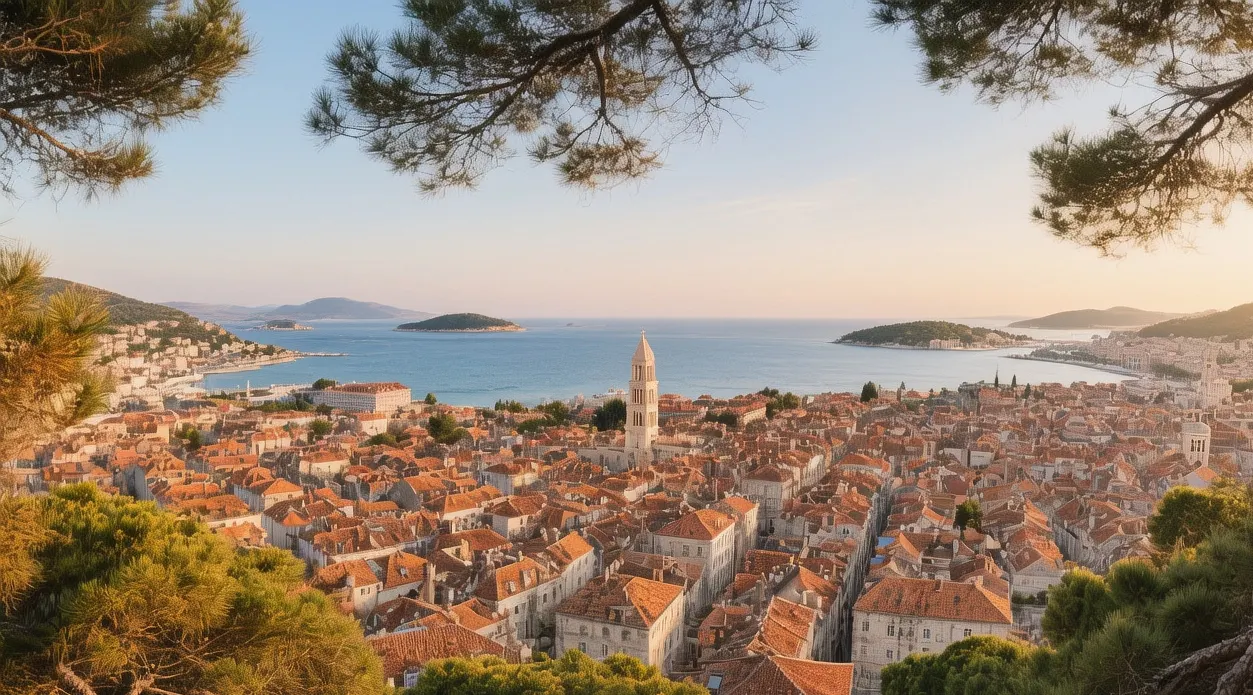
Marjan Hill: Where Forested Peaks Meet Adriatic Panorama
The morning sun filters through Aleppo pine canopies as you ascend stone steps worn smooth by centuries of footsteps, the scent of resin and wild rosemary filling the air with every breath. The Adriatic stretches endlessly to the south in shades of turquoise and sapphire, while Split's terracotta rooftops cascade toward the harbor like a mosaic of amber and ochre. You hear the gentle chirp of Mediterranean birds hidden in dense foliage, the soft rustle of leaves in the coastal breeze, and the distant murmur of the city waking below. This is Marjan Hill—a forested peninsula rising 178 meters (584 feet) above sea level, protected as a nature park since 1964, where ancient hiking trails wind through Mediterranean maquis and Byzantine chapels perch on rocky outcrops. The hill matters because it preserves something increasingly rare: an urban wilderness where nature and culture converge without compromise, offering visitors a chance to escape the crowds while gaining perspective on a city where Roman stone meets Adriatic light.
Why Marjan Hill Embodies Split's Natural Soul
The Marjan Hill forest park represents one of the Adriatic's most elegant examples of urban conservation, where geological formation, monastic tradition, and civic pride converge within a compact, walkable landscape. Formed from limestone during the same tectonic uplift that created the Dalmatian coast, Marjan's karst terrain—pocked with solution pits, natural springs, and shallow caves—provided both challenges and opportunities for human settlement. When Benedictine monks arrived in the 13th century, they solved a fundamental need: creating hermitages for spiritual retreat while cultivating olive groves and maintaining a connection to the sea that sustained Split's maritime heritage.
Engineering adaptations reflect centuries of ingenuity. The hill's extensive trail network—over 15 kilometers of marked paths—was developed in the early 20th century using local limestone for steps and retaining walls, bound with traditional lime mortar that has hardened over decades. Water cisterns carved into bedrock collected rainfall for monastic communities, while terraced gardens maximized arable land on steep slopes. The City of Split Nature Park Administration manages Marjan as a protected area since 1964, ensuring that visitor infrastructure minimizes impact on the Mediterranean ecosystem: wooden boardwalks protect sensitive vegetation, and trail capacity remains within ecological limits to preserve soil integrity and native plant communities.
Today, approximately 800,000 visitors annually explore Marjan's trails, generating revenue that funds ongoing conservation research and supports local communities. The hill fulfills a deeper need: providing authentic connection to natural processes in an age where engineered attractions often replace wild wonder. When you walk paths suspended over limestone ridges, surrounded by forests that thrive in mineral-rich soil, you participate in a tradition that honors the connection between planetary power and human humility—a philosophy increasingly valuable in an era of environmental uncertainty.
The Best Time to Experience Marjan Hill
Optimal conditions for hiking Marjan Hill occur during two distinct windows: May 15 through June 25 and September 8 to October 18. During these periods, temperatures range between 19-25°C (66-77°F), rainfall averages just 45-65mm monthly, and spring blooms or autumn colors frame the panoramic views in vibrant contrast. Visit between 7:00-8:30 AM to experience soft morning light on the Adriatic, minimal crowds, and the magical spectacle of mist rising from warm valleys into cool forest air.
Summer months (July-August) present challenges: temperatures reach 27-31°C (81-88°F), crowds peak with 3,000+ daily hikers, and afternoon heat can make steep ascents uncomfortable despite forest shade. Winter (November-February) brings cooler temperatures—8-14°C (46-57°F)—and occasional rain that makes limestone steps slippery; some trails may close temporarily during storms. Avoid visiting during midday in summer (11:00 AM-3:00 PM) when sun exposure is intense on exposed viewpoints and the main trail to Telegrin peak becomes congested with tour groups.
For current trail conditions, park updates, and event schedules, visit www.visitsplit.com, the official tourism portal maintained by the Split-Dalmatia County Tourist Board. The website provides real-time updates on Marjan access, links to the official nature park page at park-marjan.split.hr, and detailed information about guided nature walks, photography workshops, and seasonal cultural festivals. The park's trails remain accessible daily from sunrise to sunset, though visitor centers operate from 8:00 AM to 6:00 PM (April-September) and 9:00 AM to 4:00 PM (October-March).
Approximate Budget for a 7-Day Trip
Split offers exceptional value for a Mediterranean coastal destination, with costs approximately 25-35% lower than Western European cities. This breakdown assumes a mid-range travel style with comfortable accommodations, authentic local dining, and public transportation—walkability within Split's core significantly reduces transit costs.
- Accommodation: €60-€115 per night for a double room in a family-run pansion or three-star hotel in Split's Old Town, Varoš, or Bačvice neighborhoods
- Food: €30-44 per day total
- Breakfast: €5-9 (coffee, fresh burek, and local cheese at a pekara)
- Lunch: €10-15 (crni rižot—black cuttlefish risotto, or grilled sardines with olive oil)
- Dinner: €15-20 (slow-cooked lamb peka or fresh Adriatic fish with local Plavac Mali wine)
- Transportation:
- Split bus day pass: €5.50 (covers city routes and airport shuttle)
- Taxi from Split Airport: €30-40 one-way
- Inter-city bus to Trogir or Dubrovnik: €15-35 round-trip
- Marjan Hill trails accessible on foot from Old Town; no transport needed
- Attractions:
- Marjan Hill nature park entry: Free
- Guided forest ecology tour: €25-35 per person
- Split Zoo at Marjan base: €8 adults, €4 children
- Diocletian's Palace substructures: €8
- Archaeological Museum entry: €10
- Miscellaneous:
- Hiking poles rental: €8-12 per day
- Local lavender products: €7-18
- Maraschino liqueur tastings: €5-9
Total estimated cost for 7 days: €880-1,280 per person (excluding international flights)
7 Essential Marjan Hill Experiences
- Sunrise Hike to Telegrin Peak: Begin your ascent at 7:00 AM from the Priko neighborhood trailhead, following the marked path that climbs 178 meters through Aleppo pine forest. Reach the summit viewpoint at 7:45 AM to witness Split emerging from morning mist, with soft light illuminating Diocletian's Palace and the harbor beyond. The 30-minute hike requires moderate fitness; bring layers as temperatures at elevation can be 3-5°C cooler than sea level. Stay for the full panorama—on clear days, visibility extends to the Brač and Šolta islands.
- Byzantine Chapel Photography: Position yourself at the Church of Saint Nicholas (13th century) around 9:00-10:00 AM for optimal light on the stone facade and bell tower. The chapel, perched on a rocky outcrop with panoramic Adriatic views, offers exceptional photography opportunities with minimal crowds. Bring a wide-angle lens to capture the chapel framed by pine branches and sea beyond; tripods permitted in designated areas only.
- Forest Trail Exploration via Juda's Path: Hike the 3-kilometer circular trail that winds through Mediterranean maquis, passing ancient olive groves, wild rosemary thickets, and limestone karst formations. The path gains 120 meters of elevation with stone steps and wooden railings; allow 90 minutes with stops for birdwatching and botanical observation. Start at 8:30 AM for optimal wildlife activity—look for Dalmatian wall lizards and Eurasian jays in the canopy.
- Beach Break at Kašjuni or Bene: After morning hiking, descend to one of Marjan's pebble beaches for a refreshing swim in the Adriatic. Kašjuni Beach (west side) offers clearer water and fewer crowds; Bene Beach (south side) features beach bars and water sports. Visit at 2:00-3:00 PM when afternoon light enhances underwater photography; bring water shoes for rocky entry points.
- Sunset Viewpoint at Prva Vidilica: Return to the "First Viewpoint" at 6:00-7:00 PM in summer when golden light bathes Split's terracotta rooftops and the harbor glows amber. This accessible overlook, reachable via a gentle 15-minute walk from the main trailhead, offers panoramic perspectives without the climb to Telegrin. Bring a polarizing filter to manage sea glare; the viewpoint's stone benches provide perfect spots for quiet reflection.
- Traditional Lunch at Forest Café: After exploration, dine at the small café near the Marjan base, which serves simple Dalmatian fare: grilled fish sandwiches, fresh salads, and local wine. Expect to pay €12-18 per person; terrace seating offers forest views as hikers come and go. Visit at 1:00 PM to avoid peak lunch crowds while still enjoying daylight views.
- Evening Stroll with Local Crowds: Return to Marjan's main trail at 5:00-6:00 PM when Split residents take their evening korzo (promenade) through the forest. Experience the paths as locals do: leisurely, social, with gelato in hand. The warm light creates magical photography opportunities as the city transitions from day to night; follow the sound of laughter to find impromptu gatherings at scenic overlooks.
3 Hidden Gems Most Travelers Miss
- Jewish Cemetery Historical Trail: Tucked on Marjan's eastern slope, this 16th-century cemetery features ornate stone markers and cypress trees that create a serene, contemplative atmosphere. Access via a marked trail from the Priko neighborhood; open daily sunrise to sunset, free entry. The cemetery is often overlooked by visitors rushing to viewpoints; visit at 4:00 PM for soft light filtering through ancient trees. Respectful silence is appreciated; photography permitted without flash.
- WWII Partisan Memorial Forest: Near the hill's northern ridge, a secluded grove features a modest stone monument commemorating Split's resistance fighters, surrounded by endemic Dalmatian flora. Access via an unmarked path beginning near the Marjan radio tower; follow stone markers for 10 minutes. The site offers exceptional solitude and photo opportunities with minimal crowds. Visit weekday mornings; no facilities exist, so bring water and practice Leave No Trace principles.
- Hermit's Cave at Marjan's Peak: Behind the Telegrin summit, a small limestone cave once sheltered Benedictine hermits seeking solitude. Access via a discreet trail beginning 50 meters past the main viewpoint; look for stone steps carved into the rock. The cave's cool interior (16°C/61°F year-round) offers a moment of ancient wonder away from crowds. Visit at midday when exterior light illuminates the entrance; bring a small flashlight to explore the interior safely.
Cultural & Practical Tips
- Trail etiquette: Stay on marked paths to protect fragile Mediterranean vegetation and prevent soil erosion on limestone slopes. Walk single-file on narrow sections; step into designated pullouts to let others pass. Never pick wildflowers or remove stones—preservation depends on visitor respect.
- Footwear essentials: Wear sturdy hiking shoes with excellent traction—the limestone steps become slippery when wet or dusty. Avoid sandals or smooth-soled shoes; uneven terrain requires stable footing. Comfortable walking shoes are non-negotiable for exploring forest trails.
- Hydration strategy: Carry at least 1.5 liters of water per person; while the park has drinking fountains at main trailheads, forest paths have limited facilities. Refill bottles at designated stations to reduce plastic waste. Visit in morning or late afternoon to avoid peak heat exposure on exposed ridges.
- Essential Croatian phrases: "Dobar dan" (DOH-bar dahn = good day), "Hvala" (HVAH-lah = thank you), "Oprostite" (oh-PROH-stee-teh = excuse me), "Gdje je...?" (gdyeh yeh = where is...?). Locals appreciate even basic efforts to speak Croatian.
- Photography guidelines: Drones require special permission from the Split City Administration—contact visitsplit.com at least 72 hours in advance. Respect other visitors' experiences; avoid blocking viewpoints for extended shots during peak hours. Golden hour (7:00-8:30 AM, 6:00-7:30 PM summer) offers optimal light for panoramic photography.
- Weather considerations: The Adriatic coast can experience sudden bura (northeasterly) winds that make exposed viewpoints chilly even in summer. Pack a light windbreaker; check the Croatian Meteorological Service at dhms.hr before visiting. Rain is rare in summer but possible; a compact umbrella fits easily in a daypack.
- Accessibility information: The main trail to Prva Vidilica features paved pathways suitable for most mobility levels, though summit trails involve stairs and uneven terrain. Contact +385 21 345 000 for accessibility guidance and adapted route suggestions; the lower forest paths offer beautiful views without steep climbs.
Conclusion: Travel with Reverence, Not Just Recreation
Marjan Hill asks something deeper than your camera lens—it invites your reverence for a landscape where forest and city, ancient and modern, solitude and community coexist in delicate balance. As you walk paths worn by centuries of footsteps, remember that you're experiencing not just a viewpoint but a covenant: a promise that some places endure because communities choose to protect them. The hill matters because it reminds us that preservation is an active verb, requiring both visitor respect and local stewardship.
Responsible travel here means recognizing that this wilderness belongs first to the ecosystems and heritage it protects. It means staying on trails to protect native plants, carrying out all waste, and understanding that your presence supports conservation efforts keeping this legacy intact. The rangers, guides, and residents who maintain Marjan aren't service providers—they're custodians of a story written in pine, limestone, and light.
Slow down. Feel the resin-scented air. Listen to the Adriatic whispering beyond the forest canopy. When you leave Marjan Hill, carry not just photographs of panoramic vistas but a commitment to value places where nature and city walk hand in hand. That's the difference between visiting a viewpoint and truly honoring a sanctuary.