
Asahiyama Zoo: Where Action Meets Hokkaido's Winter Wonderland
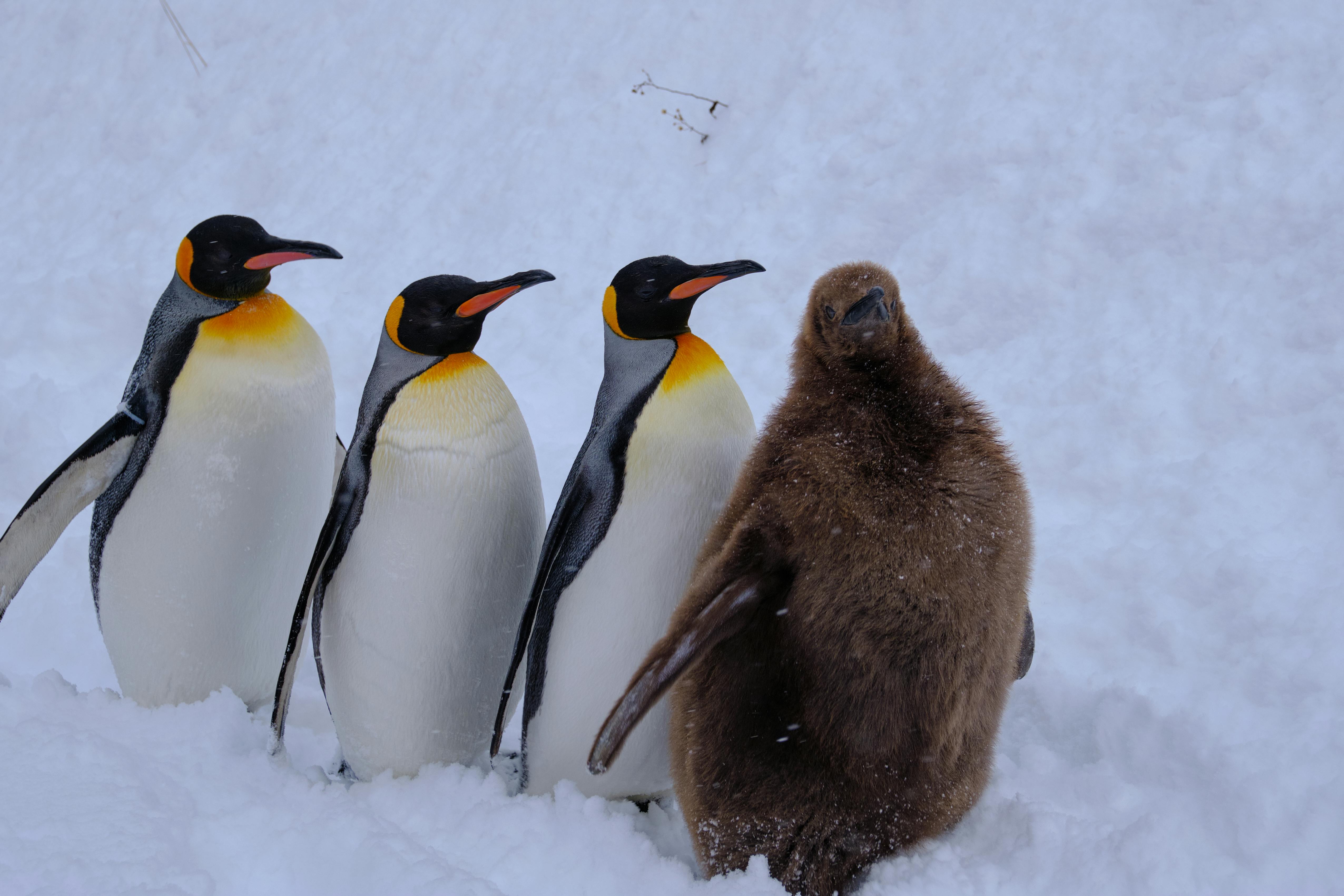
The squeak of boots on packed snow announces their arrival before the first waddle appears. At exactly 11:00 AM on a February morning, a dozen king penguins emerge from their enclosure, necks extended with regal curiosity, and begin their daily march through a corridor of delighted onlookers. This is the legendary penguin parade at Asahiyama Zoo—Japan's northernmost zoo, where the guiding philosophy is not to display animals, but to reveal their lives . Opened in July 1967 on a 15.2-hectare site at the foot of Mount Asahi , this municipal zoo nearly closed in the 1990s before a revolutionary concept called "action exhibit" (行動展示) transformed it into one of Japan's most beloved attractions . Today, over 1.3 million visitors annually press their faces against glass domes, peer through underwater tunnels, and watch polar bears plunge past their noses .
Why Asahiyama Zoo Embodies Revolutionary Animal Viewing
In the mid-1990s, Asahiyama Zoo faced a crisis. Annual attendance had plummeted to roughly 260,000 visitors, facilities were aging, and closure loomed . The problem was universal to zoology: how do you make captive animals interesting when they spend most of their day sleeping or hiding? The answer, pioneered here, became 行動展示 (kōdō tenji)—"behavioral exhibits." Rather than simply displaying an animal's form (形態展示), the zoo redesigned enclosures to reveal natural behaviors. The 2002 Polar Bear House introduced a 17-meter-long underwater viewing tube where visitors watch these massive carnivores dive and somersault . The 2004 Seal House features a vertical cylindrical tunnel—1.5 meters in diameter—that seals spiral through, their whiskers inches from your face . The 2000 Penguin House offers a 360-degree underwater tunnel where birds "fly" through blue water above and beside you . Between 1997 and 2008, the zoo opened a new action exhibit almost annually, rebuilding itself from near-collapse to record 3.5 million visitors in 2007—second only to Ueno Zoo nationally .
The Best Time to Experience Asahiyama Zoo
Each season offers dramatically different experiences at Japan's northernmost zoo. For the iconic penguin parade, visit between late December and mid-March, when daily snow cover permits the 500-meter walk . Winter temperatures range from -7°C to -1°C (19°F–30°F)—bitter cold that requires full Arctic gear . For comfortable exploring with fewer crowds, September 15–October 31 offers autumn foliage coloring the surrounding hills, temperatures between 2°C–16°C (36°F–61°F), and the chance to see animals active in cooling weather . Avoid July–August despite warm 16°C–22°C (61°F–72°F) temperatures—summer holidays bring crushing crowds, and many animals retreat to shaded indoor areas . The zoo closes for maintenance periods: April 8–25, November 4–10, and December 30–January 1 . Summer hours (late April–mid-October): 9:30 AM–5:15 PM; winter hours (mid-November–early April): 10:30 AM–3:30 PM . Official resource: www.city.asahikawa.hokkaido.jp/asahiyamazoo/ .
Approximate Budget for a 7-Day Asahikawa Trip
This budget assumes moderate travel during winter (penguin parade season) excluding international flights. Prices in Japanese Yen (¥) with USD equivalents at ¥150 = $1.
- Accommodation: ¥8,000–¥18,000 per night ($53–$120) — Near Asahikawa Station (JR Inn Asahikawa) or in central shopping district (Heiwa Street)
- Food: ¥3,000–¥6,000 per day ($20–$40) — Breakfast ¥500–¥800 (convenience store onigiri and coffee), Lunch ¥1,000–¥1,500 (zoo restaurant curry rice, highly rated), Dinner ¥1,500–¥3,500 (Asahikawa ramen at Ramen Village or local izakaya)
- Transportation: ¥1,500–¥3,000 per day — Bus #41, 42, or 47 from Asahikawa Station to zoo: ¥500 one-way (40 minutes) . JR Limited Express from Sapporo to Asahikawa: ¥4,810 one-way (85 minutes) . Zoo Liner direct bus from Sapporo: approximately ¥2,500 each way
- Attractions: Asahiyama Zoo adult admission ¥1,000 (high school students and older); junior high and younger: FREE ; Asahikawa Ramen Village: free entry
- Miscellaneous: Zoo-exclusive penguin plush toy ¥1,500–¥3,000; Milk ice cream at zoo ¥400–¥500 ; Hand warmers (winter essential) ¥200 each; Snow boots rental ¥1,000–¥2,000/day
Total estimated for 7 days: ¥70,000–¥145,000 ($470–$970) excluding international flights and assuming minimal off-site travel
7 Essential Asahiyama Zoo Experiences
- Penguin Parade First Viewing (11:00 AM, Winter Only): Arrive at the penguin enclosure by 10:30 AM to secure a front-row spot along the roped walking path. The parade lasts approximately 20–30 minutes, with king and gentoo penguins waddling past at arm's length. Photographers: NO flash—it frightens the birds . Parades occur once or twice daily from late December through mid-March, check the zoo's temperature-dependent schedule online before visiting.
- Polar Bear Underwater Tube (Morning Feeding): The Polar Bear House features a domed acrylic viewing capsule that places you inside the 17-meter pool . Feedings occur at approximately 11:30 AM and 2:30 PM (check daily schedule). The keeper tosses fish into the water, and the 400-kilogram bears execute full-body dives—you'll see massive paws paddle directly overhead from inside the "Beaker Eye" capsule .
- Seal House Vertical Tunnel: Walk through the cylindrical "Marine Way"—a 1.5-meter-diameter vertical acrylic tube rising through the seal pool . Seals spiral up and down around you, their spotted bellies brushing against the glass. The building also houses white-tailed eagles and black-tailed gulls in mixed-species exhibits, recreating Hokkaido's coastal ecosystem .
- Mogumogu Time (Feeding Demonstrations): Throughout the day, keepers conduct mogumogu taimu (もぐもぐタイム)—"munching time"—explaining each species' diet while animals eat . The red panda feeding (1:30 PM) shows them gripping bamboo with an extra "thumb" (modified wrist bone). The chimpanzee feeding (2:00 PM) at their 17-meter-high climbing structure demonstrates tool use when keepers hide food inside puzzle boxes .
- Spider Monkey & Capybara Mixed Exhibit (Summer Only): Open June–October, this innovative enclosure houses both species together. Spider monkeys swing through overhead ropes using their prehensile tails as fifth limbs, while capybaras—the world's largest rodents—lounge in shallow pools below . The contrast between acrobatic monkeys and stoic, half-submerged capybaras creates endlessly entertaining viewing .
- Wolf Forest Glass Dome: Inside the wolf enclosure, a small glass dome (seating 4–6 people) places you at ground level surrounded by the pack. Wolves may walk directly over the dome, their paws visible through the acrylic. The enclosure's stream and rocky outcrops were designed to replicate 100-years-ago Hokkaido wilderness . Visit during the 2:00 PM feeding for active howling behavior.
- Snowy Owl & Arctic Fox Winter Coats (December–March): These Arctic species reach their photographic peak in deep winter. Snowy owls (シロフクロウ) fluff their feathers into white spheres against the snow, while arctic foxes—brown in summer—sport pure white coats that make them nearly invisible against the landscape . The fox enclosure's rocky terrain encourages their famous vertical pouncing; patience rewards you with a spectacular leap-and-dive hunting display .
3 Hidden Gems Most Travelers Miss
- Amur Leopard Breeding Success Story: Tucked near the wolf exhibit, a small sign tells an extraordinary tale: Asahiyama Zoo achieved Japan's first captive breeding of Amur leopards in 2005 using artificial insemination . Fewer than 100 of these critically endangered cats remain in the wild. The viewing glass places you close enough to count whiskers. Visit at 10:00 AM when the female is most active.
- Night Zoo (Mid-August Only): During the Obon holiday period (August 13–15), the zoo stays open until 9:00 PM for this limited event . Nocturnal animals—including the zoo's newly built otter exhibit—reveal behaviors daytime visitors never see. The red panda becomes surprisingly energetic after sunset, and the penguin pool glows with underwater lights. Requires advance ticket purchase through the official website; only 500 visitors admitted per evening .
- Asahiyama Memorial Hall Historic Photos: Behind the souvenir shop, a small free exhibit documents the zoo's near-death experience. Photographs from 1996 show empty, crumbling enclosures alongside construction photos of the polar bear tunnel that saved the zoo. Staff-written panels (Japanese with English summaries) reveal how the 1997 "Bird Village" (とりとりの村)—a massive walk-in aviary—was their first experiment with action exhibits. The success convinced skeptical city officials to fund the polar bear house in 2002 .
Cultural & Practical Tips
- Winter survival essentials: Asahikawa consistently records Japan's coldest temperatures—February lows reach -15°C (5°F). Wear insulated, waterproof boots (snow melts on paths). Hand warmers (カイロ, kairo) placed in gloves and boots save fingers and toes. The zoo's East Gate building has coin lockers for changing into heavier gear upon arrival .
- Crowd avoidance schedule: Tour buses arrive from Sapporo between 10:30–11:30 AM and 1:30–2:30 PM. Visit penguins and polar bears immediately at opening (10:30 AM winter, 9:30 AM summer), then work backward through less popular exhibits like the nocturnal house and reptile house between 11:00 AM–1:00 PM .
- Bus return timing: The last bus back to Asahikawa Station departs at 4:00 PM in winter and 5:00 PM in summer . Miss it, and taxis cost ¥3,500–¥4,500 ($23–$30) . Download the bus schedule photo at the information desk upon arrival.
- Zoo etiquette: Never tap glass—it stresses animals trained to ignore tapping but still registers as threat behavior. Flash photography is prohibited indoors and near penguins. The zoo's Japanese phrase of the day: "Mogumogu" (もぐもぐ), the onomatopoeia for chewing, used for all feeding times .
- What to eat at the zoo: The East Gate restaurant serves surprisingly good curry rice (¥800–¥1,200) . The milk soft serve (¥400–¥500) uses Hokkaido dairy famous nationwide—do not skip this. For a proper meal after your visit, Asahikawa Ramen Village (5 minutes by taxi, ¥1,300) gathers seven regional ramen shops specializing in the city's signature soy-pork broth .
- Disability access: The zoo is largely wheelchair accessible, with ramps connecting all major exhibits. Manual wheelchairs are available for free rental at the East Gate information desk (first come, first served). The Polar Bear House's underwater viewing tube is wide enough for wheelchairs, but the Seal House's vertical tunnel is narrow (standard wheelchairs fit, motorized do not) .
Conclusion: Travel with Wonder, Not Just Witness
Asahiyama Zoo challenges what a zoo can be—not a collection of cages, but a theater of natural behavior where the audience moves and the actors perform simply by being alive. Those glass domes and underwater tunnels aren't gimmicks; they're invitations to remember that polar bears swim not for our entertainment but because water is their sky. The penguins don't parade for applause; they exercise because keepers noticed captive birds grew lethargic in snowless winters. This place nearly disappeared in 1996—bankrupt, forgotten, scheduled for closure. That it exists at all testifies to a simple belief: if we see animals truly, we might care enough to save them. Walk slowly here. Press your face to the seal tunnel and let a spotted belly drift past. Watch an Arctic fox pounce into snow. Then carry that memory beyond the gates, because the conservation work doesn't end when the penguin parade finishes—it begins.