Jigokudani Snow Monkeys: Where Hot Springs Meet Mountain Tradition
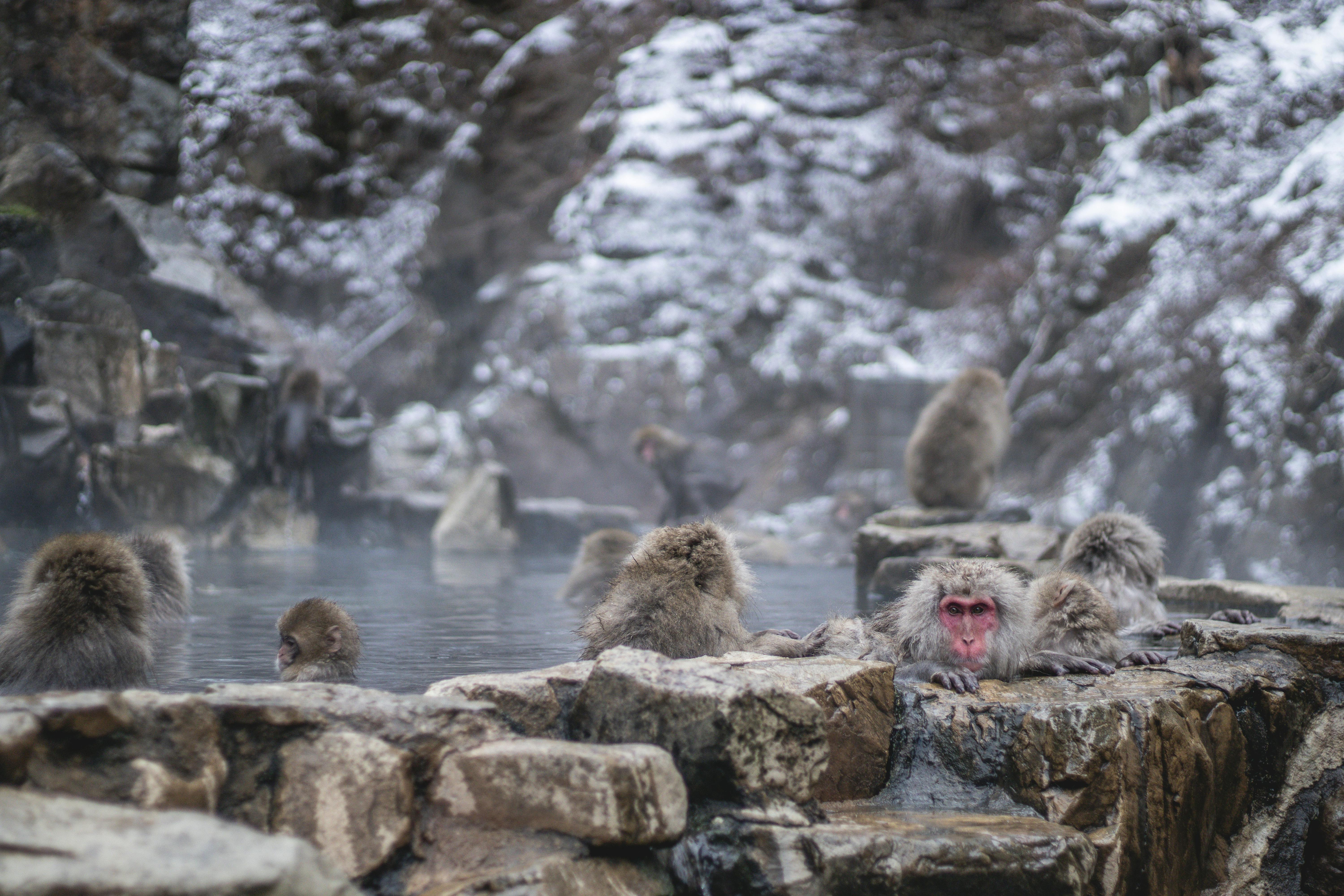
At 8:40 a.m., with 800 yen in my pocket and snow crunching under my boots, I started the 30-minute forest walk to Jigokudani Snow Monkey Park. The trail was icy in shaded sections, and the cedar trees held fresh snow from the night before. Near the end, steam rose from the valley while Japanese macaques sat around the hot spring, their fur damp and their faces almost comically serious. Jigokudani Snow Monkeys are the main reason many travelers come to Yamanouchi, but the visit is more practical than polished. You need proper shoes, patience, and a willingness to share the path with tour groups. The monkeys are wild, not trained performers, so their behavior changes from day to day. Some stay in the pool. Others climb the rocks, groom one another, or ignore visitors completely. That unpredictability is part of the appeal. It also means you should not arrive expecting a perfect postcard scene.
Why Jigokudani Snow Monkeys Matters
Jigokudani Snow Monkey Park offers one of Japan’s most unusual wildlife encounters. Japanese macaques are known for living farther north than any other non-human primate, and the monkeys began using the park’s hot spring regularly in the 1960s. The behavior developed near a local hotel before the park created its own bathing pool, giving visitors a safer and more controlled viewing area.
The park also sits in a region shaped by hot springs, mountain farming, temple visits, and winter sports. Yamanouchi is not simply a day-trip stop. Its towns, especially Shibu Onsen and Yudanaka, have long histories as bath destinations, with small public baths, wooden buildings, and narrow streets that feel very different from large Japanese cities.
The honest criticism is that the park can feel crowded and commercial during peak winter weekends. You may walk for half an hour, pay the entrance fee, and then find dozens of people gathered around a small pool. The monkeys are not guaranteed to bathe, either. Visit early, keep your expectations flexible, and treat the park as a wildlife viewing area rather than an animal show.
The Best Time to Experience Jigokudani Snow Monkeys
The strongest chance of seeing monkeys in the hot spring comes from late December through early March, especially from January 10 to February 28. Daytime temperatures in the valley usually range from -2°C to 5°C, or 28°F to 41°F, while mornings can fall below -5°C, or 23°F. Snow makes the setting memorable, but the trail can become slippery and muddy.
December 15 to January 9: Expect cold weather, with temperatures around -1°C to 7°C, or 30°F to 45°F. Snow cover varies, so conditions can change quickly.
January 10 to February 28: This is the most reliable winter window. Snow is common, but crowds are also heavier, particularly between 10:30 a.m. and 2 p.m.
March 1 to April 15: Temperatures generally sit between 2°C and 12°C, or 36°F to 54°F. The monkeys may still use the pool, while the lower trail becomes wetter.
May 1 to June 30: The valley is greener and quieter, with temperatures around 12°C to 24°C, or 54°F to 75°F. The monkeys are less likely to bathe, so this period suits travelers interested in the forest and surrounding towns.
Arrive between 8:30 and 9:30 a.m. in winter. You will avoid some tour buses and get softer light for photographs. Check local weather before leaving Yudanaka because heavy snow can slow buses and make the walking route take much longer.
Approximate Budget for a 7-Day Trip to Jigokudani Snow Monkeys
These estimates assume seven days based in Nagano and Yamanouchi, with a mix of mid-range accommodation, public transport, casual restaurants, and several paid attractions. International flights are not included.
- Accommodation: ¥63,000 to ¥126,000 for six nights in business hotels, guesthouses, or a modest ryokan. A traditional inn with dinner and breakfast can cost much more.
- Food: ¥35,000 to ¥56,000 for convenience-store breakfasts, noodle lunches, local restaurants, and a few better dinners.
- Transport: ¥18,000 to ¥30,000 for trains, buses, local transfers, and the return journey between Nagano and Yamanouchi.
- Attractions: ¥8,000 to ¥15,000 for Jigokudani Snow Monkey Park, temple visits, museums, and optional hot spring experiences.
- Miscellaneous: ¥10,000 to ¥18,000 for lockers, drinks, snacks, souvenirs, and small entry charges.
Estimated total: ¥134,000 to ¥245,000 per person for seven days.
The overpriced item is often a full-course ryokan stay booked at the last minute. It can be excellent, but not every meal justifies the price. A guesthouse in Yudanaka combined with one carefully chosen ryokan dinner usually offers better value. Taxis are another expense to watch. Use the local bus for the main route and save taxis for late arrivals, heavy luggage, or poor weather.
Essential Jigokudani Snow Monkeys Experiences
- Walk the forest trail to the park: The approach takes about 25 to 40 minutes from the parking area. Wear shoes with real grip, not smooth city sneakers.
- Watch the monkeys at the hot spring: Spend at least 30 minutes observing their social behavior. The best moments are often grooming, feeding, or playful disputes rather than bathing.
- Stay in Shibu Onsen: Book a night in the old hot spring town and walk its narrow lanes after the day visitors leave.
- Visit Zenkoji Temple in Nagano: This important Buddhist temple makes a useful contrast to the wildlife park and is easy to reach from Nagano Station.
- Try a local onsen: Follow bathing etiquette, wash before entering, and keep towels out of the water. Tattoo policies vary, so ask before booking.
- Eat oyaki and soba: Oyaki dumplings filled with vegetables are inexpensive and practical for a cold travel day. Local soba is another reliable choice.
- Skip the park if heavy rain is forecast: The monkeys may still be present, but the trail becomes slick, visibility drops, and the experience is less comfortable for young children.
Hidden Gems Most Travelers Miss
- Oyu Street in Shibu Onsen: Visit early or after dinner to see the town’s old wooden facades without the main daytime crowds.
- Shibu Onsen public bath circuit: Guests staying at participating inns can often borrow a key to visit the traditional public baths.
- Shiga Kogen Roman Museum: A small local museum with artwork and regional history, useful on a rainy afternoon.
- Heiwa Kannon: This large white statue above Yudanaka provides a quiet viewpoint over the valley.
- Hokusai Museum in Obuse: A good half-day trip for visitors interested in Japanese woodblock prints and local history.
- Shiga Kogen mountain roads: In warmer months, the highland area offers walking routes and cooler temperatures.
- Jigokudani itself at midday: Many travelers assume this is the ideal time, but it is often the most crowded and overrated part of the visit. Early morning is usually better.
Cultural & Practical Tips
- Keep your distance: Never touch, feed, call to, or show food to the monkeys. They are wild animals with strong teeth.
- Protect your phone: Monkeys sometimes approach bags and loose objects. Keep zippers closed and avoid holding food near the viewing area.
- Wear proper footwear: Snow boots or hiking shoes with traction are useful in winter. The final trail section can be muddy in spring.
- Carry cash: Small shops, lockers, rural buses, and some restaurants may not accept foreign cards.
- Do not block the path: Tour groups move through narrow sections quickly. Step aside before stopping for photographs.
- Respect onsen customs: Wash thoroughly before entering a communal bath and keep towels, phones, and cameras outside the water.
- Avoid the wrong train assumption: Not every Nagano-area train goes directly to Yudanaka. Check the destination board and allow extra time for transfers.
Essential Visitor Information for Jigokudani Snow Monkeys
Location & Access: Jigokudani Yaen-Koen, 6845 Hirao, Yamanouchi, Shimotakai District, Nagano 381-0401, Japan. Approximate GPS: 36.7327, 138.4625. The park is about 45 km from Nagano Station. From Nagano, take the Nagano Dentetsu train to Yudanaka, continue by local bus or taxi toward Kanbayashi Onsen, then walk about 30 minutes. A direct express bus from Nagano to the Kanbayashi area is another option. Driving is possible, but the final access road and winter parking can be inconvenient.
Tickets & Booking: Admission is approximately ¥800 for adults and ¥400 for children. Prices can change. Advance booking is generally not required, although buying a ticket online or arriving early can reduce waiting during busy winter periods.
Operating Hours: The park typically opens from 8:30 a.m. to 5 p.m. from April through October, and from 9 a.m. to 4 p.m. from November through March. Last entry is usually before closing. Snow, storms, or trail conditions can cause temporary changes.
Visit Duration: Allow a minimum of two hours, including the forest walk. Three to four hours gives you time to watch the monkeys, take photographs, and return without rushing.
Family Suitability: Children can enjoy the park, but the walk is not ideal for very young toddlers in deep snow. Stroller access is poor on the forest trail. Baby carriers are more practical. Toilets are available near the entrance, while food and drink options are limited inside the park.
Timing: January through February offers the best snow conditions and strongest chance of seeing monkeys in the pool. Arrive before 9:30 a.m. for a quieter visit. Late afternoon can also work, but winter daylight fades quickly.
Highlights: The hot spring pool, the forest approach trail, the viewing area near the main pool, and the surrounding Kanbayashi Onsen landscape are the key sights.
Nearby & Day Trip: Shibu Onsen, Yudanaka Onsen, Zenkoji Temple, and Obuse are practical additions. A visit to the monkey park works well as a half-day trip from Nagano, while Shibu Onsen and Obuse are better combined with an overnight stay or a carefully planned full day.
Conclusion: Travel with Respect, Not Just a Photograph
Jigokudani Snow Monkeys reward travelers who slow down and watch carefully. The memorable part is not simply seeing a monkey in a hot spring. It is noticing the hierarchy of the group, the quiet grooming, the sudden arguments, and the way the animals ignore the crowd when they choose. The visit also opens the door to Yamanouchi’s baths, food, temples, and mountain towns. Go early, wear shoes suited to snow, and leave extra time for transport. If you can stay overnight, do it. The area feels more rewarding once the day visitors have gone home.
Comments
Post a Comment