
Kushiro Marsh Cranes: Where Ancient Dancers Meet Japan's Wild Wetlands
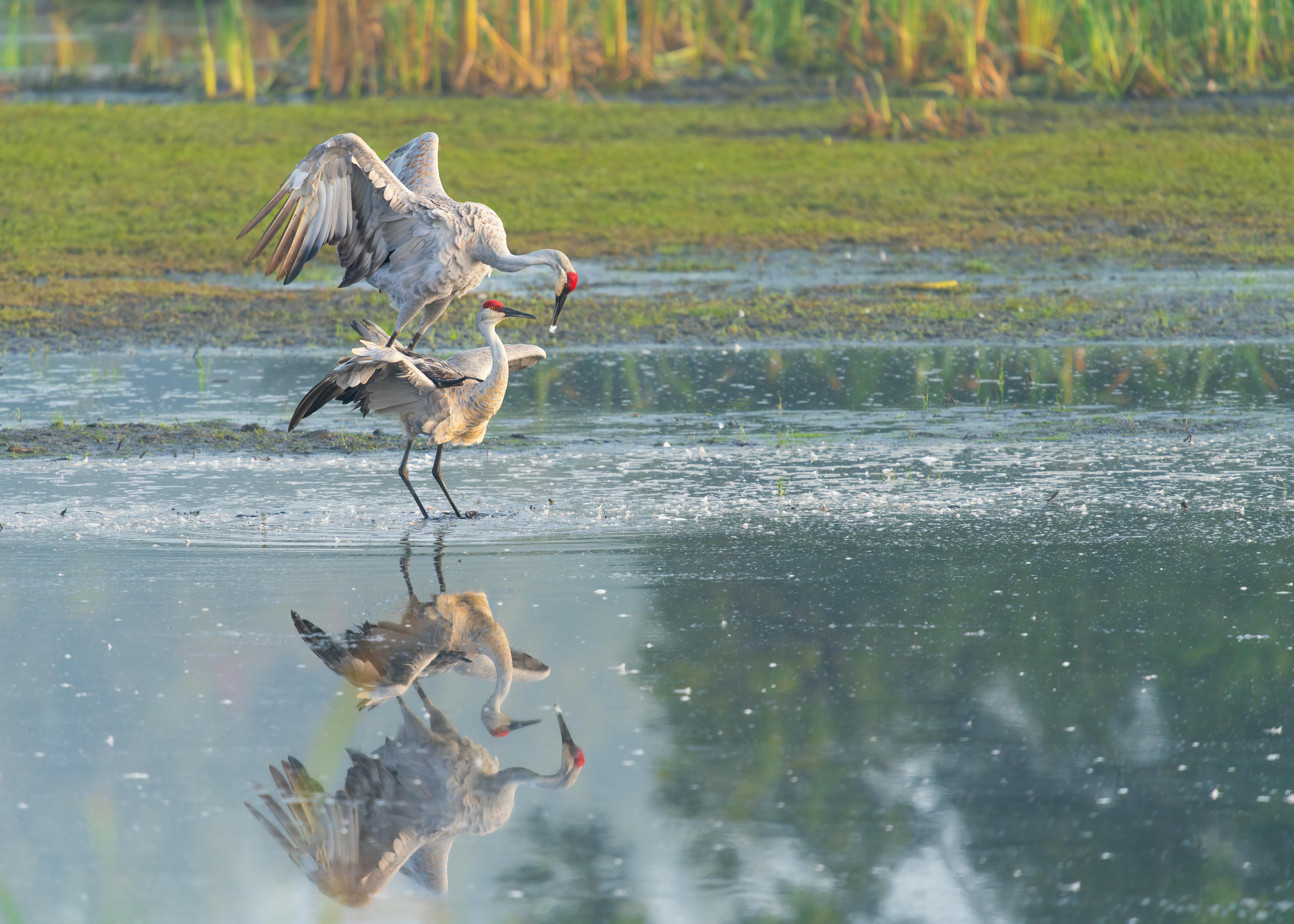
The first call cuts through the frozen dawn at 6:15 AM—a resonant, otherworldly trumpet that seems too primal for this modern world. Then another answers. Then a dozen. By 6:30, the tancho have begun their morning ballet: pairs bowing deeply, then leaping with wings spread wide against the pale winter sky, their crimson caps the only warm color in a landscape of white and grey . This is Kushiro Marsh—Japan's largest wetland, spanning approximately 28,000 hectares of protected wilderness . Here, on the coldest mornings of January and February, you witness a conservation miracle: the red-crowned crane, pulled back from the brink of extinction from a mere 33 individuals in the 1920s to nearly 1,800 today . The cranes dance not for you, but for each other—elaborate courtship rituals that have unfolded on these marshes for millennia. You are merely a guest to their ancient performance.
Why the Kushiro Marsh Cranes Embody Conservation Triumph
The problem the Kushiro cranes solved was existential. By the early 20th century, overhunting and habitat destruction had pushed Japan's revered "bird of happiness" to the edge of oblivion on the main island of Honshū . Then, in 1926, a miracle in the marshes: approximately 20 birds were discovered surviving in the Kushiro wetlands . These became the foundation population for one of the world's most remarkable conservation success stories. In 1952, concerned locals began winter feeding—a practice that continues today across 23 feeding grounds in the region . Each year from November through March, sanctuary staff at the Tsurui-Ito Tancho Sanctuary scatter feed twice daily at 9:00 AM and 2:00 PM, concentrating up to 300 cranes in accessible viewing areas during peak winter . By 2004, the population had reached 1,000; by 2016, it stood at 1,800 . Today, members of the Red-Crowned Crane Conservancy still gather at feeding sites each January and February—in temperatures plunging below -20°C (-4°F)—to click counters and track the health of this reborn species .
The Best Time to Experience the Kushiro Marsh Cranes
For the iconic "cranes in the snow" photographs, timing is everything. The winter feeding season runs from late November through mid-March, but the peak period for both crane numbers and photographic conditions is late January through February . This window offers the coldest temperatures—average highs of 0–1°C (31–34°F) and overnight lows near -9°C (15°F), though January and February mornings can plunge to -15°C to -20°C (5°F to -4°F) . For the classic "steam-fog" images of cranes roosting along the Setsuri River beneath Otowa Bridge, arrive pre-dawn (approximately 6:00–7:00 AM) on the coldest mornings of January and February when the river's warmer water creates mist against frigid air . Avoid May through October, when cranes disperse widely across the marsh to breed, making sightings sporadic and distant . For bird photographers, the best light occurs within the first hour after sunrise (approximately 6:30–7:30 AM in February). Official resources: www.kushiro-shitsugen.jp and www.japan.travel/national-parks/parks/kushiroshitsugen/ .
Approximate Budget for a 7-Day Kushiro Region Trip
This budget assumes moderate travel during winter (February, crane-watching season) excluding international flights. Prices in Japanese Yen (¥) with USD equivalents at ¥150 = $1.
- Accommodation: ¥8,000–¥25,000 per night ($53–$167) — Kushiro city business hotels (¥8,000–¥12,000) or Tsurui Village's Tsuruimura Shitsugen Onsen Hotel (¥19,000–¥25,000 for two people) . Guesthouse Crane in Kushiro offers budget single/dormitory options from approximately ¥5,000–¥8,000
- Food: ¥3,500–¥6,500 per day ($23–$43) — Breakfast ¥500–¥1,000 (konbini or hotel), Lunch ¥1,000–¥2,000 (Washo Market's katte-don — DIY seafood rice bowl), Dinner ¥2,000–¥3,500 (Kushiro ramen or robatayaki grilled seafood)
- Transportation: ¥2,500–¥6,000 per day — Rental car essential (¥5,000–¥7,000/day, split among 2–4 people reduces cost). Kushiro Airport to city: bus ¥940 (35 minutes). Local buses to Tsurui Village: approximately ¥1,000–¥1,500 one-way, but schedules are limited (2–3 daily)
- Attractions: Tsurui-Ito Tancho Sanctuary: free (donations appreciated); Akan International Crane Center (GRUS): ¥500; Kushiro Marsh Norokko sightseeing train (seasonal, January–March and May–October): approximately ¥2,000 ; Canoe tour (summer): ¥5,000–¥8,000; Hosooka Observatory: free
- Miscellaneous: Crane-themed souvenirs (postcards, plush, local crafts) ¥500–¥3,000; Hand/foot warmers (kairo) ¥200 each (buy 10–20); Binocular rental ¥1,000/day; Telephoto lens rental (if not carrying) ¥2,000–¥3,000/day
Total estimated for 7 days: ¥75,000–¥175,000 ($500–$1,170) excluding international flights. Budget travelers staying in Kushiro city guesthouses and renting a shared car can reduce to approximately ¥65,000–¥90,000 ($430–$600).
7 Essential Kushiro Marsh Crane Experiences
- Tsurui-Ito Tancho Sanctuary Morning Feeding (9:00 AM, November–March): Operated by the Wild Bird Society of Japan, this sanctuary features a heated nature center overlooking the winter feeding grounds . Arrive by 8:30 AM to claim a window spot. When staff scatter feed at precisely 9:00 AM, up to 300 cranes descend into the snow-covered field . The observation room has floor-to-ceiling windows—perfect for cold days when you need to warm camera batteries between shots.
- Otowa Bridge Pre-Dawn Steam Fog Photography (January–February only): On the coldest mornings (temperatures below -10°C / 14°F), cranes roost overnight on the Setsuri River beneath Otowa Bridge, just 5 minutes from the sanctuary. Arrive at least 30 minutes before sunrise (approximately 5:30–6:00 AM). The river's relatively warmer water creates rising steam against the bitter air, while the cranes' silhouettes and calls emerge from the mist . This is an entirely free, self-directed experience—no entry fee, no crowds, just you and the birds in one of Japan's finest wildlife photography locations.
- Akan International Crane Center (GRUS) Indoor Viewing (¥500, Year-Round): Located approximately 10 minutes from the Tsurui-Ito Sanctuary, this facility offers an enclosed observation area for extreme winter days . The center also features a small museum explaining crane biology and conservation history. The feeding schedule here mirrors the sanctuary's—approximately 9:00 AM and 2:00 PM. The indoor setting allows photography即使 when weather prevents outdoor standing.
- Hosooka Observatory Panoramic Marsh View (Free, Year-Round): From this elevated viewing platform, you'll understand the scale of Kushiro Marsh—Japan's largest wetland stretching nearly 28,000 hectares . In winter, the frozen marshlands stretch white to the horizon, with the winding Kushiro River cutting a dark ribbon through snow. Cranes appear as distant white dots against the landscape. The visitor lounge offers warmth and basic refreshments . Accessible by car; the final approach road is narrow and can be slippery in winter—drive cautiously.
- Onnenai Visitor Center Bird's-Eye Views (Free, Open 9:00–17:00 April–October, 9:00–16:00 November–March): Located in Tsurui Village, this visitor center offers multilingual staff (English, Chinese, Korean) and excellent introductory exhibits . From the observation deck, you can scan smaller wetlands adjacent to the center where cranes sometimes feed if the main sanctuaries are crowded. Closed Tuesdays and New Year's holidays .
- Kushiro Marsh Norokko Train (Seasonal, Approximately ¥2,000): This retro tourist train operates on limited schedules—typically January–March (winter crane-watching service) and May–October (summer/autumn scenery) . The slow-moving diesel locomotive allows window photography of wetlands without disturbing wildlife. Reservations are required and should be made at least one week in advance through JR Hokkaido .
- Kushiro City Washo Market Katte-don (Lunch Experience, Approximately ¥1,500–¥2,500): After morning crane photography, drive back to Kushiro City (approximately 40 minutes) for a uniquely interactive meal. At Washo Market, you buy a bowl of rice (¥200), then walk from stall to stall selecting fresh toppings: Hokkaido sea urchin, salmon roe (ikura), crab, scallops, and of course,当地 specialties . Each stall owner prices their toppings individually—mix and match to your budget. This is凌驾于 "DIY seafood bowl" and is a beloved local institution.
3 Hidden Gems Most Travelers Miss
- Onnenai Boardwalk Hidden Beaver Pond (Free, June–October): Most visitors stop at the Onnenai Visitor Center and leave, missing the 1-kilometer boardwalk trail that loops through marsh forest to a pond where Eurasian beavers have built dams. In early morning (6:00–7:00 AM, summer only), you may spot Ezo deer drinking at the water's edge. The boardwalk is wheelchair accessible and has interpretive signs in English. Access: From the visitor center parking lot, follow signs for "Onnenai-shitsugen Course" .
- Shitsugen-no-Yakata Local History Museum (Approximately ¥300): Tucked away near JR Kushiro Shitsugen Station, this small museum houses photographs and artifacts from the early conservation movement. The most moving exhibit: hand-written feeding logs from 1952, showing how local farmers began putting out corn for the cranes when starvation threatened surviving birds. Staff speak limited English but will enthusiastically show you before-and-after population charts. Closed Mondays .
- Kottaro Observatory Sunset Platform (Free, Year-Round): While everyone flocks to Hosooka Observatory, the smaller Kottaro Observatory (10 minutes further by car) offers an unobstructed western view over the marsh's most remote section. On clear winter afternoons (3:00–4:00 PM, February), the setting sun illuminates the Daisetsuzan mountain range on the horizon, while cranes sometimes fly across the golden sky returning to their roosts. The parking lot holds only five cars—arrive at least one hour before sunset to secure a spot .
Cultural & Practical Tips
- Winter survival gear is non-negotiable: Dress in layers: thermal base, mid-layer fleece, insulated parka, windproof shell, insulated waterproof boots, wool socks, thermal hat, neck gaiter, and THIN liner gloves under INSULATED gloves . Hand warmers (kairo, ¥200 each at any konbini) go in gloves, boots, and pockets. Expect January/February lows of -15°C to -20°C (5°F to -4°F) .
- Camera battery management in extreme cold: Cold drains lithium-ion batteries in minutes. Keep spare batteries in an inside jacket pocket against your body heat. Rotate batteries frequently. When returning to your car, store camera gear in a closed bag before entering—rapid temperature changes cause lens condensation. A 70–200mm lens is the minimum for crane photography; 400mm or longer is ideal .
- Access and transportation reality: Kushiro is remote—approximately 4 hours on the JR Limited Express from Sapporo (¥8,000–¥9,000) or 90 minutes by air from Tokyo Haneda (¥15,000–¥25,000). Rental cars are STRONGLY recommended—public buses to Tsurui Village run only 2–3 times daily . Rent from Kushiro Airport or Kushiro Station. Book 1–2 months in advance for winter.
- Photography etiquette at feeding sites: NO flash photography at any feeding station—it frightens cranes and may cause them to abandon the site . Stay behind ropes and barriers—entering feeding areas disturbs the birds. Keep voices low. Tripods are allowed but be mindful of other photographers. The best window for crane dancing (courtship behavior) is January through March .
- Local phrases for birdwatchers: "Tancho wa doko desu ka?" (タンチョウはどこですか) — "Where are the red-crowned cranes?" Pronounced tahn-choh wah doh-koh dess kah? "Arigato gozaimasu, kaimamotte kudasai" (ありがとうございます, 見守ってください) — "Thank you, please keep watching over them" (to conservation staff).
- Cash preparedness: Many smaller attractions (Tsurui-Ito Tancho Sanctuary donation box, local lunch spots, roadside farm stands) accept ONLY cash. ATMs are available at Kushiro Station (7:00–23:00) and Seicomart convenience stores, but not near the marsh itself. Budget ¥5,000–¥10,000 in cash per person for crane-viewing days.
Conclusion: Travel with Reverence, Not Just the Photograph
The red-crowned crane carries weight in Japanese culture that Western travelers often miss. Tancho appears on the 1,000-yen note. Their image graces wedding kimonos. A crane is said to live 1,000 years—a symbol of longevity, fidelity, and good fortune. But standing in knee-deep snow at 6:00 AM, watching a pair bow and leap across the frozen marsh, those cultural meanings dissolve into something more primal. These birds nearly vanished—not through malice, but through neglect. That they return each winter to these same fields testifies not to their resilience alone, but to human choice: the choice to feed, to protect, to count, to care. When you leave Kushiro, you'll carry photographs of cranes against snow. But carry also this: conservation works. Small actions accumulate. And the "bird of happiness" survives because someone, decades ago, refused to let it go.