
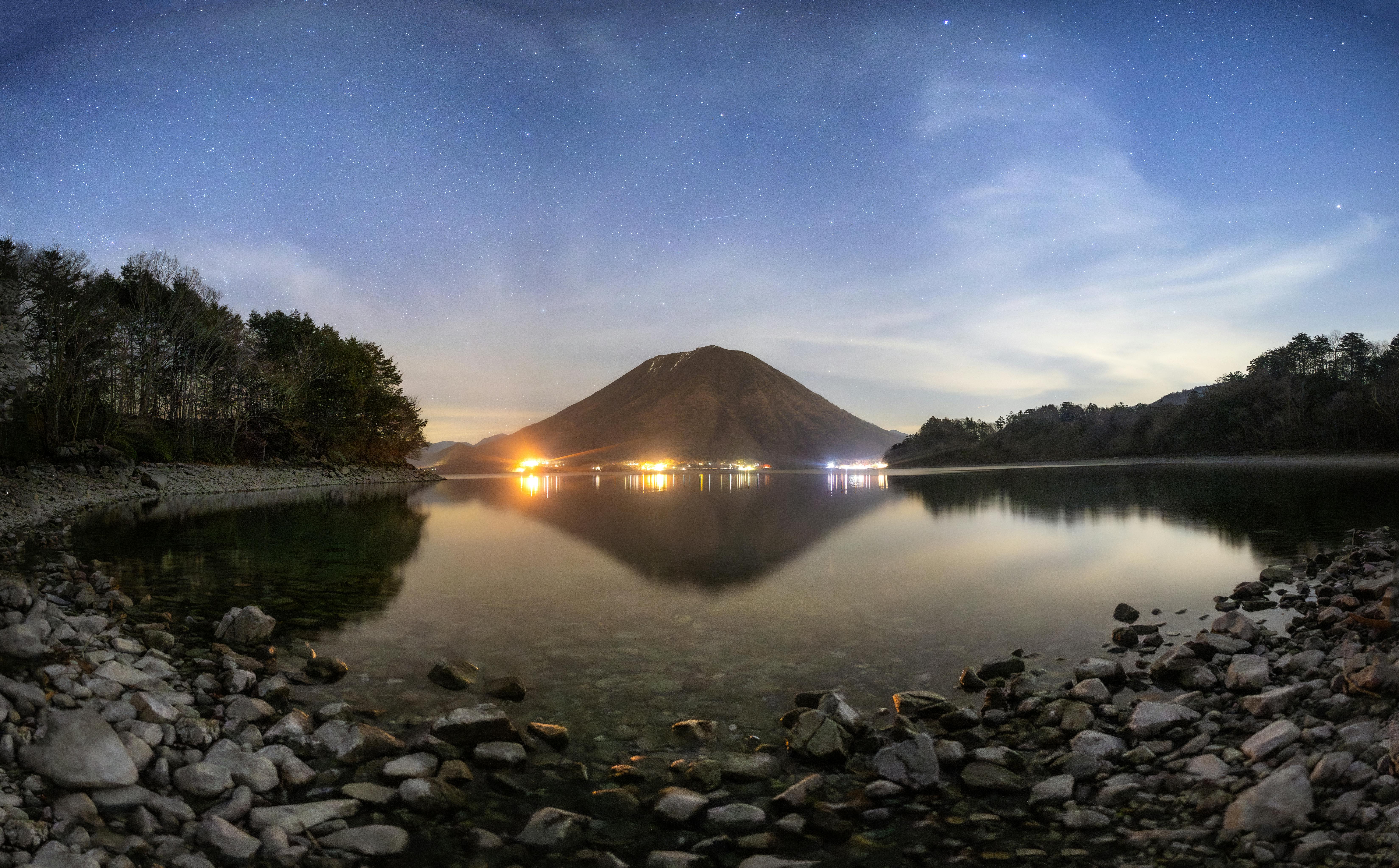
Lake Chuzenji: Where Volcanic Majesty Meets Alpine Serenity
The bus climbs through 48 hairpin turns of the Irohazaka Winding Road, each switchback revealing a higher slice of autumn gold or summer green. At 1,269 meters (4,163 feet) above sea level, you emerge from the forest tunnel to find a lake so still and blue that it seems painted onto the canvas of Mount Nantai. This is Lake Chuzenji—a 25-kilometer (15.5-mile) circumference of volcanic-born water, created approximately 20,000 years ago when an eruption of Mount Nantai blocked the valley below. At 7:30 AM, before the tour boats begin their hourly circuits, you stand at the eastern shore in the hot spring town of Chuzenji Onsen. The only sounds are the distant roar of Kegon Falls—where the lake's water plunges 97 meters (318 feet) over a cliff—and the soft lapping of waves against volcanic stone. This is not merely a lake. This is the sacred heart of Nikko National Park, a place where Shinto mountain worship, 20,000 years of geology, and the quest for highland cool have converged.
Why Lake Chuzenji Embodies Japan's Volcanic Lake Majesty
To float on the surface of Lake Chuzenji is to rest upon a geological wonder. The lake sits directly at the foot of Mount Nantai—a perfectly conical stratovolcano standing 2,486 meters (8,156 feet) high, considered one of Japan's most sacred peaks and the object of worship at Futarasan Shrine. The eruption that created the lake deposited a massive lava flow that dammed the Daiya River, forming a natural barrier that has held for twenty millennia. At a maximum depth of 163 meters (535 feet), Chuzenji ranks among Japan's deepest natural lakes, its cold, clear waters fed by underground springs and mountain runoff. The lake's name derives from Chuzen-ji, a temple established on its shores in 784 CE by the Buddhist monk Shodo Shonin—the same ascetic who first opened the mountains of Nikko to worship. For centuries, the lake was considered a sacred entity itself, accessible only to monks and imperial emissaries. The problem it solved for later generations was purely climatic: during Japan's notorious summers, the 1,269-meter elevation keeps temperatures a full 8-10°C (14-18°F) cooler than Tokyo. Today, the lake serves as both a spiritual touchstone and a natural air conditioner for the nation, forming the centerpiece of Nikko National Park—one of Japan's first national parks.
The Best Time to Experience Lake Chuzenji
The lake transforms violently with the seasons, offering distinct windows for different travelers. For autumn foliage (koyo), the prime window is October 15th through November 10th, when maples, beeches, oaks, and lacquer trees around the shoreline turn brilliant shades of crimson and gold. During this peak, temperatures average 14°C (57°F) during the day and 4°C (39°F) in the evening. The "maple tunnel" of Irohazaka Road—the 48-curve ascent to the lake—is at its most spectacular from mid-October to early November. For summer escape, July 15th through August 15th offers relief from Japan's lowland heat, with daytime highs of 23°C (73°F) and evening lows of 14°C (57°F). The best time for photography is 6:00–7:30 AM, when Mount Nantai's reflection is sharpest on the windless lake. Avoid weekends in October—autumn traffic on Irohazaka can cause two- to three-hour delays. Also avoid late December through February unless you specifically want winter ice formations, as temperatures drop to -6°C (21°F) and many facilities have reduced hours. .
Approximate Budget for a 7-Day Trip (2 nights near Lake Chuzenji)
Lake Chuzenji sits in Oku-Nikko, about 45-50 minutes by bus from central Nikko. This budget assumes a 2-night stay at a lakeside or forest hotel, plus access from Tokyo. All prices in Japanese Yen (¥) with approximate USD equivalents (¥150 = $1 USD).
- Accommodation: ¥15,000–¥90,000 per night ($100–$600 USD). Budget: Chuzenji Onsen area guesthouses (from ¥15,000 pp). Mid-range: Lakeside hotels with onsen (¥30,000–¥50,000 pp). Luxury: The Ritz-Carlton, Nikko (from ¥90,000+ pp, $600+ USD). Day-use onsen bathing available at many hotels for ¥800–¥1,500.
- Food: ¥4,000–¥8,000 ($27–$53) per day. Breakfast: ¥1,000–¥1,800 (ryokan breakfast or café set). Lunch: ¥1,500–¥2,500 (yuba soba—tofu skin buckwheat noodles—or curry rice from lakeside cafés). Dinner: ¥2,500–¥4,500 (izakaya or restaurant near Chuzenji Onsen). Local specialties: yuba (tofu skin) and fresh rainbow trout from the lake.
- Transportation from Tokyo (round trip): ¥6,400–¥8,600 ($43–$57). Tobu Limited Express from Asakusa to Tobu-Nikko Station (2 hours, ¥2,400–¥2,800 one way). To Lake Chuzenji: Tobu Bus from Tobu-Nikko Station to Chuzenji Onsen (45-50 minutes, ¥1,250 one way). A 2-day Nikko Pass covering World Heritage area and Oku-Nikko is ¥2,300–¥4,600—highly recommended.
- Attractions: ¥2,650–¥3,350 ($18–$22). Kegon Falls elevator and lower observation deck: ¥570. Lake Chuzenji sightseeing cruise: approximately ¥1,850. Lower observation deck offers a more impressive experience. Free viewing available at the upper deck.
- Miscellaneous: ¥2,000–¥4,000 ($13–$27). Rental rowboat (¥1,000–¥2,000 per hour). Soft-serve ice cream from lakeside stand (¥400). Postcards and local crafts from souvenir shops.
- Total (per person, 2 nights / 7 days mixed): ¥58,000 – ¥218,000 ($387 – $1,453 USD) depending primarily on accommodation choice.
7 Essential Lake Chuzenji Experiences
- Ride the Sightseeing Cruise at First Light: Arrive at the Chuzenji Onsen boat pier for the first departure. The cruise circles the 25-kilometer shoreline, passing the northern inlet where the Yukawa River enters the lake. On clear mornings, Mount Nantai's reflection shatters across the bow wake. The upper open deck is best for photography; indoor seating is heated in autumn.
- Stand Before Kegon Falls at the Base Elevator: From the lake's eastern edge, follow the roar to Kegon Falls—one of Japan's three great waterfalls, where Lake Chuzenji's water plunges 97 meters (318 feet) in a single, thundering drop. Pay ¥570 to take the elevator down 100 meters to the base observation deck. The mist hits your face before you see the falls; the spray creates rainbows on sunny mornings. The viewpoint below is far more impressive than the free upper deck. Designated as a National Scenic Spot in 1931. Hours: March–April 8:00 AM–5:00 PM; May–September 7:30 AM–6:00 PM; October 7:30 AM–5:00 PM; December–February 9:00 AM–4:30 PM.
- Climb Mount Nantai's Sacred Summit: For experienced hikers, the trail to the summit of Mount Nantai (2,486 meters / 8,156 feet) begins near the western shore. The climb takes 4–5 hours one way and involves steep, rocky sections requiring both hands. The reward: a 360-degree view of Lake Chuzenji, the surrounding peaks, and on clear days, the Pacific Ocean. The volcano is sacred to Futarasan Shrine, and a small shrine sits at the crater's edge. Open late May through October only; check conditions at the Nikko Tourist Information Center before attempting.
- Walk the Lakeside Trail for Solitude: The lakeside trails near the Chuzenji Onsen area are quiet and winding, perfect for a leisurely stroll. Sit on a bench to daydream, watch wild birds swim, or gaze at the mountains and shimmering lake. Time seems to stand still here, especially in the early morning before tour groups arrive. The trails are accessible year-round, though winter snow may limit access.
- Find Silence at the Lakeside Futarasan Shrine Branch: Most visitors miss the serene lakeside location of Futarasan Shrine—a completely different, peaceful side of Nikko. This shrine, located on the eastern shore, enshrines the mountain deities of the Nikko region. The reflection of the vermilion structure in the blue lake water creates a quintessential Japanese scene. Unlike the bustling Toshogu Shrine, this branch sees few tourists, offering genuine tranquility.
- Drive or Bus the Irohazaka Maple Tunnel at Peak Autumn: The Irohazaka Winding Road—actually two separate one-way roads with 48 curves between central Nikko and Lake Chuzenji—is named after the 48-syllable classical Japanese poem. From mid-October to early November, the maples lining both roads turn a fiery red that feels almost artificial. The best experience: take the bus up for the driver's view. Warning: on October weekends, traffic can stop completely. Go on a weekday or arrive before 8:00 AM.
- Soak in an Onsen Overlooking the Lake: The town of Chuzenji Onsen sits at the lake's eastern edge, and several ryokan and hotels open their baths to day visitors. The water varies by source—some sulfurous, some clear. Day-use onsen fees range from ¥800–¥1,500. The experience: sinking into 40°C (104°F) water while the last light reflects off Mount Nantai's slopes.
3 Hidden Gems Most Travelers Miss
- Ryuzu Falls (Dragon Head Falls) at the Lake's North End: Everyone visits Kegon Falls, but few make the trip to Ryuzu Falls, where the Yukawa River splits around a volcanic rock formation before tumbling down. The falls' twin streams resemble a dragon's two horns, giving the cascade its name. In late October, the surrounding beech and maple trees create a natural frame of gold and crimson. Access: A short bus ride from Chuzenji Onsen to the Ryuzu Falls bus stop. Requires more time, but offers a less crowded alternative.
- The Akechidaira Ropeway's Panoramic View: Before descending the Irohazaka Road back to central Nikko, stop at the Akechidaira Ropeway. The 3-minute cable car climbs to an observation deck at 1,474 meters (4,836 feet). From here, you see the entire Lake Chuzenji basin, Kegon Falls, and the snaking Irohazaka Road all in one frame—the classic Nikko postcard view. Go before 10:00 AM or after 2:00 PM to avoid the tour bus crowds. Fog often rolls in after 1:00 PM, so prioritize this viewpoint early.
- Senjogahara Marshland Hike: Just north of the lake, the Senjogahara Plateau offers a stunning boardwalk hike through marshland with views of Mount Nantai. The trail is approximately 6-8 kilometers and takes 2–3 hours, passing through diverse ecosystems and offering birdwatching opportunities. In summer, delicate cotton grasses and prickly thistles dot the landscape; in autumn, the marshland turns golden. Access: Take the bus toward Yumoto Onsen and get off at the Senjogahara trailhead.
Cultural & Practical Tips
- Buy the Nikko Pass Before You Go: The Nikko Pass covers bus routes from Nikko Station to Lake Chuzenji and all local bus routes in the Oku-Nikko area. Without it, the one-way bus alone costs ¥1,250. The pass pays for itself after one round trip. Purchase at Tobu-Nikko Station or online before departure.
- Traffic on Irohazaka Is Not a Joke in Autumn: In October, the 45-minute bus ride from Nikko to Lake Chuzenji can stretch to 2–3 hours on weekends and national holidays. To avoid this: (1) Visit on a Tuesday, Wednesday, or Thursday. (2) Take the first bus of the day (around 7:30 AM). (3) Consider staying overnight at the lake—evening and morning calm make up for any daytime delays. Late October to early November is peak season; book hotels at least two months in advance.
- The Elevation is Noticeable—Pace Yourself: At 1,269 meters (4,163 feet), the air is thinner than in Tokyo. Visitors with respiratory conditions or who are unaccustomed to altitude may feel slightly breathless on the hike to Kegon Falls' base or up Mount Nantai. Drink water, walk slowly, and take breaks.
- Temperature Drops at Night—Even in Summer: Lake Chuzenji sits nearly 1,300 meters above sea level. A July afternoon may reach 23°C (73°F), but by 8:00 PM, the temperature can drop to 14°C (57°F). Pack a jacket or fleece even in August. In October, bring a warm coat, hat, and gloves—the evening wind off the lake is biting. Check average weather for your visit month before packing.
- Kegon Falls Hours Vary by Season: The elevator to the lower observation deck operates on a seasonal schedule. March–April and November: 8:00 AM–5:00 PM. May–September: 7:30 AM–6:00 PM. October: 7:30 AM–5:00 PM. December–February: 9:00 AM–4:30 PM. Plan accordingly; the lower deck closes earlier than the free upper viewing area.
- Learn the Local Shrine Phrase: When you pass through a torii gate at Futarasan Shrine, bow once and say "O-jama shimasu" (oh-jah-mah shee-mahs)—"excuse my intrusion." This small Shinto ritual is appreciated by the shrine attendants and connects you to centuries of mountain worship.
- Cash Is Still King by the Lake: The bus pass can be purchased with card at the station, but small lakeside cafés, boat rentals, and several family-run soba shops in Chuzenji Onsen are cash only. Withdraw cash at ATMs in Nikko Station before ascending the mountain—ATMs at the lake itself are limited.
- Autumn Foliage Timing Is Everything: The best viewing period at Lake Chuzenji is mid-October to early November, with maples, beeches, oaks, and katsura trees turning brilliant shades. The foliage starts changing at higher elevations first and works its way down. Check online foliage forecasts before booking your trip, as peak timing varies slightly each year by up to one week.
Conclusion: Travel with Stillness, Not Just Views
You could arrive at Lake Chuzenji at 11:00 AM, take a cruise, photograph Kegon Falls, eat a quick soba lunch, and be back on the bus by 2:30 PM. Many travelers do. But that is to treat a 20,000-year-old volcanic lake as a rest stop. This lake—formed by sacred fire, named for an 8th-century monk, cooled by alpine breezes—asks something different of you. It asks you to sit on the lakeshore and watch the shadows of clouds drift across Mount Nantai's slopes. To wake early enough that your breath fogs in the cold morning air and the only sound is water lapping at volcanic stone. To understand that in a nation famous for bullet trains and neon efficiency, the most profound luxury is an unmoving lake at the foot of a sleeping volcano. Nikko National Park offers pristine nature wherever you go, but only if you take the time to notice it. Travel with stillness, not just camera cards. That is what the mountain gods intended when they blocked the river twenty millennia ago.