
Tateyama Kurobe Alpine Route: Where Japan's Snow Corridor Meets Sacred Peaks
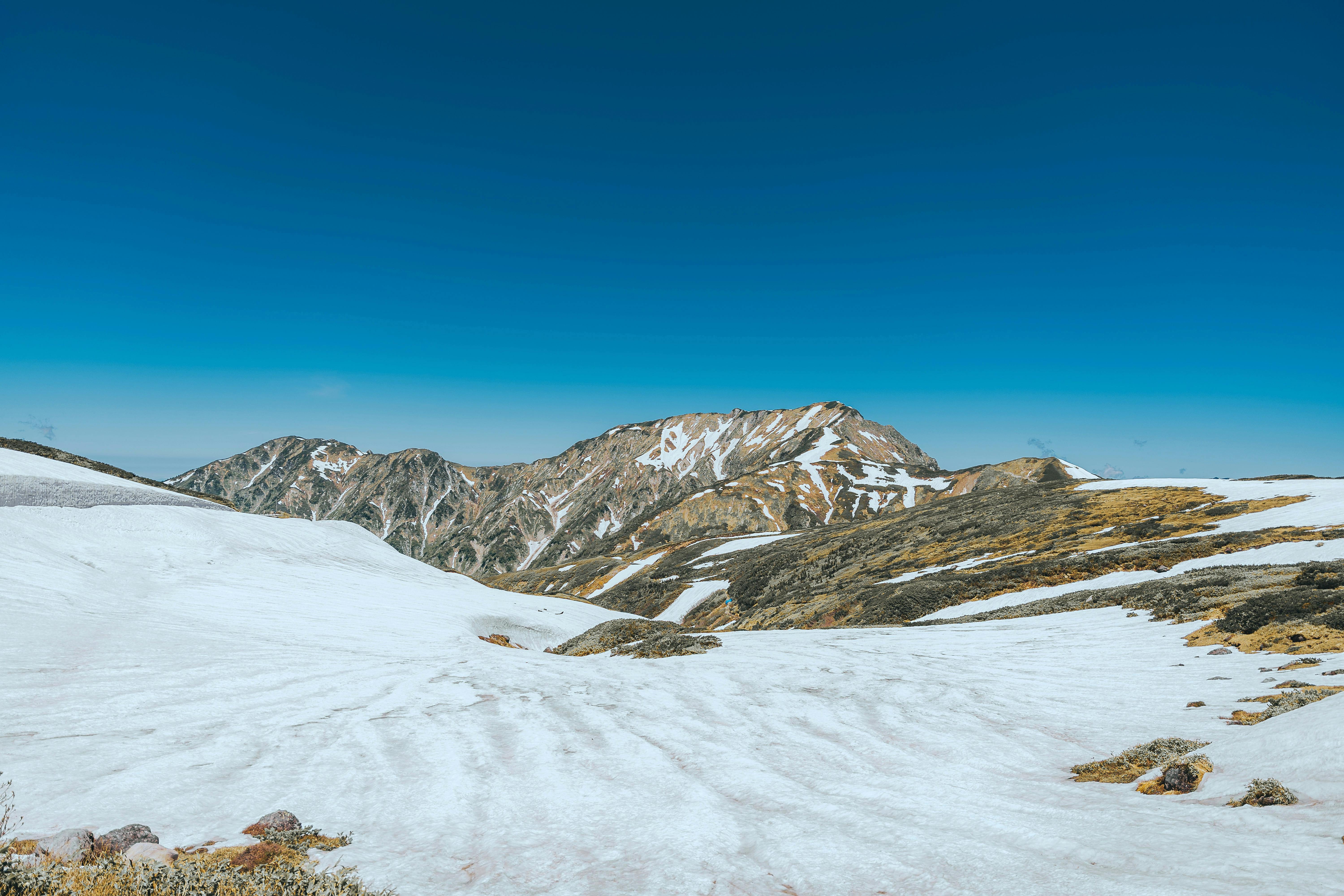
At 2,450 meters above sea level, the air holds an impossible stillness—thin, crystalline, and so cold it feels like breathing liquid glass. It is 9:00 AM on a mid-April morning, and you step off the trolleybus at Murodo, Japan's highest railway station . Before you rise walls of compacted snow, towering 15 to 20 meters (49 to 65 feet) high—nearly six stories of frozen winter carved into a pedestrian corridor stretching 500 meters . The locals call it Yuki no Otani, the Great Valley of Snow, and it exists for just ten weeks each spring before the summer sun reclaims it. This is the Tateyama Kurobe Alpine Route: a 37-kilometer (23-mile) odyssey through Japan's Northern Alps that strings together seven different vehicles—funiculars, cable cars, trolleybuses, and a ropeway—like beads on a necklace of rock and ice . You aren't just crossing a mountain range. You are walking through a season that refuses to surrender.
Why the Tateyama Kurobe Route Embodies Japan's Alpine Soul
Opened on June 1, 1971, the Tateyama Kurobe Alpine Route wasn't conceived as a tourist attraction—it was a engineering necessity . The route follows the spine of the Hida Mountains, peaks that receive over 10 meters (33 feet) of annual snowfall, burying roads and isolating communities for half the year. The solution was audacious: instead of fighting the snow, builders tunneled through it. Today, three transport lines run entirely underground—including Japan's last remaining trolleybus line, an electric fleet that produces zero exhaust fumes inside the 3.7-kilometer (2.3-mile) Tateyama Tunnel . The route climbs 1,975 meters (6,480 feet) from Toyama to Nagano, passing through seven microclimates: from temperate bamboo forests at Bijodaira (977 meters) to the lunar volcanicscape of Jigokudani—"Hell Valley"—where sulphur vents stain the snow yellow and steam rises from the caldera at 80°C (176°F) . This is the "Roof of Japan," and from Murodo on a cloudless day, you can see Mount Fuji, 100 kilometers (62 miles) distant .
The Best Time to Experience the Alpine Route
The route operates for just 7.5 months annually, from April 15 to November 30 . For the iconic Snow Wall—technically a avalanche-protection corridor—target April 15–June 15, when walls reach their maximum height. Expect temperatures of -5°C to 10°C (23°F to 50°F) at Murodo; morning visits (8:00–10:00 AM) offer fewer crowds and clearer light . For alpine wildflowers, visit July 1–August 15 (10°C–20°C / 50°F–68°F), when 200+ species bloom across the Tateyama highlands. Autumn foliage peaks at Kurobe Dam October 10–25, then at Murodo October 5–15—the rare "double autumn" where lower valleys blaze red while summits wear new snow. Avoid mid-August (Japanese Obon holiday) when crowds triple. Do not attempt September–early October for the Snow Wall—it's melted completely. For current conditions, consult: www.alpen-route.com.
Approximate Budget for a 7-Day Trip
This mid-range budget assumes solo travel from Tokyo, using public transport, staying in business hotels, and completing the Alpine Route as a single-day crossing. Prices in Japanese Yen (¥) as of 2026.
- Accommodation: ¥8,000–¥15,000 per night (Toyama or Shinano-Omachi business hotels like Hotel Route Inn from ¥8,000; mountain lodges at Murodo: Hotel Tateyama from ¥26,400 per person including dinner/breakfast) .
- Food: ¥4,000–¥7,000 per day (breakfast ¥500–¥1,000 at hotel or convenience store; lunch ¥1,500–¥2,500 at Murodo's restaurant for katsu curry or soba; dinner ¥2,000–¥4,000 in Toyama featuring shiroebi white shrimp or hotaru ika firefly squid).
- Transportation: Tokyo to Toyama via Hokuriku Shinkansen (Kagayaki service): ¥12,000–¥14,000 one way (2 hours). Alpine Route one-way crossing: ¥10,940 adults, ¥5,480 children (Ogisawa to Tateyama via Murodo) . Nagano to Tokyo via shinkansen (Asama service): ¥8,000–¥9,000 (1 hour 20 minutes). Local buses in Toyama: ¥200–¥500 per ride.
- Attractions: Kurobe Dam viewing deck: free. Tateyama Museum of Toyama: ¥500. Mikurigaike Onsen day bath (if staying elsewhere): ¥1,000 . Optional Snow Corridor walking tour: included in transport fare.
- Miscellaneous: Snow wall photo print: ¥1,000–¥1,500. Raicho (rock ptarmigan) plush toy souvenir: ¥1,200–¥2,000. Coin lockers at Murodo for carry-on bags: ¥300–¥500. Onsen towel rental: ¥200.
Total estimated budget for 7 days (mid-range, round trip from Tokyo including one-day Route crossing): ¥105,000–¥155,000 ($700–$1,035 USD).
7 Essential Tateyama Kurobe Experiences
- Walk the Yuki no Otani Snow Corridor: Disembark at Murodo Terminal and follow the roped path directly into the snow walls. The corridor reaches 15–20 meters (49–65 feet) at its peak in mid-April—touch the compacted snow, notice the layers compressed from 3-meter (10-foot) daily accumulations . Staff clear the path each morning by 9:00 AM; arrive early to photograph the walls before they're shadowed. The walk takes 20 minutes one way, and you'll emerge onto a plateau where Mt. Tate's 3,015-meter (9,892-foot) summit rises directly ahead .
- Cross the Kurobe Dam on foot: Japan's tallest dam, completed in 1964 after 7 years of construction costing 513 billion yen and 171 worker lives . Walk the 492-meter (1,614-foot) crest—a 15-minute crossing—with the reservoir on one side and a 186-meter (610-foot) vertical drop on the other. From late June to mid-October, the dam releases water in 15-minute discharges (typically 10:00 AM–4:00 PM), sending a roaring arc of spray into the gorge below. Feel the mist on your face 50 meters (164 feet) away.
- Soak in Japan's highest onsen at Mikurigaike: At 2,410 meters (7,907 feet), this natural hot spring has warmed pilgrims and mountaineers for centuries . The water emerges from the earth at 55°C (131°F) and cools to a perfect soaking temperature in outdoor baths facing the Mikurigaike Pond. Stay overnight at Mikurigaike Onsen (from ¥12,030) to experience the onsen at 4:30 AM, when the rising sun sets fire to Mt. Tate's snowfields—a ritual called gouraikou, the "coming light." Day visitors can bathe for ¥1,000 (11:00 AM–8:00 PM).
- Ride Japan's only underground funicular: The Kurobe Cable Car plunges through a 36-degree inclined tunnel between Kurobedaira and Kurobeko stations . Unlike surface funiculars, this one offers no views—only the rumble of machinery and the sensation of descending into the mountain's heart. The 800-meter (0.5-mile), 5-minute ride drops 373 meters (1,224 feet) and was originally built to transport construction workers and materials for Kurobe Dam. Sit at the front for the full effect: darkness, then the sudden burst of daylight as you exit beside the dam's reservoir.
- Spot the rock ptarmigan on the Murodo plateau: The raicho (Thunder Bird) is a special natural monument of Japan—one of the few birds that inhabits the alpine zone year-round . Its plumage changes with the seasons: snow-white in winter, mottled brown in summer. Murodo's plateau has one of the highest densities in Japan, with approximately 300 birds in the Tateyama range. Walk the 2-kilometer (1.2-mile) loop from Murodo Terminal to Jigokudani's steam vents between 6:00–8:00 AM when they forage. Stay silent, stay on the boardwalk, and you'll hear their distinctive cackling call before you see them.
- Photograph the double autumn at Daikanbo: From the Daikanbo observation deck (2,316 meters / 7,598 feet), accessed by the Tateyama Tunnel Trolleybus, you see the Alpine Route's most photographed vista: the Tateyama Ropeway's red cable car suspended over a valley that in October turns gold, crimson, and orange. But the "double autumn" occurs when early October snows dust the summit of Mt. Shirouma (2,932 meters / 9,619 feet) while the lower slopes still blaze with fall color . This rare alignment happens most reliably October 5–15. Arrive by 8:00 AM when the sun backlights the peaks from the east.
- Ride the last trolleybus in Japan: The Tateyama Tunnel Trolleybus runs entirely underground between Murodo and Daikanbo—a 3.7-kilometer (2.3-mile) journey through solid granite . It's the last operational trolleybus line in Japan (all others have been replaced by electric buses or diesel), powered by overhead wires strung through the tunnel's concrete arch. The 15-minute ride feels like time travel: the hum of electric motors bouncing off tunnel walls, the faint smell of ozone, the sudden switchback that reveals the ropeway terminal hovering on the mountain's edge. Sit on the right side for the brief, dazzling view of the valley when the tunnel exits at Daikanbo.
3 Hidden Gems Most Travelers Miss
- The Abandoned Tateyama Cable Car Power Station: At Bijodaira Station (977 meters), where most tourists transfer immediately from cable car to bus, there's an unmarked door near the ticket gate. Behind it lies the original 1927 power station for the Tateyama Cable Car—a brick cathedral of rusting turbines, copper conduits, and a 1917 GE generator shipped from New York. Access is by appointment only (contact Tateyama Kurobe Kanko at 076-432-2819 at least 2 weeks in advance); they offer occasional English tours on Fridays at 1:00 PM for ¥1,000. The station stopped operating in 2001, and the city is slowly converting it into a museum. For now, it remains a time capsule of Japan's electrical ambition.
- The Nakabusa Onsen Pilgrim's Route: Most travelers miss the ancient pilgrimage path to Mt. Tate's summit, which bypasses the modern Alpine Route entirely. From Nakabusa Onsen (a 30-minute bus from Shinano-Omachi), a 4.5-kilometer (2.8-mile) trail climbs 1,100 meters (3,609 feet) to the Murodo terminal. This was the sacred route for yamabushi mountain ascetics for over 1,000 years. The trail is open July–October (depending on snow); you need proper hiking boots, poles, and a map (available at Nakabusa Onsen's reception for ¥300). The reward: passing the Kumano Shrine's stone torii gate at 2,100 meters, where pilgrims still offer sake to the mountain kami. Allow 4–5 hours one way.
- The Phantom Station at Ashikuraji: On the Toyama Chiho Railway line between Dentetsu-Toyama and Tateyama, there's a request stop called Ashikuraji that fewer than five people use daily . From here, a 20-minute walk leads to the Iwase-ke Jutaku, a thatched-roof farmhouse built in 1687 that's been preserved by the same family for 11 generations. The current owner, 85-year-old Haruko Iwase, offers tea and kakigori (shaved ice) in summer to the few travelers who find her door—she speaks no English but will show you Edo-period tax documents written on rice paper. Open daily 10:00 AM–3:00 PM May–October; admission by donation (¥300 suggested). To get there: disembark at Ashikuraji, cross the bridge over the Joganji River, and look for the red mailbox at the trailhead.
Cultural & Practical Tips
- Luggage forwarding is essential: You cannot carry large suitcases on the Alpine Route—buses and cable cars have no luggage space. Use the door-to-door delivery service (ta-q-bin) from your hotel in Toyama to your hotel in Nagano (or vice versa). The cost is roughly ¥2,000 per suitcase, and the service is available at any convenience store in Toyama or Omachi, or directly at Hotel Route Inn. Send your luggage the night before; it will arrive the following day .
- Essential phrases for the mountains: "Yuki no Otani wa doko desu ka?" (Yoo-kee noh Oh-tah-nee wah doh-koh dess kah?) means "Where is the Snow Valley?" For onsen, "Konnichi wa, onsen ni haitte mo ii desu ka?" (Kon-nee-chee wah, ohn-sen nee ha-eet-teh moh ee dess kah?) asks "Good day, may I enter the hot spring?"
- Altitude awareness at Murodo: At 2,450 meters (8,038 feet), the oxygen level is 22% lower than at sea level. Altitude sickness affects roughly 1 in 5 visitors who ascend directly from Toyama (near sea level). Symptoms include headache, nausea, and shortness of breath. Prevention tips: ascend slowly (spend 2+ hours at Bijodaira before the final bus to Murodo), hydrate with 2–3 liters of water, avoid alcohol, and consider spending the first night in Tateyama town (475 meters) rather than Toyama . Severe symptoms (confusion, vomiting) require immediate descent—staff at Murodo can assist.
- Photography rules and best spots: No tripods or selfie sticks allowed at the Snow Corridor—the path is too narrow and crowded. For the classic "walls framing the distant peak" shot, position yourself 150 meters from the Murodo terminal entrance before 9:30 AM when the sun angles through the corridor. At Kurobe Dam, the discharge viewing deck (accessible behind the visitors center) offers the best spray shots between 1:00–2:00 PM. Drones are completely banned in Chubu Sangaku National Park.
- Ticketing strategy for peak season: The Alpine Route operates on a reserved boarding system for the first three weeks of Snow Wall season (April 15–May 5). You must purchase tickets in advance—either online (www.alpen-route.com/en) or at JR Toyama Station's travel center, where English-speaking staff assist. One-way adult fare costs ¥10,940; the round trip is approximately ¥22,000 . Summer Early Bird 10 tickets (June–August) offer 10% discounts when purchased 10 days in advance. Tickets purchased online are emailed as a QR code; redeem at any Route station for physical boarding passes.
- Dining on the Route: Only three restaurants operate at Murodo: the cafeteria at Hotel Tateyama (open to non-guests 11:00 AM–2:00 PM), a soba shop near the terminal (¥1,200–¥1,800 for a bowl), and a seasonal kiosk selling ¥500 onigiri and oden. All accept cash only—there are no ATMs at Murodo. Bring at least ¥3,000–¥5,000 in cash for meals and souvenirs. For a memorable lunch, pre-order the ¥2,500 "Tateyama Bento" from the official website—it includes shiroebi rice balls and mountain vegetable pickles, available for pickup at Bijodaira Station's ticket counter. Vegans should pack their own food; options are extremely limited beyond rice and pickles.
- What to wear, by season: Even in July, Murodo's temperature hovers around 10°C–15°C (50°F–59°F) and can drop to 5°C (41°F) with wind. The magic formula: three layers (base, fleece, windproof shell) plus waterproof pants (snow in April, rain in July). Sturdy hiking boots with ankle support are essential—the snow corridor remains icy through May, and the path to Jigokudani is loose volcanic scree. Yaktrax or microspikes are recommended April 15–May 15; you can rent them at Murodo for ¥500. Sunglasses are non-negotiable—snow blindness is real above 2,000 meters. Apply SPF 50+ sunscreen even on cloudy days; the UV index at this altitude is 40% higher than at sea level.
Conclusion: Travel with Wonder, Not Just Conquest
This route tempts you to rush—six hours, seven vehicles, a list of sights to check off. Resist. The Japanese have a word, shinrinyoku, "forest bathing," the practice of absorbing nature through all senses. The Tateyama Kurobe Alpine Route demands the same approach. Walk the Snow Corridor slowly; touch the frozen wall with your bare hand and feel the winter that refuses to leave. Stand at Kurobe Dam's crest and close your eyes—let the roar of discharged water, the vibration through concrete, the smell of wet stone become the memory. Pause at Daikanbo and just watch the ropeway's slow ascent, a red speck against granite, carrying strangers toward the same silence you're leaving behind. This mountain corridor exists because Japan chose to honor—not conquer—its most impassable terrain. Travel here not with a checklist but with open palms, accepting whatever weather delivers. The snow will melt. The leaves will fall. But the feeling of standing at 2,450 meters, breathing air that's tasted nothing but stone and sky for millennia—that stays.