
Bath Roman Baths Ancient Thermal Springs Meet Georgian Heritage
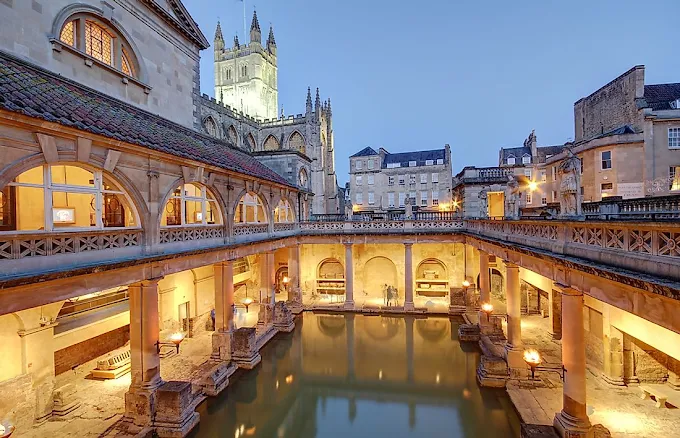
The steam rises—a ghostly veil that clings to the surface of the green water—as you stand on the terrace at 9:15 AM, watching the morning light fracture through the mist above the Great Bath. The air smells of sulphur and wet stone; the silence hums with the dripping of 1.2 million liters of natural thermal water flowing daily from the earth. Constructed around 70 AD by the Roman Empire, the Bath Roman Baths sit 46 meters below the modern street level, preserving a sacred complex dedicated to the goddess Sulis Minerva. You stand beside the lead-lined reservoir, where the water maintains a constant 46°C (115°F), while the Georgian architecture of the city rises above like a crown of honey-colored limestone. Every archway tells a story: legionaries seeking healing, Victorian tourists sipping spa water, and modern pilgrims touching the ancient lead pipes. In 2026, as wellness tourism dominates global travel, visiting the Bath Roman Baths means engaging with the original sanctuary of health. This place matters now because it remains the only natural hot spring in the United Kingdom, challenging visitors to confront the continuity of human ritual while navigating the layers of history beneath the surface.
Why Bath Roman Baths Embodies Ancient Engineering Mastery
The Bath Roman Baths solve the engineering challenge of harnessing natural geothermal energy for public use—a feat achieved through sophisticated hydraulic systems and architectural planning. When the Romans arrived in 43 AD, they identified the three hot springs and constructed a temple complex by 70 AD, utilizing local Bath stone and imported lead for piping. The Great Bath itself measures 22 meters by 9 meters, lined with 45 sheets of lead weighing 8 tons, designed to retain heat while preventing leakage into the surrounding soil. Engineering-wise, the hypocaust system heated adjacent rooms using underfloor channels, while the sacred spring was capped with a stone chamber to maintain water pressure. The site remained in use until the 5th century, then fell into disrepair until the 18th-century revival when the City of Bath Corporation rediscovered the springs. Today, the museum manages the flow of 1.2 million liters daily, filtering the water for display while preserving the ancient masonry from erosion caused by mineral deposits. This unique status ensures the Bath Roman Baths remain not merely a ruin but a functioning hydrological landmark, blending Roman infrastructure with modern conservation in a manner few archaeological sites sustain.
The Best Time to Experience Bath Roman Baths
For optimal lighting and manageable crowds, plan your visit between May 15–June 20 or September 10–October 15, when temperatures range from 15–22°C (59–72°F) and daylight extends until 8:30 PM. Arrive precisely at 9:00 AM when doors open to beat the tour groups that typically converge by 11:00 AM; the morning light illuminates the steam over the Great Bath beautifully without the glare of midday sun. Evening visits during summer offer a romantic atmosphere during special torchlight events, though standard closing is at 6:00 PM. Avoid July 25–August 31 when school holidays bring peak congestion, pushing entry queues beyond 45 minutes despite timed tickets. Winter months (December–February) offer shorter lines but temperatures drop to 2–8°C (36–46°F), and the outdoor terraces become chilly. For special events, verify the calendar at romanbaths.co.uk before booking, as private functions can close sections unexpectedly. Tuesday and Thursday mornings typically see the lowest visitor volume, allowing for quieter contemplation near the Sacred Spring.
Approximate Budget for a 7-Day Trip (2026)
Bath remains a premium destination, but staying in the city center provides immediate access to the Roman Baths without excessive transport costs. These 2026 estimates assume a moderate travel style, accounting for approximately 3-4% annual inflation in UK hospitality and attraction pricing.
- Accommodation: £140–£300 per night for a double room in Bath City Centre, Widcombe, or Lansdown; budget hostels from £50/night in nearby Twerton
- Food: £55–90 per day—breakfast £10–15 (café pastry or full English), lunch £15–25 (pub meal or Sally Lunn's bun), dinner £30–50 (mid-range restaurant with wine); traditional cream tea £20
- Transportation: £15.00 daily average for local buses; Train from London Paddington to Bath £65 return; Taxi from station £15 minimum
- Attractions: Roman Baths £33.00 adult, Thermae Bath Spa £45.00, Bath Abbey £20.00 (tower tour), Holburne Museum free, Royal Crescent free
- Miscellaneous: Souvenir guidebook £15, bath salts £10, rain jacket (essential) £35, travel insurance £50 for week
Total for 7 days: £1,500–2,100 per person (excluding international flights)
7 Essential Bath Roman Baths Experiences
- Great Bath Terrace View: Stand on the upper terrace to overlook the steaming green water. Open 9:00 AM–6:00 PM; the view is iconic. The sulphur scent is strongest here; breathe deeply to connect with the ancient atmosphere while photographing the colonnade.
- Sacred Spring Exploration: Visit the source of the thermal water in the Temple Courtyard. Located at the far end of the complex; open during site hours. The water flows at 46°C; look for the thousands of coins thrown into the reservoir by visitors seeking luck.
- Temple Pediment Viewing: Examine the reconstructed gable end of the Roman Temple. Located in the East Wing; the carving of Sulis Minerva's head is detailed. The stonework shows evidence of weathering from 2,000 years of exposure to the elements.
- Roman Kitchen Tour: Step into the ancient food preparation area. Located near the Great Bath; open during standard hours. Look for the lead tanks and bronze cookware displayed in the glass cases, illustrating how pilgrims were fed during their stay.
- Pump Room Tasting: Drink the spa water in the adjacent Georgian hall. Open 9:00 AM–5:00 PM; the taste is metallic and warm. Sit beneath the chandeliers while musicians play classical pieces, mirroring the 18th-century spa experience.
- Audio Guide Listening: Use the provided device to hear historical narratives. Available in 12 languages; press number 5 at the Great Bath for the engineering explanation. The voices of Roman characters bring the ruins to life as you walk the perimeter.
- Abbey Churchyard View: Step outside to photograph the Baths from the street level. Best light occurs at 8:00 AM or 7:00 PM; the contrast between the ancient stones and the Gothic Abbey facade is striking. Use the railings to frame the shot without obstructing pedestrians.
3 Hidden Gems Most Travelers Miss
- The East Baths: This section contains the remains of the hot and cold plunge pools. Access via the corridor near the Temple; open during site hours. Most tourists linger at the Great Bath, missing the intricate hypocaust pillars that supported the heated floors.
- Curse Tablet Display: Located in the museum section, these lead sheets contain prayers for justice. Access via the inner gallery; open 9:00 AM–5:00 PM. The translations reveal personal grievances from 2,000 years ago, offering a intimate glimpse into Roman daily life and superstition.
- View from Abbey Churchyard: Stand in the public square behind the Pump Room for a unique angle. Access is free 24 hours; look down into the glass coverings that reveal the ancient foundations beneath the modern pavement. This perspective shows how the city was built directly on top of the Roman complex.
Cultural & Practical Tips
- Swimming policy: Swimming is prohibited in the Roman Baths for health reasons; visit the Thermae Bath Spa nearby for a soak. The historic water is untreated; respect the signage indicating no entry into the Great Bath.
- Photography rules: Photography is permitted in most areas for personal use without flash. Tripods require permission; respect signs indicating no photography inside the museum galleries to protect light-sensitive artifacts.
- Footwear: The stone pathways can be uneven and slippery; wear sturdy shoes with good grip. Avoid high heels on the terrace edges where the stone is worn smooth by centuries of footsteps.
- Local phrases: Learn "Mind the gap" (watch the step), "Cheers" (thanks), and "Queue here" (wait in line); locals appreciate visitors who respect pedestrian flow on the narrow city streets.
- Weather preparedness: Bath is exposed to rain; carry a compact umbrella (£10 from Boots pharmacy) and waterproof layers. Stone surfaces become slippery when wet—wear shoes with good grip.
- Accessibility: The site offers step-free access via lifts and ramps; wheelchair users receive priority entry—contact visitorservices@romanbaths.co.uk 48 hours ahead to arrange assistance. Some ancient paths are uneven.
- Respectful behavior: Keep voices lowered in the museum areas; this is a historic sanctuary. Do not touch the ancient stonework or throw coins into unauthorized areas; preservation is critical for future generations.
Conclusion: Travel with Reverence, Not Just Checklists
The Bath Roman Baths demand more than a snapshot beside the green water—it invites you to contemplate the weight of history resting on those ancient lead pipes. When you walk the terraces in 2026, tracing the same stones worn by Roman pilgrims for centuries, you're not just ticking a sightseeing box; you're witnessing the delicate balance between archaeological preservation and public access. As overtourism pressures historic landmarks, visiting mindfully means respecting the sacred nature of this institution, understanding that behind the ticket barriers, the springs continue to flow as they did millennia ago. Walk slowly across the stone flags, noticing how the light changes on the steam; listen to the dripping water not as background noise but as the heartbeat of the earth. Leave only footprints on the terrace, take only memories of ancient engineering, and carry forward the understanding that places like this endure because each generation chooses to protect them—not as attractions, but as living testaments to health, history, and the enduring human search for healing.