
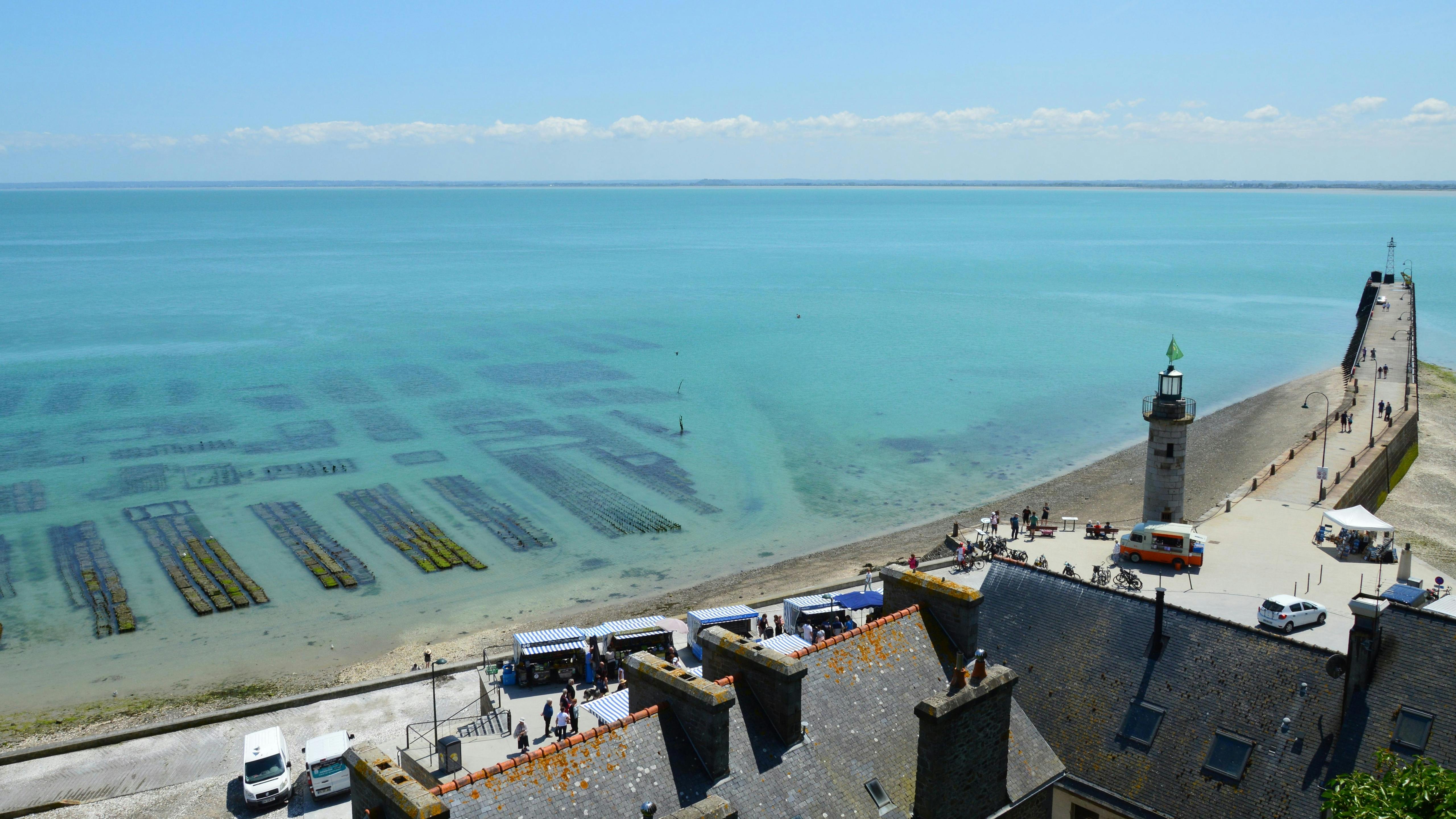
Cancale Oyster Beds Tidal Rhythms Meet Atlantic Terroir
The rhythm here is not dictated by clocks but by water. As dawn breaks over the Mont-Saint-Michel Bay, the bay breathes—a slow exhalation as the tide recedes, revealing vast mudflats where oyster farmers in flat-bottomed plateaux boats navigate channels invisible to outsiders. The air carries the briny perfume of exposed seabed mingling with woodsmoke from the village’s boulangerie ovens. On stilts above the shallows, the iconic cabanes tchanquées stand sentinel—weathered wooden huts where generations have sorted oysters by hand, their silhouettes reflected in water that shifts from pewter to turquoise with the sun's ascent. This is not a curated postcard but a working ecosystem where maritime tradition shapes daily life. In 2026, Cancale oyster beds remain Europe's most authentically tidal landscape—not frozen in nostalgia, but pulsing with the ancient dialogue between land and sea.
Why Cancale Oyster Beds Embodies Authentic Maritime Culture
Cancale oyster beds represent more than scenic beauty—they embody France's most sophisticated adaptation to tidal ecology. Formed by glacial retreat 10,000 years ago, this 1,500-hectare bay functions as a natural oyster nursery where Atlantic currents mix with freshwater inputs from the Couesnon River to create ideal conditions for Crassostrea gigas. Unlike commercialized coastal resorts, Cancale maintains working authenticity: 300 professional oyster farmers (conchyliculteurs) still cultivate 25,000 tons annually using techniques unchanged since the 1850s, their parcs à huîtres (oyster beds) arranged in precise grids visible only at low tide. The bay's unique geography creates exceptional terroir—the powerful tides of Mont-Saint-Michel Bay (Europe's highest at 14 meters) constantly flush the beds with nutrient-rich waters, while the granite seabed imparts a distinctive mineral complexity to the oysters. Crucially, this balance remains protected: 50% of the bay falls within Natura 2000 conservation zones, and oyster farmers actively monitor water quality through the Syndicat des Producteurs d'Huîtres de Cancale. This symbiosis of commerce and conservation creates rare depth—where every tide reveals not just mudflats, but centuries of human adaptation.
The Best Time to Experience Cancale Oyster Beds
For optimal conditions—vibrant tidal activity, comfortable temperatures, and authentic local rhythm—visit between May 15 and June 10 or September 18–October 5. Daytime temperatures average 17–23°C (63–73°F), creating ideal conditions for exploring tidal flats without summer's intensity. Crucially, time your visit with spring tides (check SHOM tide tables)—arrive 2 hours before low tide to witness the bay's dramatic transformation as channels emerge and oyster farmers begin their work. Mornings between 7:30–9:00 AM offer the most magical light: low-angle sun transforms mudflats to burnished copper while illuminating the cabanes tchanquées without harsh glare—a critical window before day-trippers arrive from Saint-Malo. September provides a second excellent opportunity: departing crowds, stable weather, and autumn light that intensifies the coastal heath's emerald tones while oyster harvest begins. Avoid July 20–August 20 when temperatures exceed 26°C (79°F), beaches become congested, and many oyster producers suspend operations during traditional August vacations. Note that winter months (November–February) offer stark beauty and complete solitude for birdwatching, though many waterfront establishments reduce hours.
Approximate Budget for a 7-Day Trip (2026)
Based on 2025 benchmarks adjusted for 4% inflation (per INSEE and Bretagne Tourism Board projections), a realistic mid-range budget for a Cancale-focused itinerary requires €1,350–€1,850 per person excluding international flights. Accommodation ranges from €90–€135 per night for family-run guesthouses in the village center or boutique hotels near Pointe du Grouin—essential for experiencing bay atmosphere after day-trippers depart. Daily food costs average €80–€95: breakfast at lodging, lunch of freshly shucked oysters at a cabane (€20–€26/dozen), dinner featuring grilled sea bass with local white wine (€40–€50). Transportation necessitates car rental for exploring the Emerald Coast, though regional buses connect to Saint-Malo.
- Accommodation: €90–€135 per night for a family-run guesthouse in Cancale village or boutique hotel near Pointe du Grouin—essential for experiencing bay atmosphere after day-trippers depart.
- Food: €80–€95 per day—breakfast at lodging, lunch of freshly shucked oysters at a cabane (€22–€28/dozen), dinner featuring grilled turbot with Muscadet wine (€42–€52).
- Transportation: €35 for a 7-day regional bus pass. Car rental essential: €48/day plus €75 weekly fuel. Ferry from Dinard to Saint-Malo: €5, then bus to Cancale: €3.
- Attractions: Oyster farm visit/tasting: €18. Pointe du Grouin hike: free. Mont-Saint-Michel day trip: €24 (bus). Guided tidal flat walk: €22. Allocate €100 total.
- Miscellaneous: €55 for vacuum-sealed oysters for travel, pine honey from local producers, or contributions to the Bay Conservancy.
Total Estimated Cost: €1,350–€1,850 for seven days, excluding international flights.
5 Essential Cancale Oyster Beds Experiences
- Tidal Flat Exploration: Join an oyster farmer's guided walk across exposed mudflats at low tide—learn to identify claires (cultivation zones) and taste oysters shucked minutes after harvest (book via syndicat-huitres-cancale.fr).
- Oyster Cabane Tasting: Visit a working cabane tchanquée like Chez Hortense (accessible by foot from the port)—sample oysters with shallot vinegar and local white wine while watching farmers sort harvests.
- Pointe du Grouin Coastal Path: Hike this dramatic headland at dawn for panoramic views of the bay's oyster beds and Mont-Saint-Michel in the distance—best experienced at 7:00 AM when mist rises from tidal flats.
- Port de la Houle: Wander Cancale's historic fishing port at 8:00 AM when boats return with night harvests—watch the ritual of unloading claires at this authentic port rarely visited by tourists.
- Oyster Museum Immersion: Tour the Maison de l’Huître at 10:00 AM to understand the science behind Cancale's unique terroir—observe how tides and granite seabed create the oysters' distinctive mineral complexity.
3 Hidden Gems Most Travelers Miss
- Le Vivier Oyster Port at Dawn: Arrive at 6:30 AM when farmers return with night harvests—watch the ritual of unloading claires at this authentic port accessible via coastal path west of the main harbor (follow blue markers near kilometer post 2).
- Chemin des Douaniers Secret Path: Behind Plage de la Fosse, follow an unmarked coastal trail (look for weathered blue post near dune access) to a secluded cove where pine forest meets tidal creek—locals call it "la crique des pêcheurs."
- Atelier de la Marée: A tide-pooling workshop hidden in a boathouse at 12 Quai de l'Aiguillon—naturalist Élodie Dubois leads small groups identifying marine life in tidal zones (open Tuesday/Thursday mornings by appointment: +33 2 99 89 88 14).
Cultural & Practical Tips
- Tide Table Essential: Never venture onto mudflats without consulting official SHOM tide tables—rising tides move faster than walking speed and have trapped unwary visitors. Download the free "Maree Info" app before arrival.
- Oyster Etiquette: When tasting at cabanes, never add lemon before sampling the oyster's natural brine. Hold the shell with the hinge toward you—a sign of respect for the farmer's craft.
- Learn Key Phrases: "Demat" (hello in Breton), "Trugarez," and "Une douzaine de fines de claires, mar plij" (a dozen premium oysters, please) show respect in this proudly maritime community.
- Transport Strategy: Rent bicycles (€15/day) for bay exploration—narrow lanes between oyster ports become impassable by car during harvest season. The "Vélodyssée" coastal path connects key sites car-free.
- Environmental Responsibility: Never remove shells or marine life from tidal zones—these ecosystems are protected under Natura 2000. Carry reusable containers for purchased oysters to avoid single-use plastics.
Conclusion: Travel with Tidal Consciousness, Not Just a Camera
Cancale oyster beds endures not as attraction to be consumed, but as living lesson in reciprocity—where humans thrive by adapting to nature's rhythms rather than dominating them. As a conscious traveler, your presence should honor this balance: support oyster farmers practicing regenerative cultivation (look for "Huîtres de Cancale" AOP certification), time your explorations with tidal cycles rather than convenience, and understand that every oyster tasted represents generations of stewardship. Sit quietly on the Pointe du Grouin promenade at dusk and watch the bay transform with the rising tide—the same rhythm that guided 19th-century bathers and modern mariners alike. By approaching Cancale not as backdrop for leisure, but as teacher of temporal wisdom, you help ensure these waters continue to shelter not just seafood, but sustainability—for those who recognize that true luxury resides not in consumption, but in consonance with forces greater than ourselves.